
A guide to gardening on city land in Dartmouth
There are more places to plant in a city than you might expect
This is the fourth and final story in a series about community gardening in Dartmouth. (Part I, Part II, and Part III)
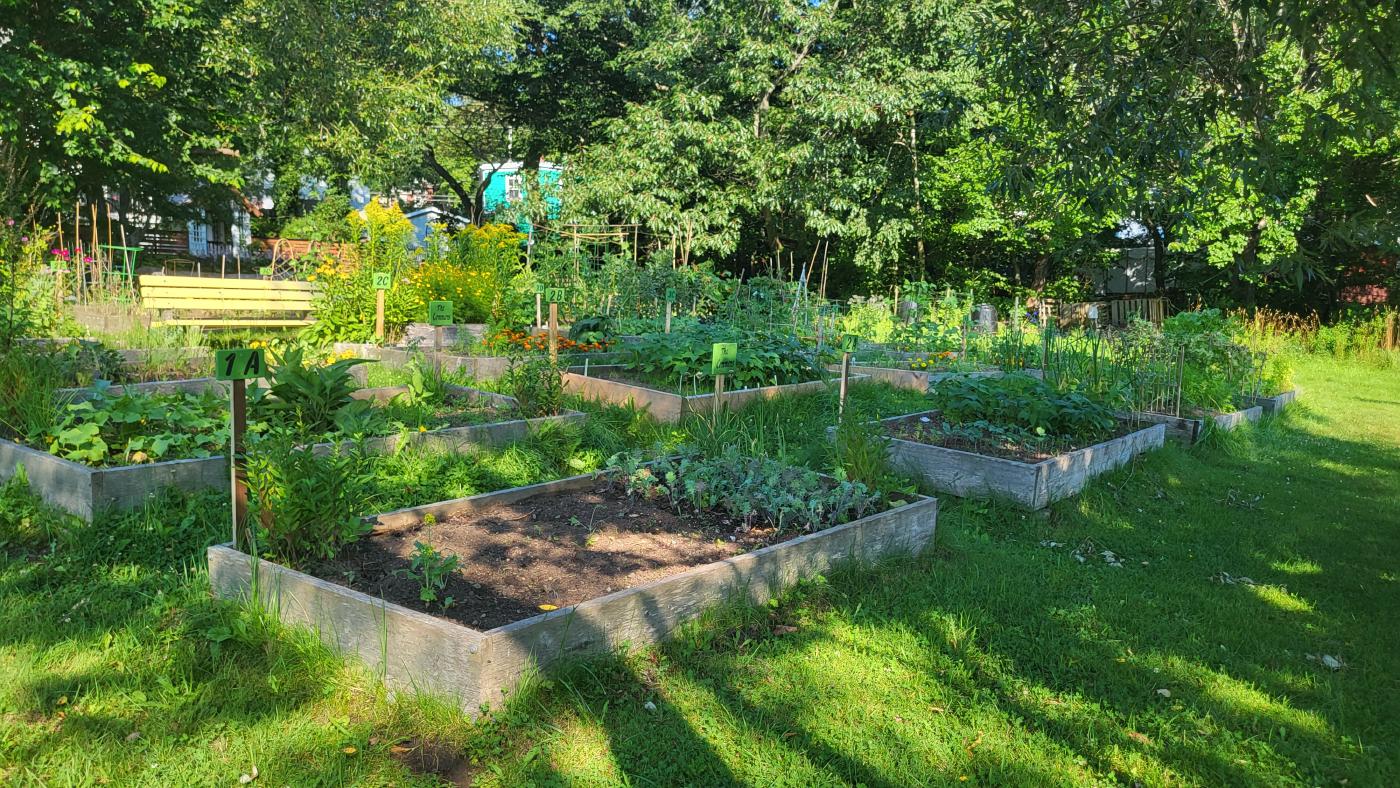
South Dartmouth has a mix of community gardens on private and public land. So far in our gardening series, the Post has covered community gardens on private lots. However, there are opportunities to work with the city to create gardens on park land.
More Vail is an Urban Agriculture Specialist with the city, and they are part of HRM’s expanding efforts to support community groups gardening in the city.
“We do want to be encouraging urban agriculture generally across the municipality and in the park spaces," they told the Post. “It’s just a matter of, … can we get community buy-in?”
The community garden program with the city was established in 2009. In 2023, the city started to adopt the JustFOOD Action Plan, which involves supporting more food production on city land. Vail’s position was created in 2025 to support the community garden part of this initiative.
To have a community garden on city park land, a community group has to come together to form an agreement with the city. Part of Vail’s role is to support interested gardeners with the application process with the city.
The application considers what other activities already exist in that area and how a garden might add to or prevent those activities. Community engagement is another key component. The group applying for the garden has to speak with others in the neighbourhood and inform them about their plan.
The group is also required to register as a non-profit or be associated with an existing non-profit.
“That can be a bit of a process, and I help people out with that,” said Vail. “And so do other folks at the city.”
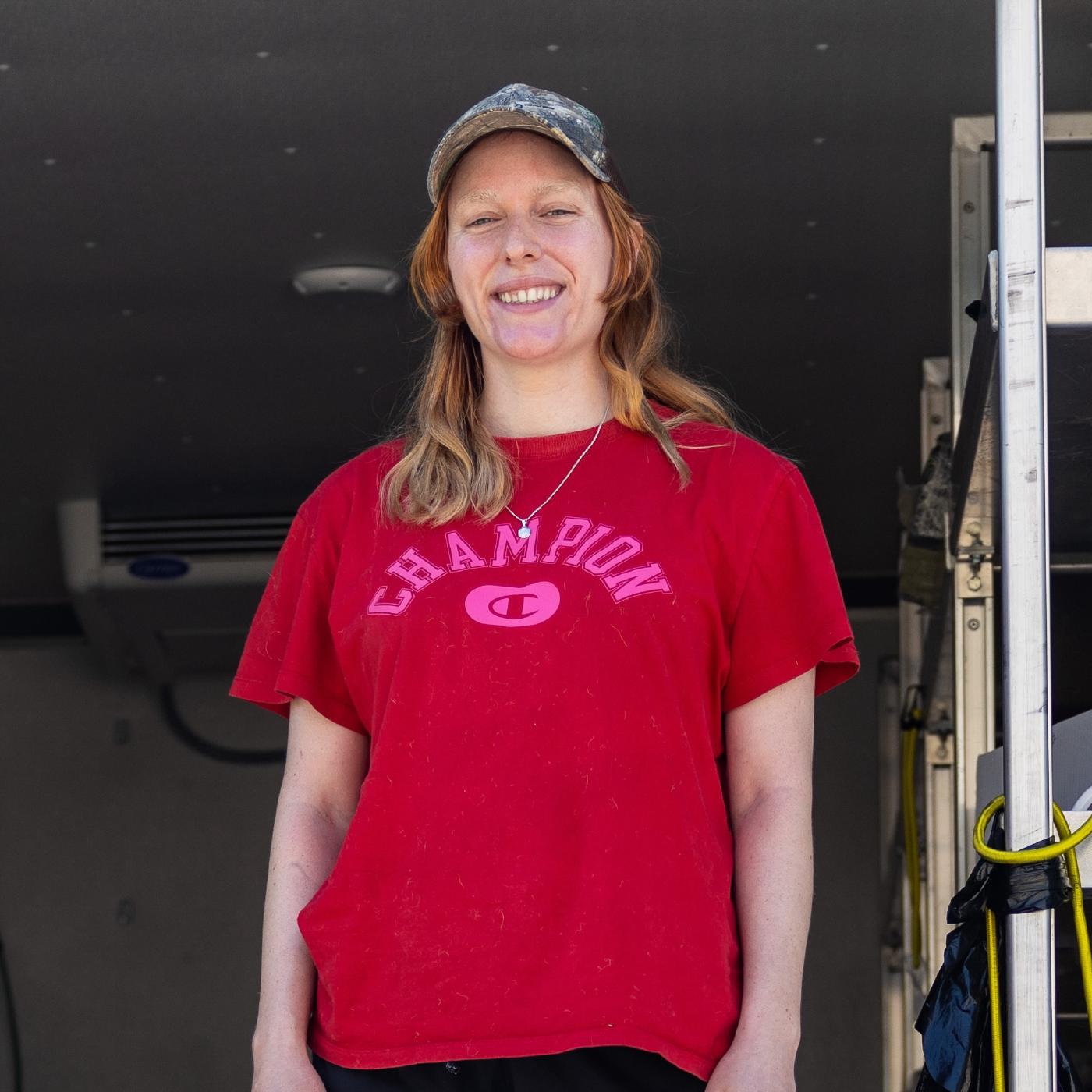
The city can provide non-profit and board training to support community engagement for the gardens, as well as other administrative supports. Vail can help to connect gardeners with these and other supports offered by the city.
“I think the biggest barrier to getting started on park land is probably forming a group and registering as a nonprofit,” said Vail.
All community gardens with the city also have a public bed for community use. Vail typically suggests planting perennial herbs or fruits for the public plot — plants that don’t require a lot of attention but that are delicious.
Garden dissolution & supports
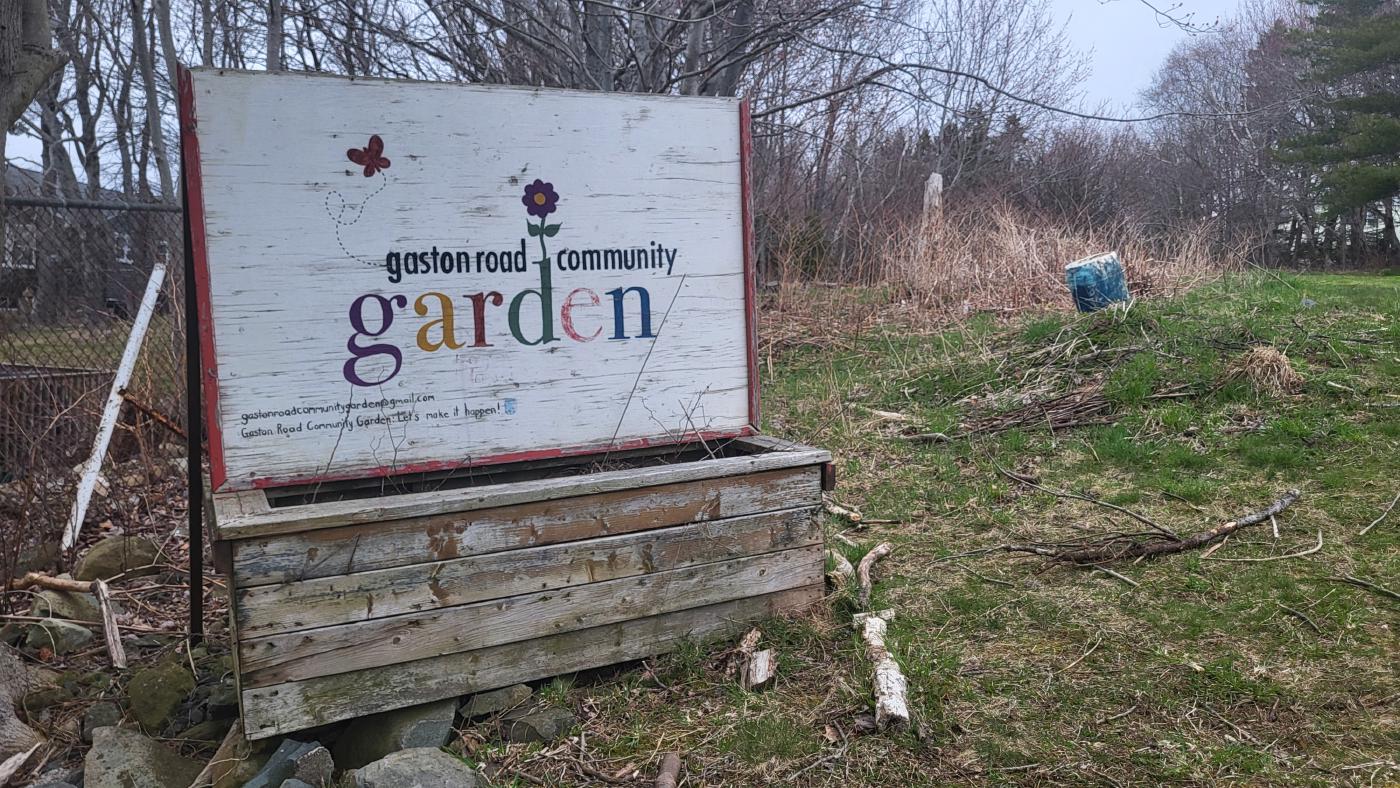
Our area used to have a community garden on park land. It was established at Gaston Road Park until a few years ago. Vail said gardens typically end when a group is no longer able to support garden upkeep and admin.
“There are garden groups that do dissolve, and when they dissolve it usually is a slow kind of disappearance of members and, like, lack of resources, lack of investment, lack of investment from the group,” said Vail.
In these cases, Vail said they can sometimes find another group of people to take over the stewardship of an existing garden. Otherwise, the community group is responsible for removing the garden infrastructure and restoring the park land to its original state.
For the Gaston Road community garden, no one stepped up to sign their renewal agreement with the city. No other group was found to take over ownership of the garden, so the infrastructure was later removed from the park.
With the adoption of the JustFOOD action plan, there are more supports available for community gardens on park land. Before Vail’s role was created, community gardens were supported by community developers. Now, there is a person dedicated to helping the gardens function.
In addition to Vail, there are other new staff in the city and partner organizations that are working on food issues in the city. There are many ways that they are supporting and want to build support for community gardens and urban agriculture in the city.
One example is the JustFOOD Community Garden Grants Program, a pilot program dedicating $500 to $5000 per garden to support operations. Over the last two years, they have partnered with Feed Nova Scotia to distribute roughly $80,000 to community gardens in the city.
Funding for gardens can help them stay active and functional in the long term.
“The garden beds need to be replaced every so often. The wood starts to rot. The soil starts to kind of be depleted. You need to buy compost. It is not inexpensive,” Vail said.
Vail said there are other initiatives for support in early stages. They are hoping to offer free compost to community gardens, free installation of fruit and nut trees, and free woodchips. They are also working on more ways to support gardens and address water access issues.
“With the summers that we’ve been having, the droughts, the rain barrels just aren’t collecting enough water, and it’s a real crisis for the gardens,” they said.
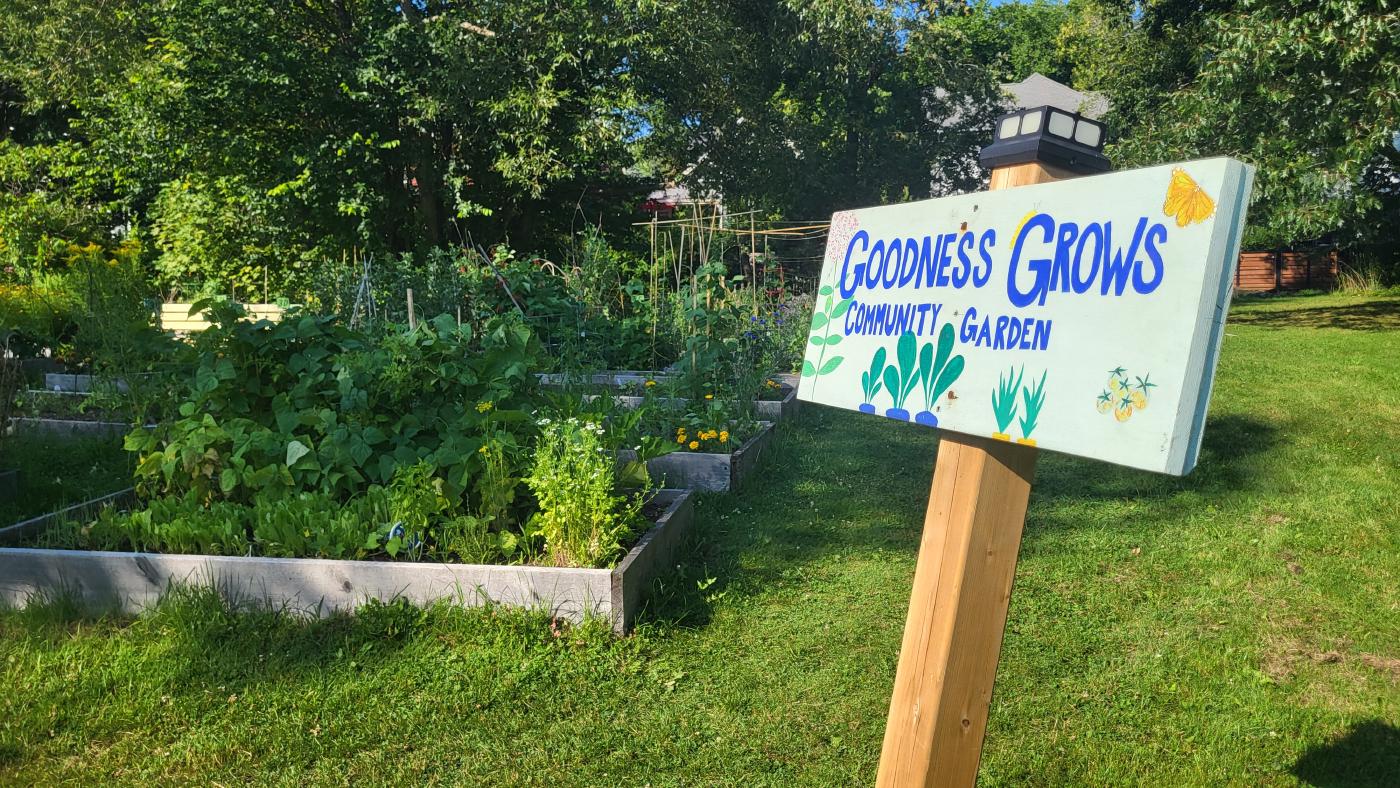
They also plan to create welcoming signage that can be used at all the gardens. They said they want the signs to create more awareness about what community gardens are and how to get involved with gardens in your neighbourhood.
Vail also runs a community garden network. A few times a year, Vail meets with garden coordinators to talk about priorities, how their gardens are going, and how they can support each other. Vail said they want to develop a platform for community gardens to share resources, from administrative templates to the best places to source manure.
Finally, Vail hopes to support gardens in protecting their plants from the urban deer population. They are hoping to create a method that maintains a welcoming atmosphere of the spaces. They are exploring non-traditional fencing options in partnership with Saint Mary’s University and Common Roots Urban Farm.
“The goal would be to create an open-source solution so that gardens could adopt it,” said Vail. “An installation guide, a materials guide, a cost estimate, that kind of thing.”
Finding places beyond park land
Vail said there are a surprising number of places to grow plants in urban spaces. There are, of course, park spaces throughout the city, but Vail said there are more parks than people may expect.
“Even these little green strips that sometimes we don’t recognize as a park, are actually park space or city land,” they said.
For people looking for a new place to garden, Vail suggested checking out the municipal parks map to find nearby park space or contacting the city to ask about nearby options.
Vail also suggested considering partnerships with organizations that have green space. Non-profits, community centres, recreation centres, or schools could be willing to provide space for a garden during the summer months.
“There’s often existing infrastructure at schools that I encourage people to explore and connect in with,” said Vail.
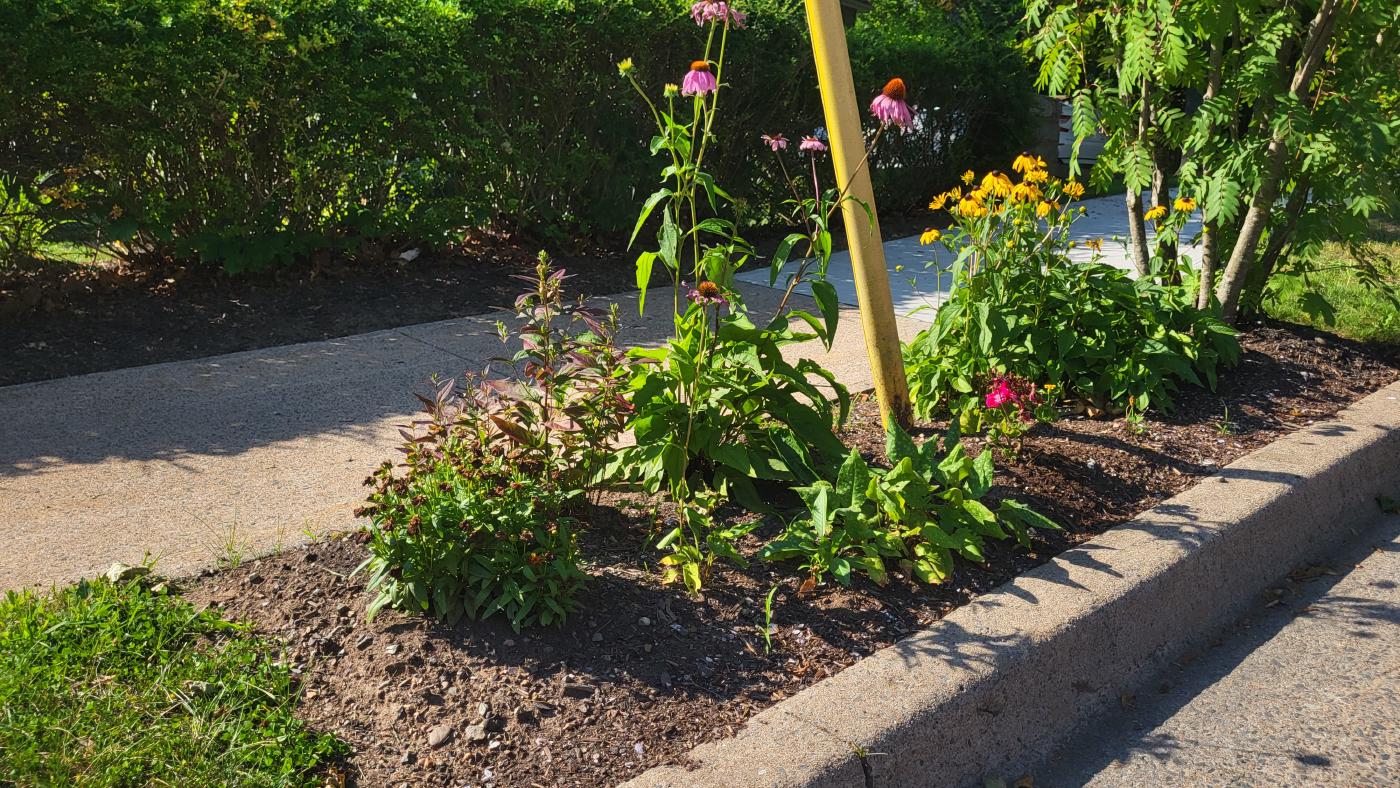
Another option for growing closer to the home is boulevard planting. The city has an order to respect boulevard gardens near municipally maintained streets. This allows residents to plant on land that abuts their property, such as the space between their front lot line and the curb of the street.
There are some restrictions to boulevard gardens that are outlined in the order, like not planting too close to city infrastructure (fire hydrants, utility poles, and municipal trees). Certain plants, like trees, woody plants, or invasive species, are also not allowed.
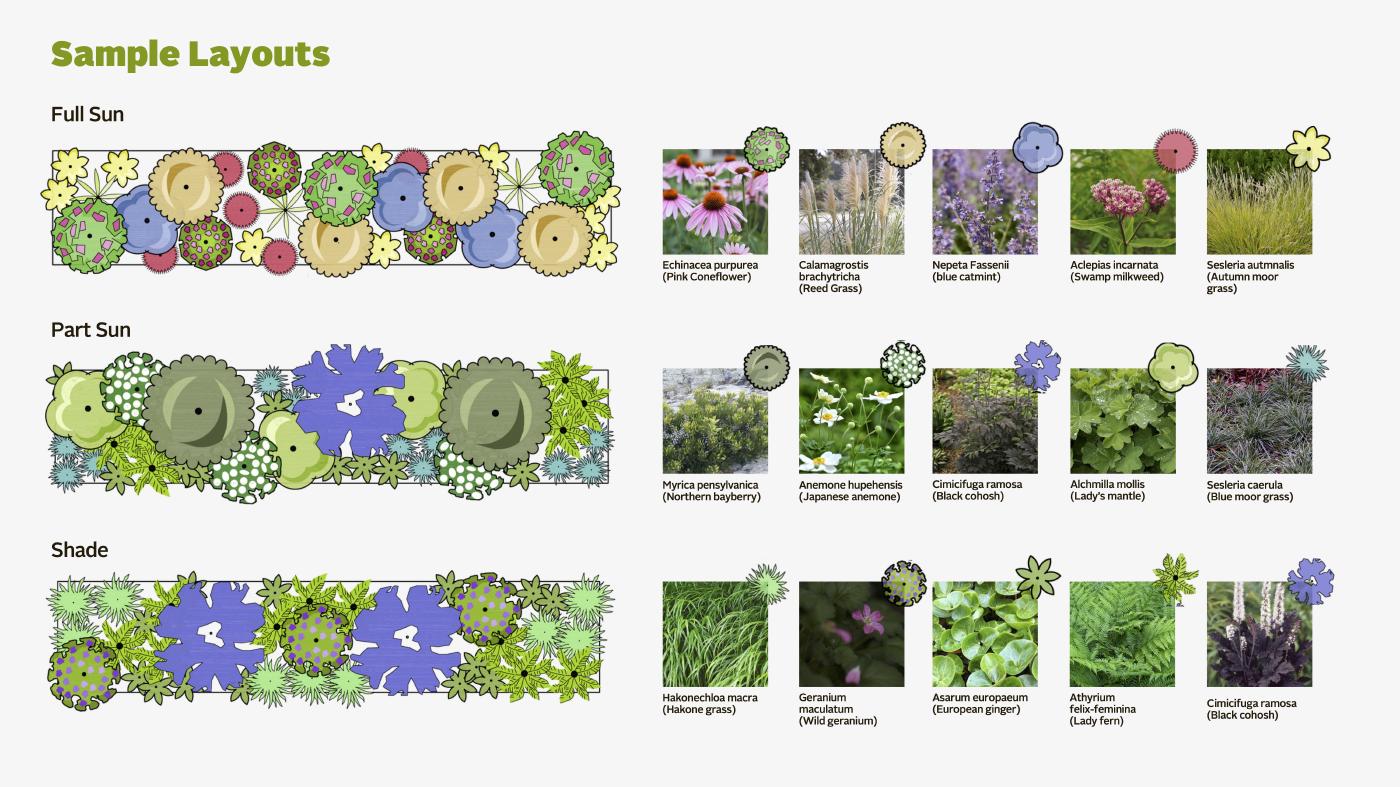
According to a city pamphlet about boulevard gardens, these gardens are a great way to improve physical and psychological wellbeing, among other benefits.
Vail said that community gardening has risen in popularity in the city over the last 15 years as people become more interested in local food production. With the creation of their role and other garden supports, there is growing assistance for gardeners, as well.
“There’s so much happening,” Vail said. “There’s a lot that we have to celebrate.”