
Tariff uncertainty brewing offshore for Dartmouth coffee entrepreneur
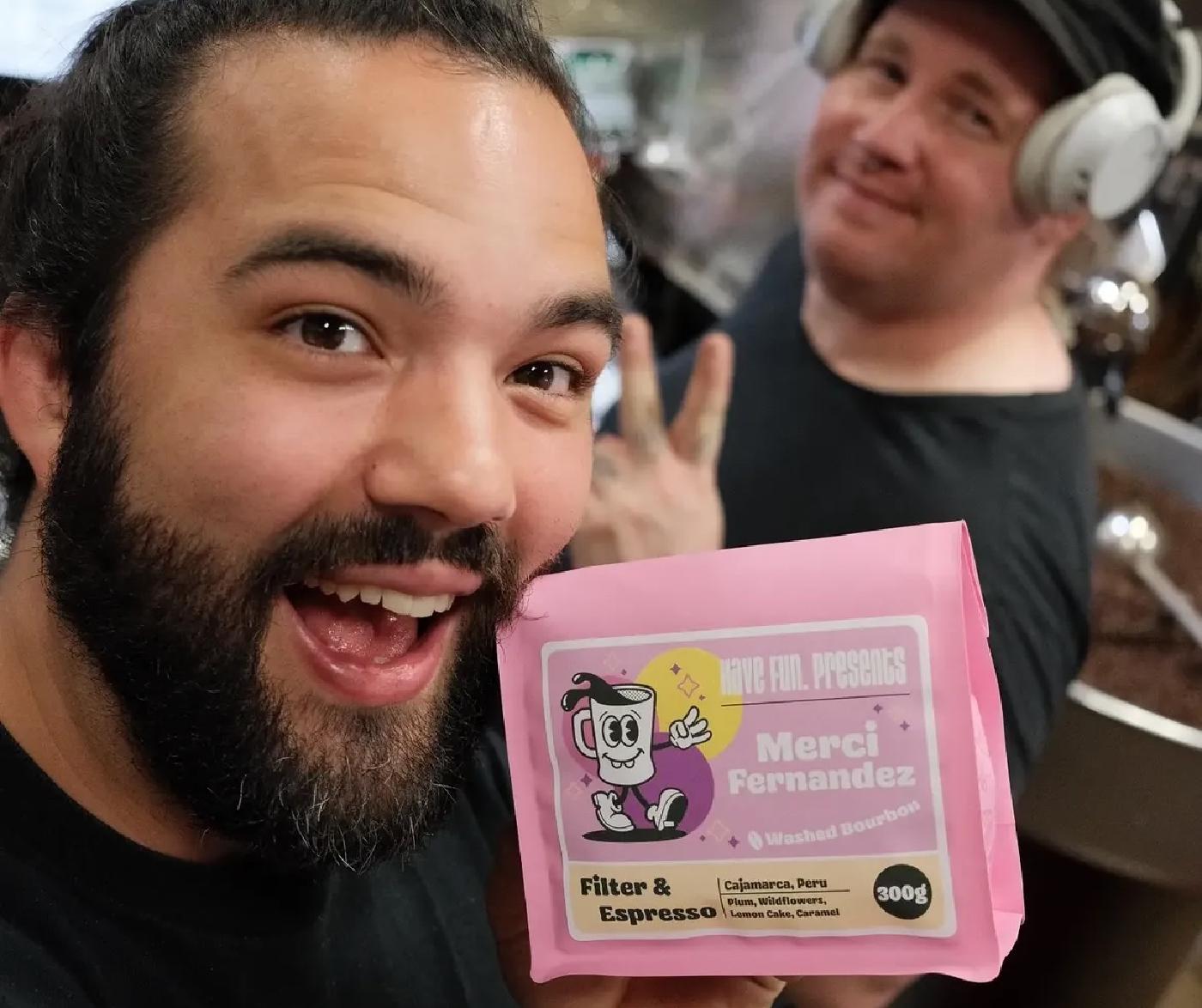
Federal ministers announced Canada’s counter-tariffs on products amounting to $27.6 billion against the United States in Ottawa Tuesday. In Nova Scotia, Sonny Adamski is still waiting to see what all of it means for his businesses.
“What really affects us is not knowing what can happen,” says Adamski, the owner of Have Fun Coffee and Café Good Luck in Dartmouth and the Dairy Bar in Halifax.
“We have coffee in the States again right now, and we’re not sure what’s going to happen, because we’ll have to bring it across the border and it seems to be genuinely up in the air what gets tariffed. It changes. One day it’s on, then it’s off.”
The coffee business follows growing and harvesting cycles, says Adamski. During the first round of tariffs, he ordered coffee from Ethiopia eight months in advance that had a tariff added after the contract was signed.
“My importer had to pay 10 per cent on his entire container of coffee, that’s 250-plus bags, hundreds of thousands of dollars, otherwise he’d lose money,” Adamski says, “And then he had to turn around and charge us that 10 per cent to recoup his cost.”
The United States doesn’t produce much coffee of its own, but most of what Sonny buys, from Africa to South America, gets stored in American warehouses on its way to Canada, he says. In response, Adamski has been trying to redirect his orders to avoid the U.S. and replace partners who aren’t able to transport coffee direct to Canada.
“Some were able to move it directly to Canada but it went all the way to the west coast to the seaport,” Adamski says. “It actually ends up being more expensive to move here than it would have been from Continental, like in New Jersey.”
Adamski says they are trying to switch most of their importing to come in through Montreal while navigating a challenging market.
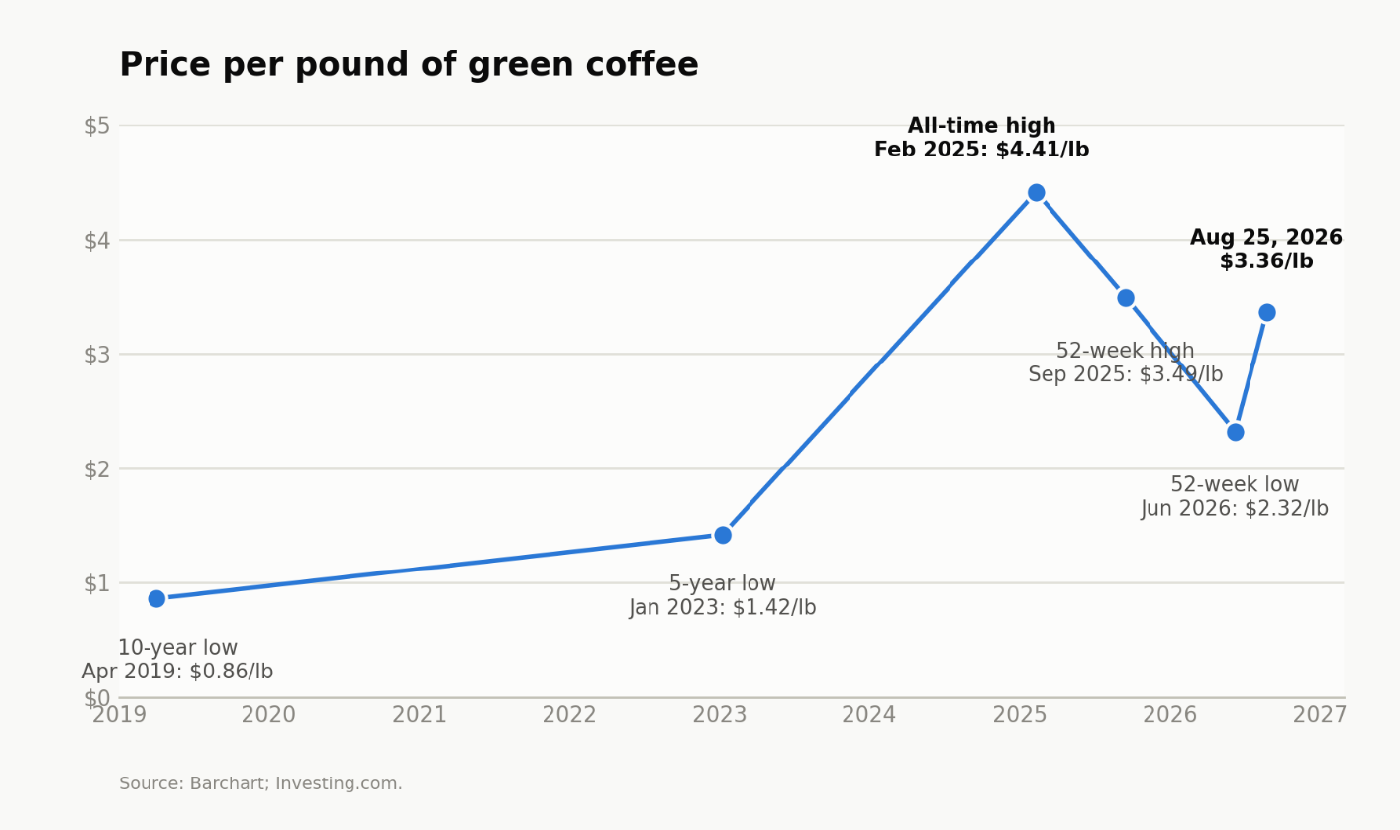
“The prices have already skyrocketed,” he says. “Go look at the five-year chart. From 2023 to now. Even though there are moments it dips, that doesn’t mean coffee is actively being bought at those low points.”
Coffee prices reach their highest point during times tied to harvest and the highs are influenced by speculative buying, so it can fluctuate a lot in a month, but Adamski says the overall trend is clear.
“In 2023, the low was around $1.50 in September and the high was around $1.91,” he says. “Our average buying price in 2026 has been around $3.50. It’s roughly doubled, or more."
Coffee blurs the line between staple and luxury good. The Joads counted it among their meager provisions in The Grapes of Wrath, but higher prices are making it less accessible.
Have Fun is a specialty coffee brand, but it impacts people who rely on coffee the most.
“We try to buy coffee in a way that’s equitable for producers,” Adamski says. “We work with buyers who are very transparent about pricing, because it’s actually really common in the coffee trade to have zero transparency."
Adamski bucks the trend by publishing the price of his coffee at every stage of purchase, from farm to cup.
Since Tuesday’s announcement, escalatory rhetoric has continued between the United States and Canada. The full measure of the impact of new tariffs on small businesses and their communities remains to be seen.
“Families stop buying coffee because the tub of Folgers that used to cost $8 is now $16,” says Adamski. “My partner Marley works at The North Grove. We partner with them to give people more affordable coffee.” The North Grove Community Food Centre is a Dartmouth non-profit that helps people access subsidized food programming and family planning.
“She’s noticed people specifically asking for it because it’s the only affordable coffee available, even though it’s a luxury,” says Adamski. “We don’t need it to survive, but it’s a cultural and emotionally relevant product for a lot of people."