
Field Day puts local amateur radio operators’ emergency readiness to the test
The annual event highlights how local volunteers use radio technology to support preparedness, connection, and community response.
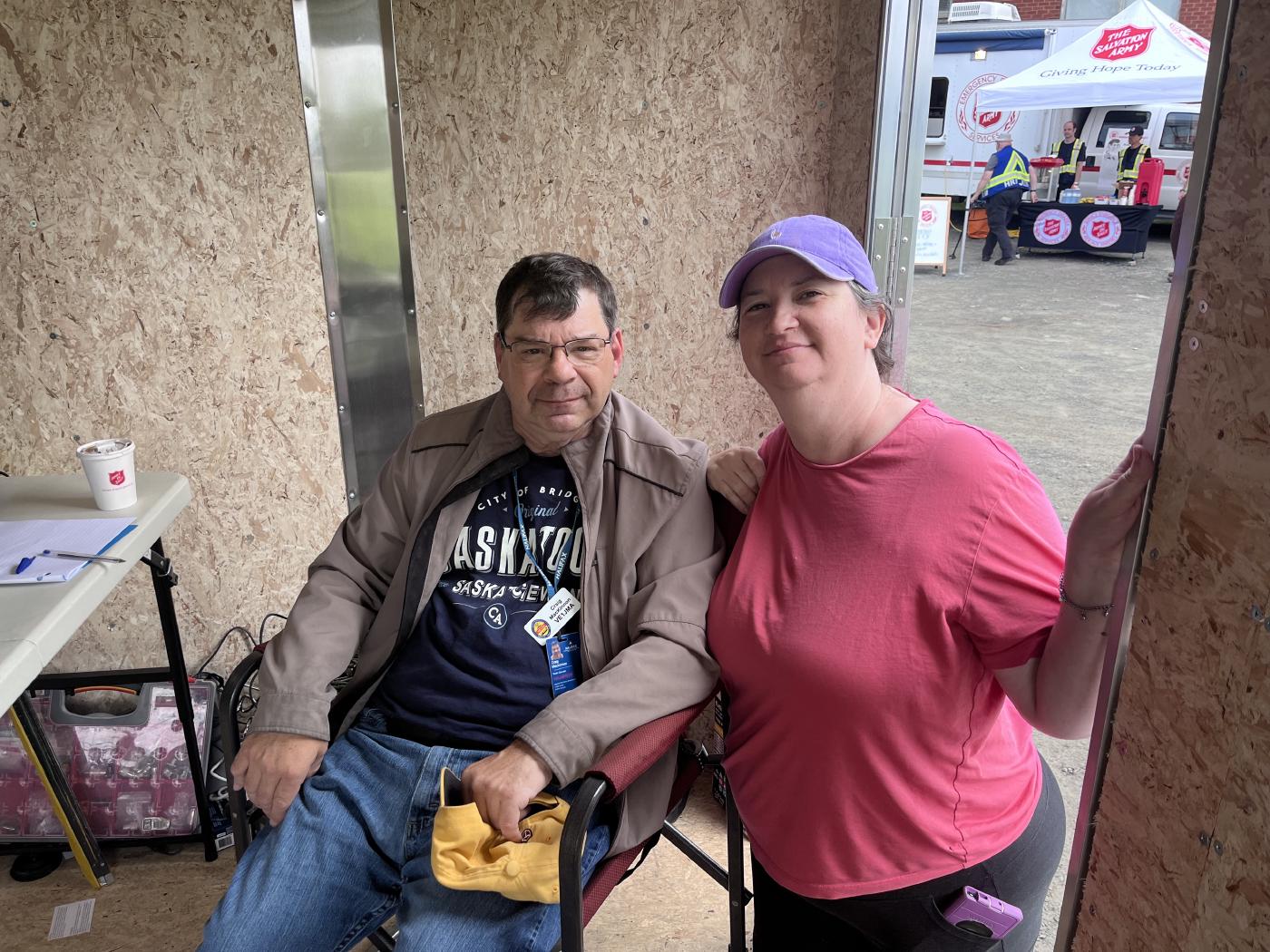
Last weekend, members of two local amateur radio clubs gathered at Dartmouth High School for the 2026 Field Day. The annual event — which brings together the Dartmouth Amateur Radio Club and the Halifax Amateur Radio Club and is held in collaboration with the Salvation Army — tests how operators can communicate when traditional systems fail.
“Field Day is loosely based on an emergency situation. So it gets people out of their homes and, as the name suggests, in the field,” Craig MacKinnon, Field Day co-chair, told the Post.
The event requires operators to try and make as many contacts as they can in a span of 24 hours. They operate on backup power to simulate the conditions of an emergency situation.
While Field Day has a competitive side, member Amanda Schreiber said the main goal is preparing for times where regular communications methods may not work.
“We’re here to communicate and pass those messages when cell phone towers are down, and when the power’s down,” Schreiber said, explaining how the radio gear relies on generators instead of the internet.
“For us, there is the field day part, which is the radio,” said Schreiber. “And then, of course, we work with the Salvation Army and St. John Ambulance for the emergency setup.”
The aim is not only to demonstrate the technology, but also to help people feel more prepared.
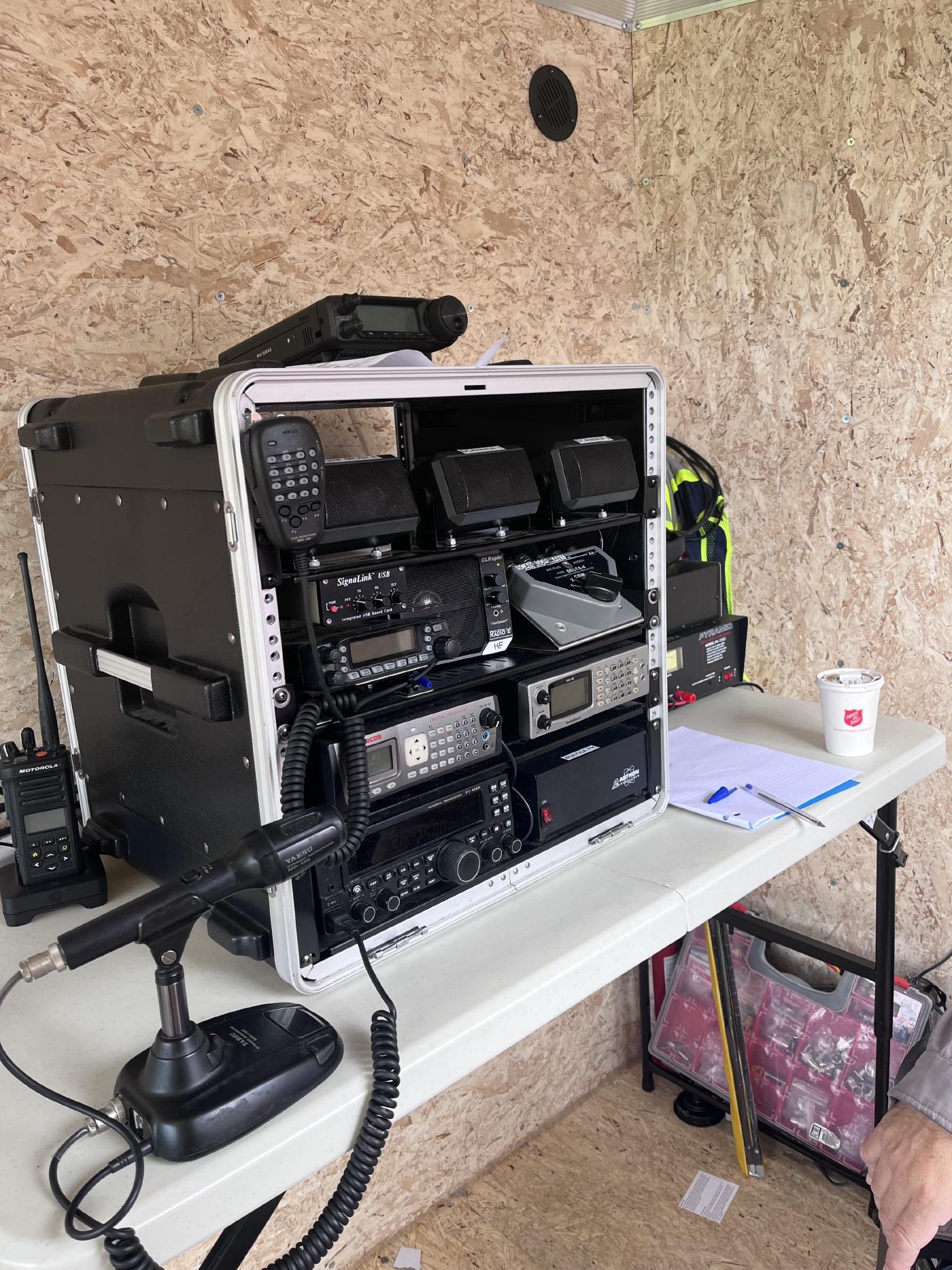
“We want them to know what to expect,” she said. “If they see this and see how well we work together, and how relaxed it all is, it makes them a little bit better, and then they don’t panic when an emergency happens.”
Beyond the emergency-preparedness demonstration, the event gives visitors the chance to see amateur radio in action.
“I think a lot of people outside the hobby honestly don’t know what amateur radio is or the capabilities that we have,” MacKinnon said.
Those capabilities go far beyond short-distance communication. Operators can connect with people around the world, using different communication methods, and even reach the International Space Station.
For many operators, this sense of connection is what makes the hobby so rewarding.
“This hobby brings together people from all walks of life,” MacKinnon said. “It’s an international hobby. When I turn on the radio, I have no idea who I’m going to talk to, and that’s kind of the fun of it.”
For Schreiber the best part of the weekend was simple. “I think for me it’s the teamwork. It’s a lot of work setting a field day up. And for me, to see that come together and both clubs work as a team, that’s great.”