
Electric water taxi service launches in Dartmouth
The new harbour service by FlyteBoat aims to connect communities, support waterfront activity, and rethink how people move around the Halifax Harbour.
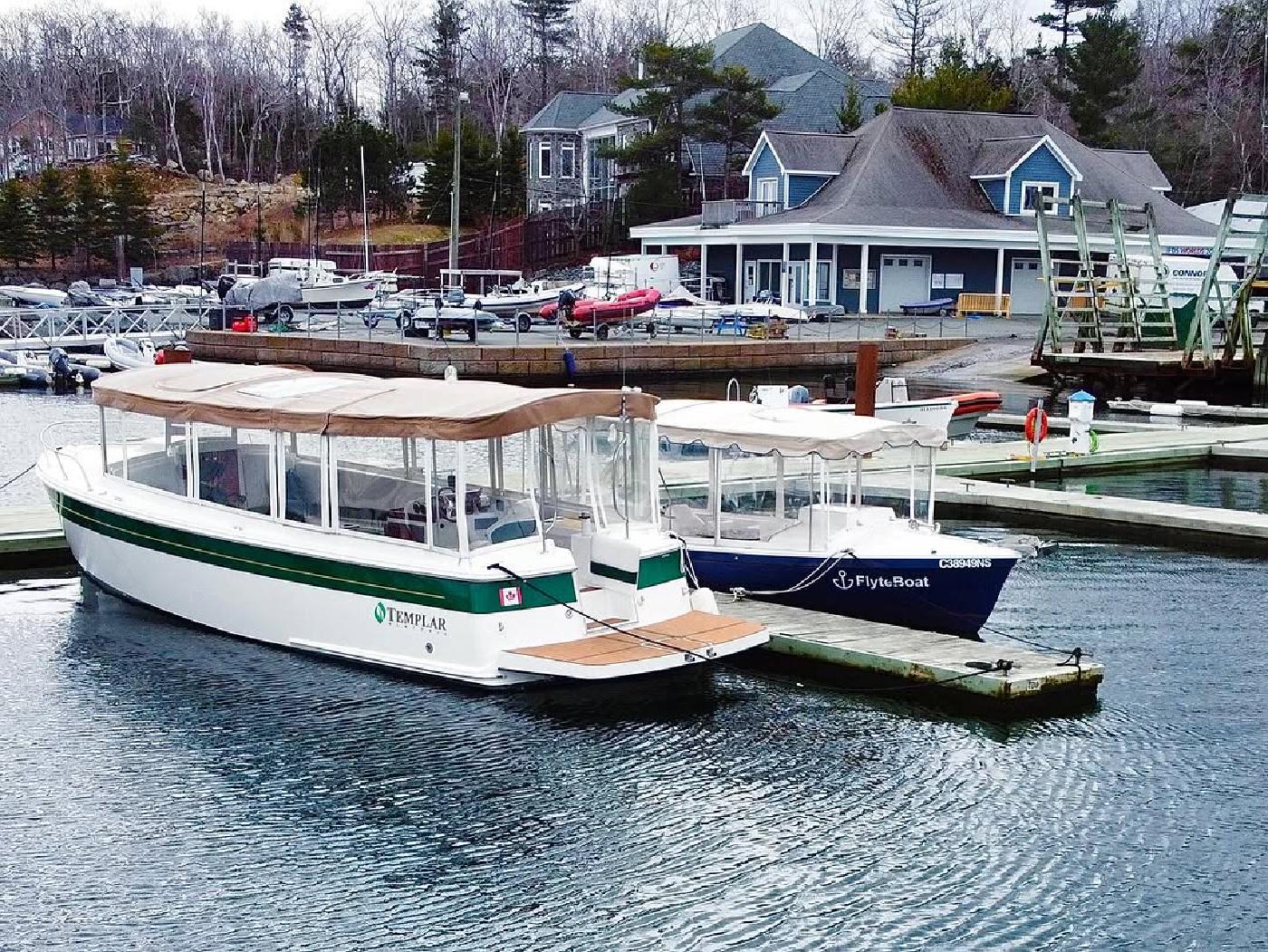
By the end of May, people in Dartmouth could be commuting to downtown Halifax, taking their dog across the harbour for coffee, or catching a ride home from a Mooseheads game – all on an electric boat that will dock at the COVE facility.
That’s the idea behind FlyteBoat, a new all-electric water taxi service founded by Topher Kingsley-Williams and Chris Watters. Launching this month, the company hopes to make Halifax Harbour feel less like a dividing line between communities, and more like an everyday transportation route.
“We kind of saw a gap in the Halifax-Dartmouth area market for alternative routes and what the ferries run,” Watters told the Post. “And a lot of other harbours have water taxis.”
The idea started after Kingsley-Williams and his father purchased B.C.-based electric boat builder Templar Marine last year and moved operations to Nova Scotia. Watters, a former Sail Canada coach of the year, said he became involved after spotting one of the boats at the yacht club last fall.
“I went and chatted with him about it,” he said. “And I said, well, what’s your plans for these boats?”
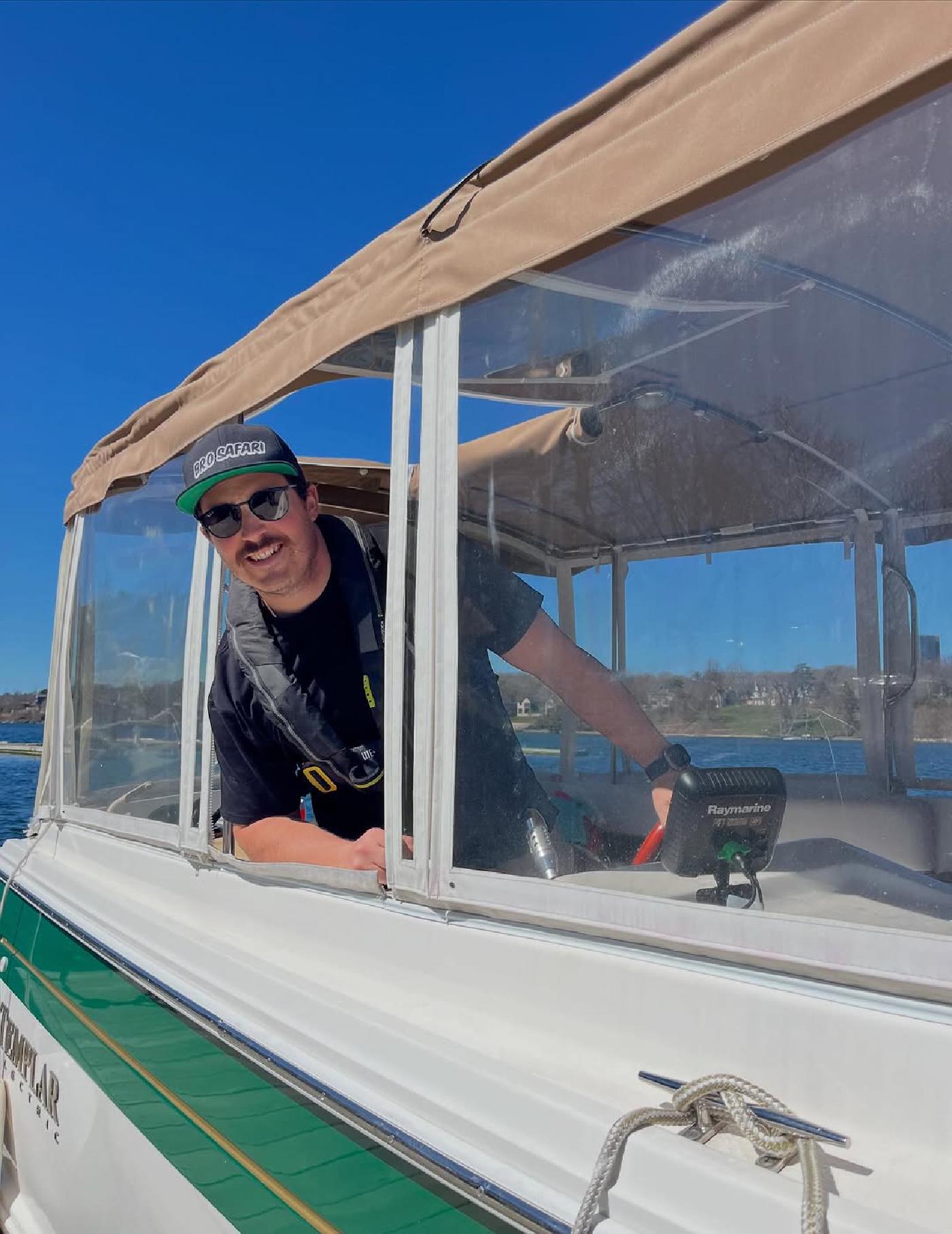
What followed was a winter spent building the business from scratch – acquiring another vessel, completing training courses, hiring staff, and planning routes around the harbour.
The company’s fleet includes three fully electric Templar boats, each capable of ferrying between eight to 12 passengers. Designed for more than just a sunny-day of sightseeing, the boats are enclosed, heated, and protected from the weather.
Morning service will focus on commuters travelling between areas like Kings Wharf and downtown Halifax near Pier 21, while afternoons and evenings will shift toward more on-demand transportation. This will include trips to George’s Island, McNabs Island, Fisherman’s Cove, and private bookings.
The company sees Dartmouth as central to its long-term plans. Watters said the COVE facilities offered both the infrastructure needed for electric boats and a community already connected to marine innovation.
“We see the COVE as kind of the leaders in the marine industry for the area,” Watters said. “So we wanted to position ourselves with other like-minded individuals who are working with boats.”
The electric boats are also key to the company’s business model. Watters said operating fuel-powered boats all day can become expensive quickly.
“If the boat’s going to be moving for eight, nine hours a day, it’s a significant cost in gas and fuel,” he said. “So the electric was a really good answer to that.”
The founders hope the lower operating costs will help make the service affordable enough for everyday use.
FlyteBoat’s first public launch is scheduled for May 30, though the boats will begin operation earlier in the month as the transportation sponsor for the Optimist North American Championship at the Royal Nova Scotia Yacht Squadron.
For Watters, the launch is about more than simply introducing another way to cross the harbour, it’s about encouraging more movement between both sides of the harbour.
“You look at the Halifax waterfront and it’d be fairly congested at times,” he said. “But when you get to the Dartmouth side, it’s quieter.
“We’re really looking to open up communities on the waterfront.”