On luck and German shrapnel
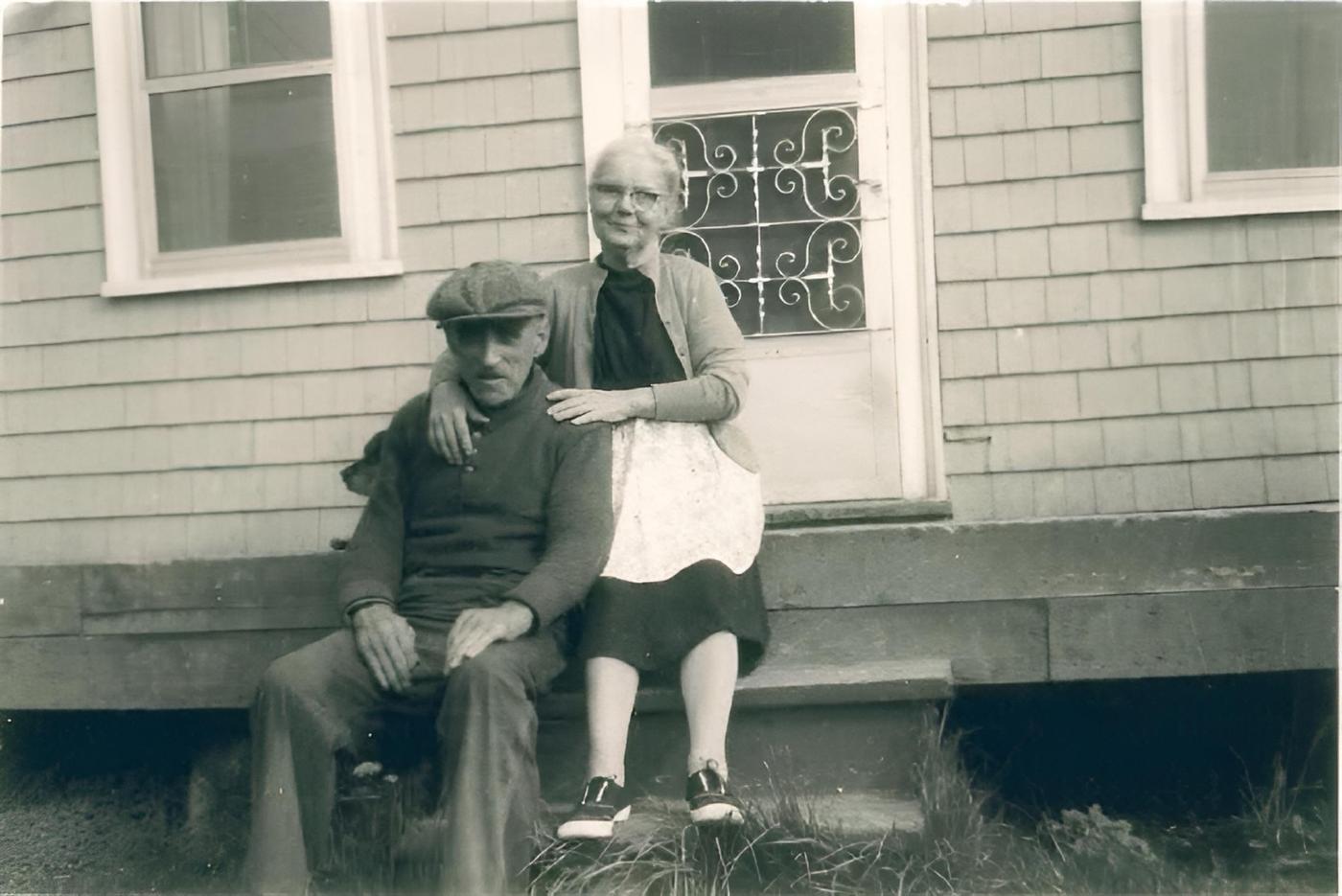
One of my favourite quotes comes from playwright Jonathan Larson.
“The opposite of war isn’t peace, it’s creation.”
And I am evidence of that.
As I sit in my Dartmouth home, the third generation to do so, I think about how we got here.
It all started with a bang.
It was April 27, 1918.
I can’t tell you their name or their battalion or regiment.
I can tell you that they were German.
And from a long barrel they projected a shell over the lands of France.
The German’s goal was for the shell they fired to kill whatever it hit, and if they were lucky, anything else around it.
This German was not lucky that day.
As the shell flew through the air, it hit a soldier of the Royal Montreal 14th Battalion. A Canadian.
It was stopped by the soldier’s left thigh, near the knee.
If it were a little bit higher or to the side, the shell would’ve blasted through the soldier’s femoral artery, killing him almost immediately and making it a good shot for the German.
A bit higher and to the side from there, and it would’ve hit the soldier somewhere more delicate. A part very necessary for you to be reading this story 108 years later, written by his great-granddaughter.
I, Katy Jean, am the product of a German with a bad shot.
I have no idea if the German survived. And I have no idea why he was there that day. I wouldn’t necessarily thank him for blasting not a bullet, but a shell, at my great-grandfather. But I can say, “Hey, thanks for screwing that one up.”
The Canadian soldier in this story is Leonard Cooley.
He was bleeding pretty bad. He had just made it almost to the front line, and he had to get all the way back on one leg.
It was 30 minutes from shell to dressing.
He had surgeries in France and a heck of a lot of tetanus shots.
They pulled out the shrapnel they could and shipped him off to London to receive adequate care.
After doctors examined the wound, cleaned the mud out of it, and tried to piece what they could back together, Leonard was admitted to City of London Military Hospital.
There waiting for him was a woman named Rose.
Rose Taylor, along with her sisters, all worked as nurses in London during the First World War.
Many, many women of smarts and strength did during that time. It didn’t hurt for Rose that she lived within walking distance of the hospital.
I know because I’ve walked it myself.
Two years earlier almost to the day, Leonard was gassed. It caused pneumonia, and he found himself in London for treatment.
He had been in battle since February 1915. A couple of hospital stays is pretty impressive for a Private.
And that is where Leonard met Rose. Later he would take a few days off to marry her.
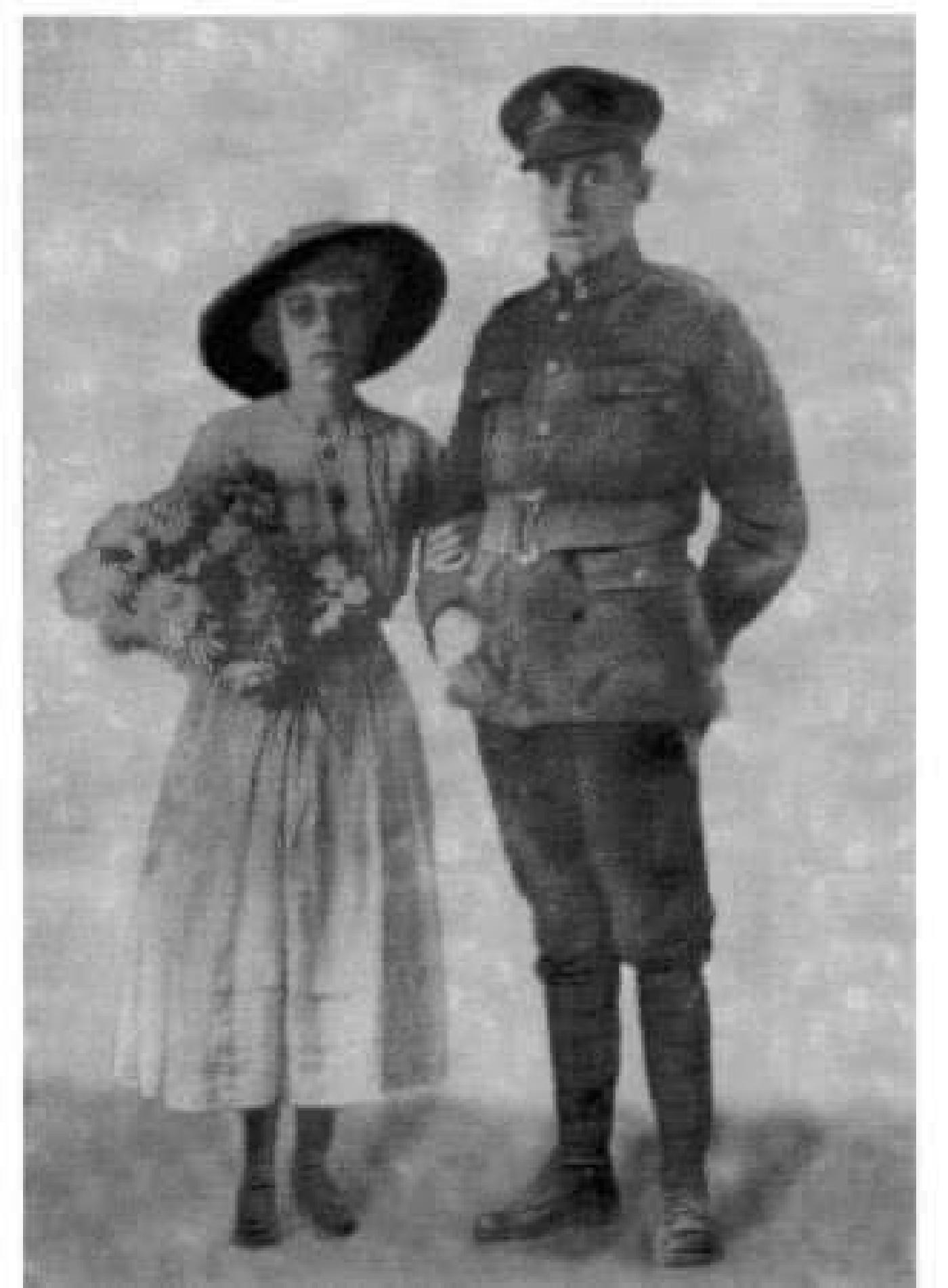
I want to say Rose tended to Leonard well when he found himself with a shattered leg. And that she was an excellent nurse.
That Leonard had multiple infections and issues with healing doesn’t quite paint that picture.
But I’m sure her company did wonders regardless.
Leonard was just a few months from making it to the end of the war, 108 years ago, on November 11, 1918, when the guns fell silent.
Rose gave birth to twins in Lambeth, London, and the family lived in a set of brick townhouses with a steep set of stairs.
I’m sure that felt wonderful on a shelled leg.
On August 14, 1919, Rose landed in her new country of Canada. Leaving London behind forever.
Soon after they settled in Tufts Cove, Dartmouth.
My story is not unique. Mostly because Leonard and Rose had nine children. And those children had children. My own grandmother, their daughter, had eight.
But I don’t share my story just with my cousins.
Many women left entire lives behind to come to the country of Canada, the land their strong soldiers called home.
Many soldiers were shelled, gassed, shot, mined or just plain got sick while battling harsh conditions foreign to their bodies.
And some soldiers gave their lives. Their futures. Their stories to the dirt of battlefields of the World Wars.
We fly a flag they would never even see.
And war hasn’t stopped.
And neither has creation.
Lest We Forget.