
Rental benefits are helpful, but fail to keep pace with rising costs in Dartmouth
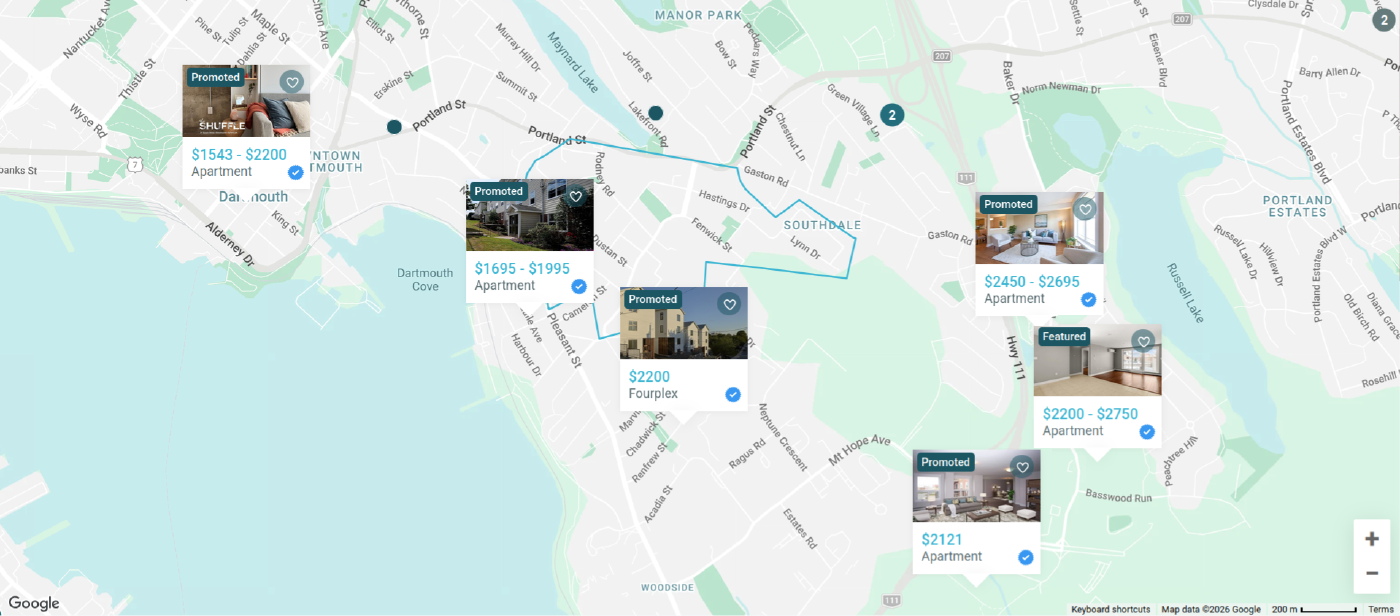
The Canada-Nova Scotia Targeted Housing Benefit has grown from approximately $11 million in 2021 to $90 million this year, according to the province. The program helps thousands of people stay housed, but even as funding grows, the gap between the rent the province uses to calculate the benefit and the reality of renting in Dartmouth is widening.
For a two-bedroom apartment in Dartmouth, the benefit caps rent at $1,499, the average market rent (AMR) from a 2024 Canada Mortgage and Housing Corporation (CMHC) survey. The 2025 survey put the AMR, at $1,661 but the province chose not to update the figure.
“While that housing benefit is extraordinarily helpful to many people, it’s not at all sufficient to address the housing crisis that we’re experiencing,” said Claudia Chender, MLA for Dartmouth South and leader of the provincial NDP. The figure includes long-term tenants still paying old rates, Chender wrote in her October newsletter.
“The AMR is based on data that is going to be a little bit historical, and our rents continue to skyrocket year after year,” she said.
CMHC’s 2025 survey showed vacant two-bedrooms had an average asking rent of $1,990 in Dartmouth while tenants already living in two-bedrooms paid an average of $1,655.
Across all 129 two-bedroom listings on Rentals.ca for Dartmouth on Oct. 30, the average asking rent was $2,696, according to an analysis by the South Dartmouth Post. Only one listing was under $1,499 and only four were under CMHC’s newer, larger figure. Eighty-four of those listings were in one new complex, Origin Living at Dartmouth Crossing. Seventy-seven of those were listed between $2,500 and $3,400. Without the new building, the average of the remaining 45 two-bedroom listings in Dartmouth was $2,217.
In South Dartmouth there were only 11 buildings with 27 two-bedroom listings between them, ranging from $1,495 to $2,805.
Keeping the older AMR figure was a deliberate choice, said the province in an emailed statement.
“This has allowed us to make available funding go further and support as many people and families in housing need as possible,” the statement said. The province called the benefit a “partial gap subsidy for households in need” and said Nova Scotia has one of the most generous rent supplement programs in Canada.
Tim Allenby, the chair of the Dartmouth chapter of the Association of Community Organizations for Reform Now (ACORN), said benefits have failed to keep pace.
“The reality on the ground, if you’re looking for somewhere to rent, is completely disconnected from whatever numbers they’re using to calculate who qualifies for these things and how much you get,” Allenby said.
People aren’t getting the help they need and rising rent has hit people on a scale that varies from frustrating to devastating, he said.
In October 2026, 5,720 households in the central region that includes Halifax and Dartmouth got the benefit, averaging $795 a month, according to the province. Chender said her office stays busy helping people apply for the benefit and navigate the numbers.
CMHC’s 2026 survey was taken in October. The results come out later this year.