
Tabletop wargames, boats, and blimps: NATO in Dartmouth for week of technology demonstrations
Nova Scotia “prime” to be host for defence investment, says local company
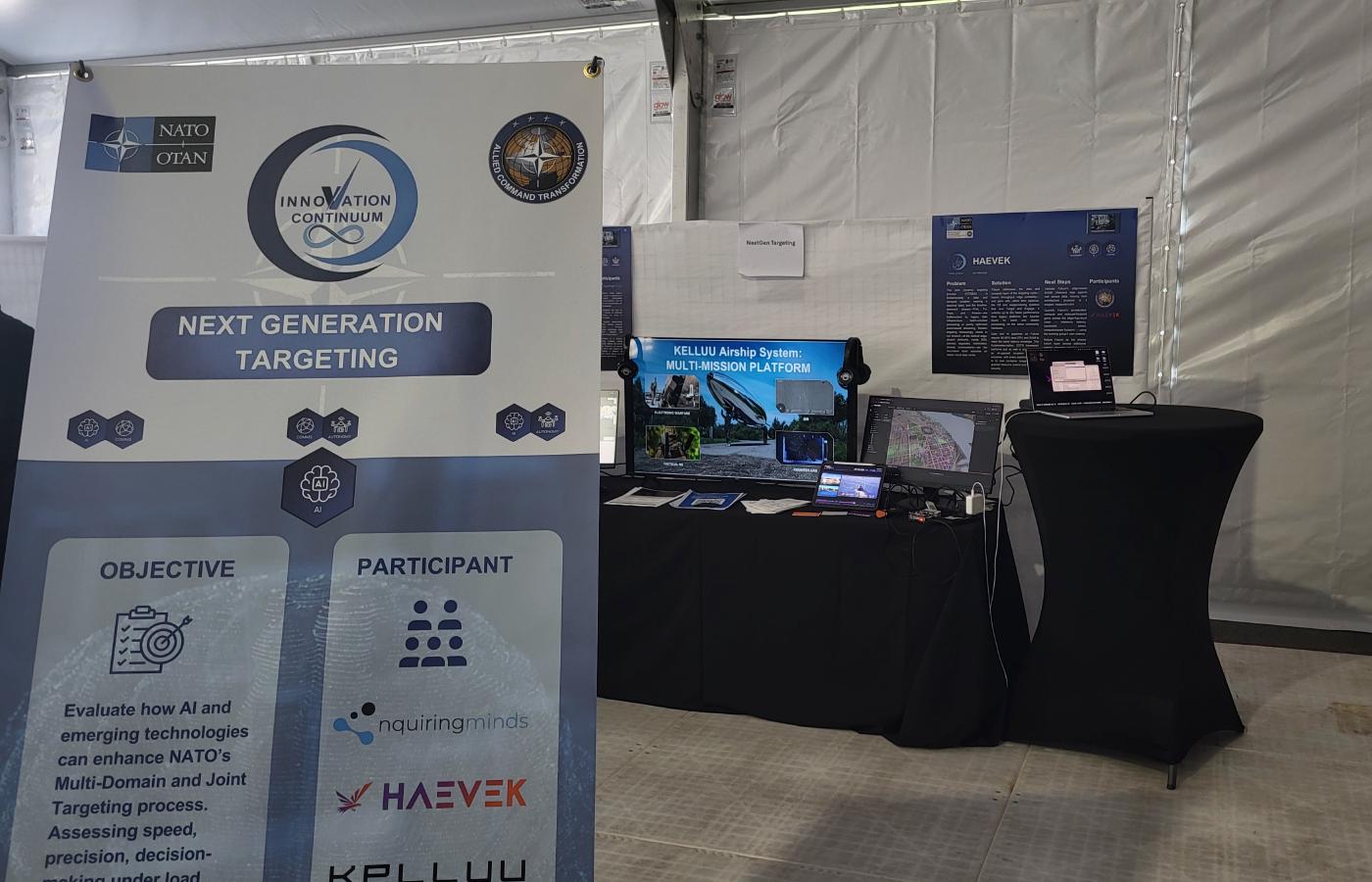
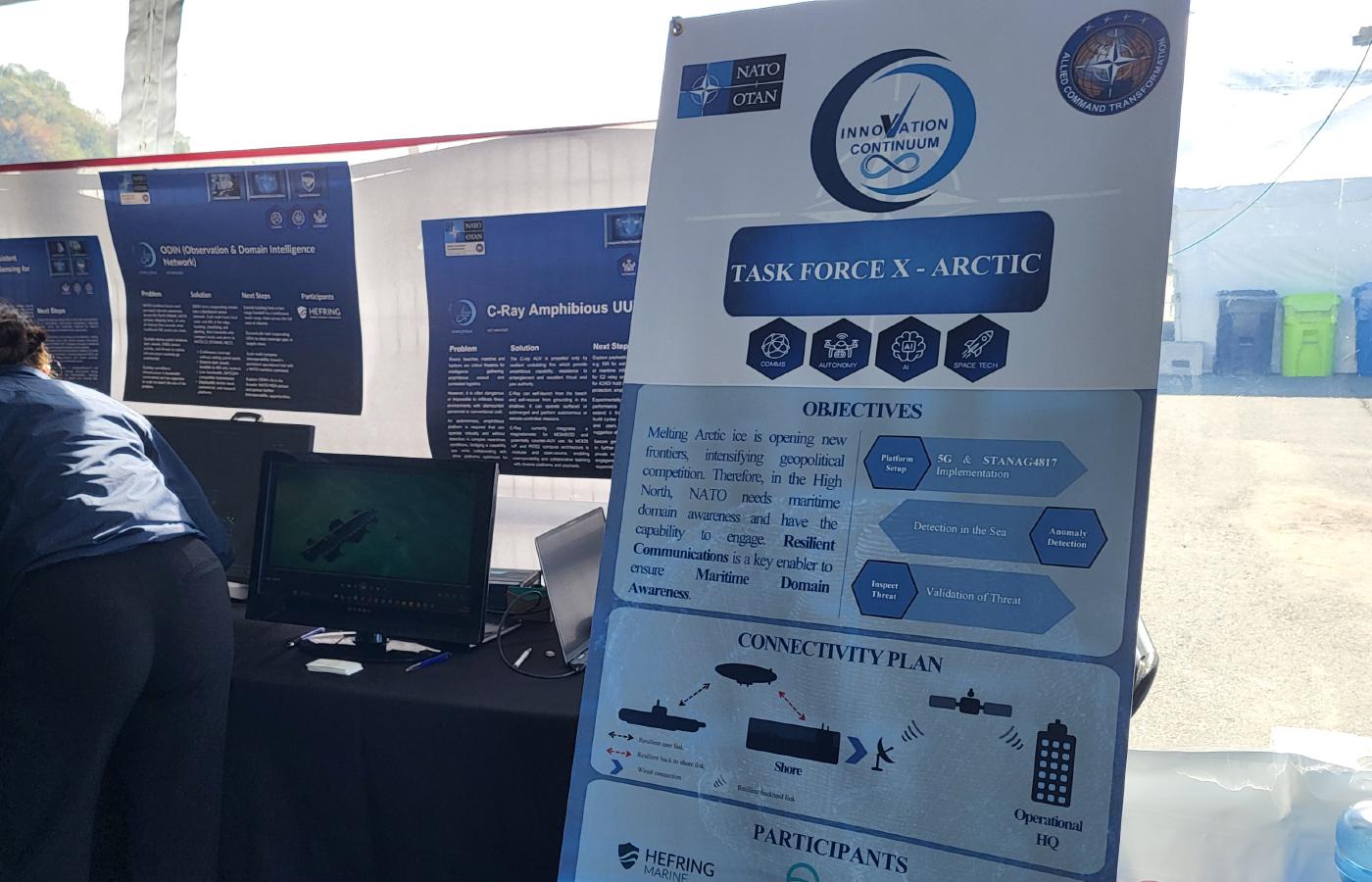
The Centre for Ocean Ventures and Entrepreneurship (COVE) invited developers, engineers, and NATO officials to Dartmouth recently for the final event of NATO’s Innovation Continuum.
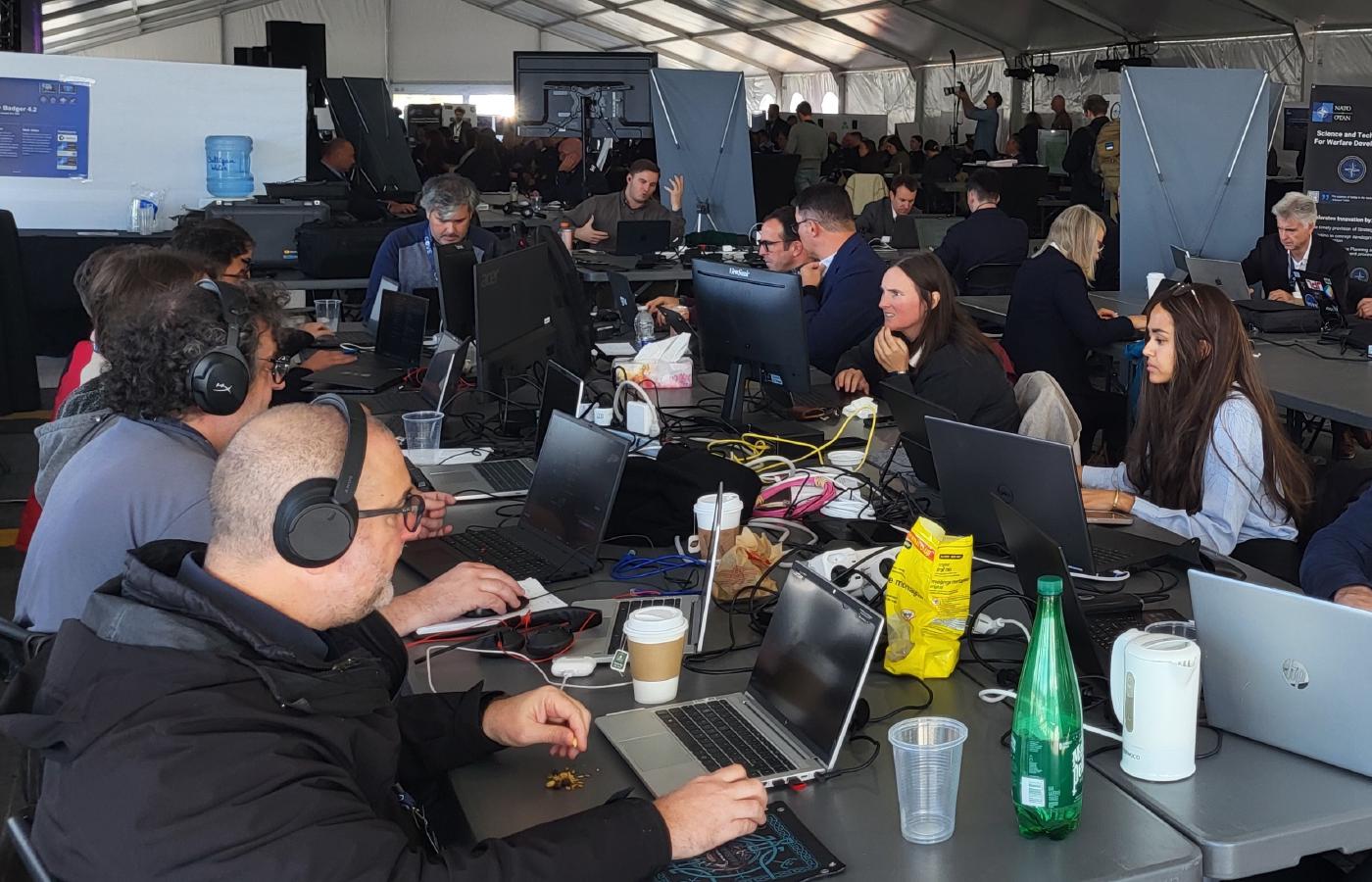
The event took place under a giant tent on the COVE property and resembled a high-tech science fair. Companies working on common defence issues were grouped in different areas of the tent with tech displays and placards to explain what they had developed. There were drones, VR headsets, and surveillance tech on display. Some were connected to sea or air vessels docked nearby.
“The idea really is collaboration for the sake of providing real solutions,” said Sam Macdonald. Macdonald is the chief commercial officer for Open Ocean Robotics, a Canadian company that participated in the event.
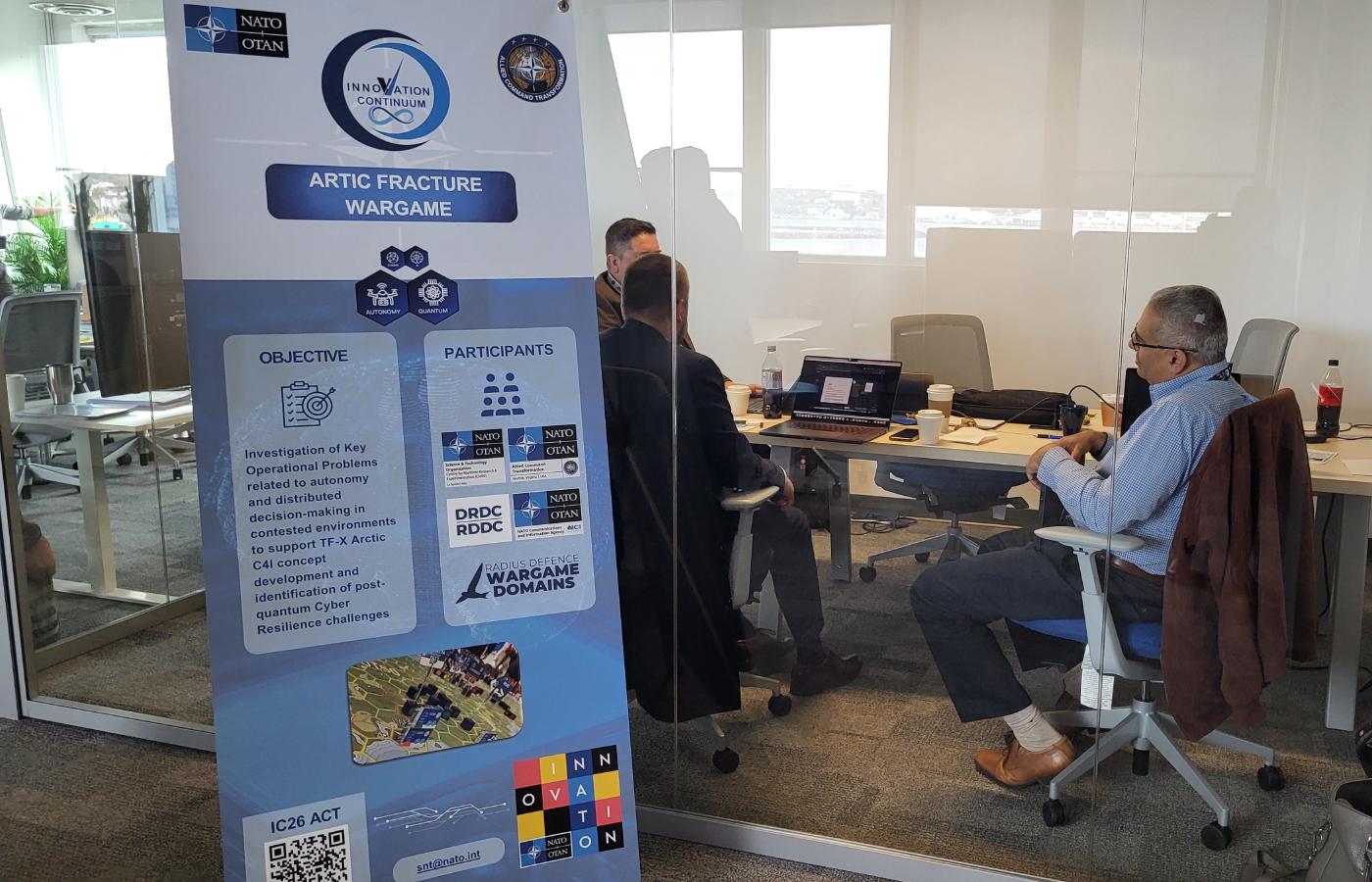
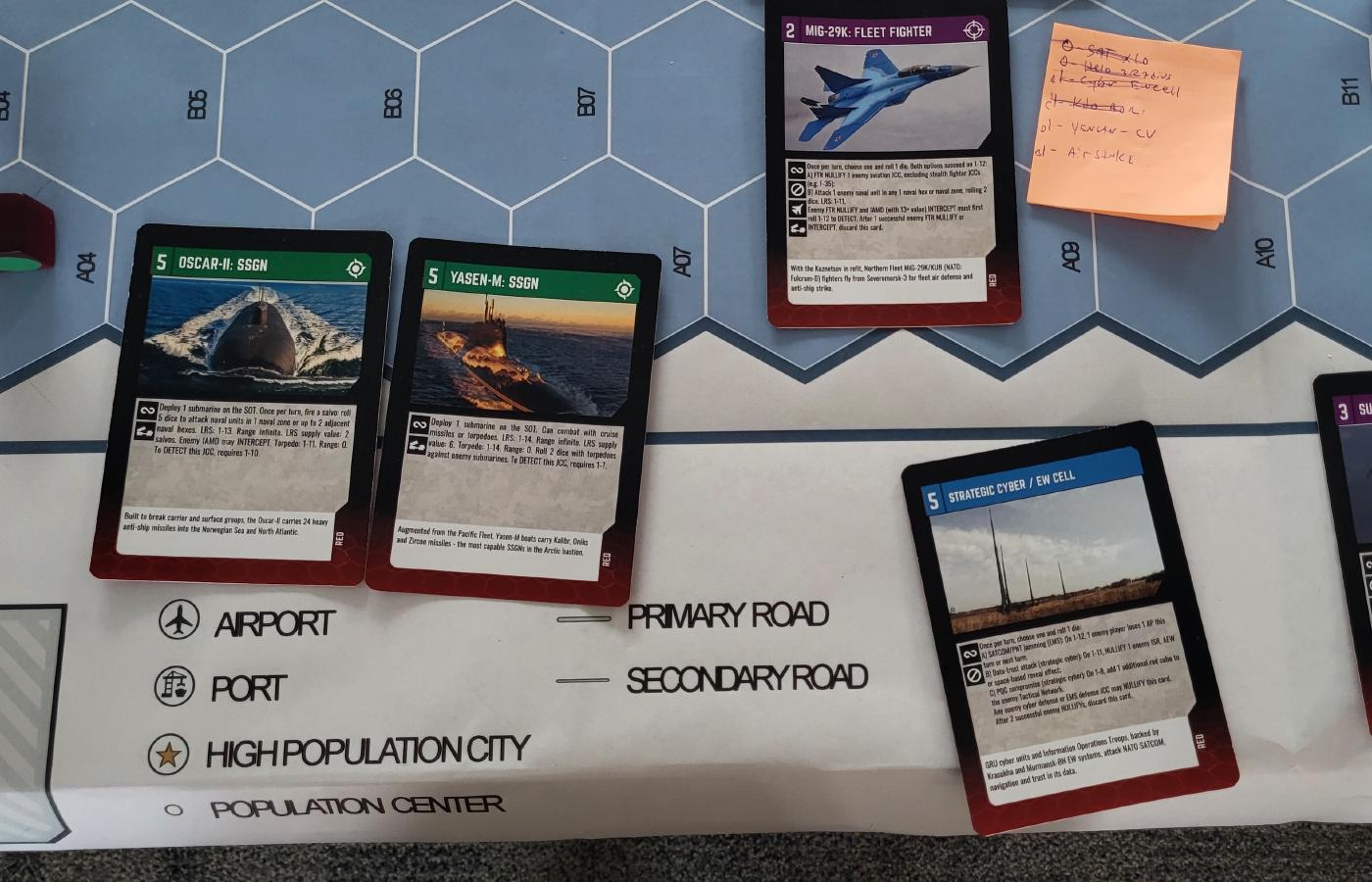
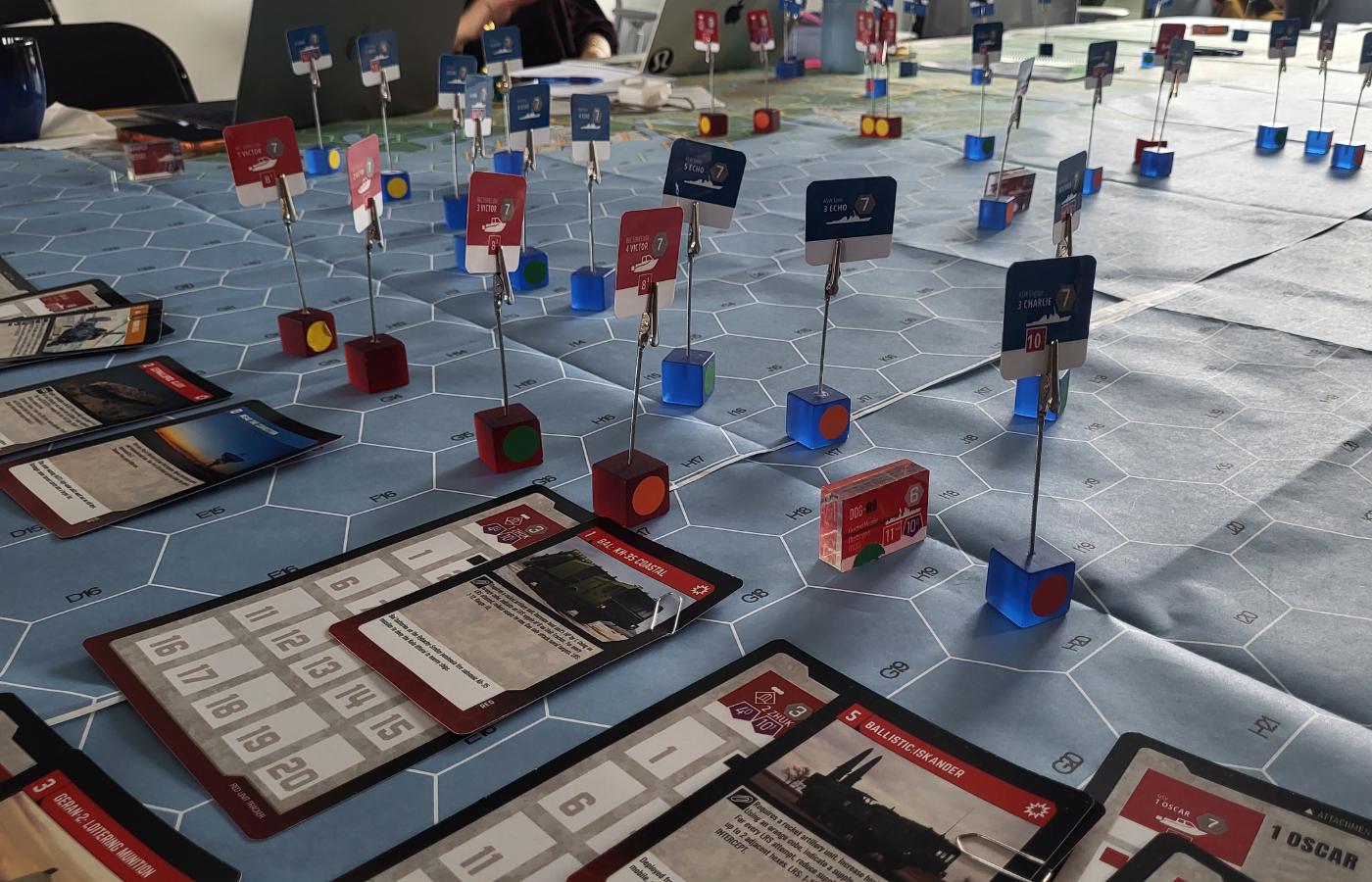
Inside the COVE building, a wargame group tested military scenarios with existing technologies in what resembled a tabletop boardgame. A map of Norway’s coastline was set up with vessel markers to represent the two teams undergoing the simulation. Another group was being tested in cognitive warfare in a private room.
This was the fourth and final stage of the innovation Continuum, a program that aims to “accelerate the adoption of emerging and disruptive technologies within the Alliance.”
The continuum started with planning events in Bulgaria and Poland: Spark and Ignite. It culminated in the final two stages at COVE in Dartmouth: Glow in September and finally Shine from Oct. 5 to 9. Shine allowed companies to demonstrate the solutions they developed throughout the year to NATO officials.
Local companies, international audience
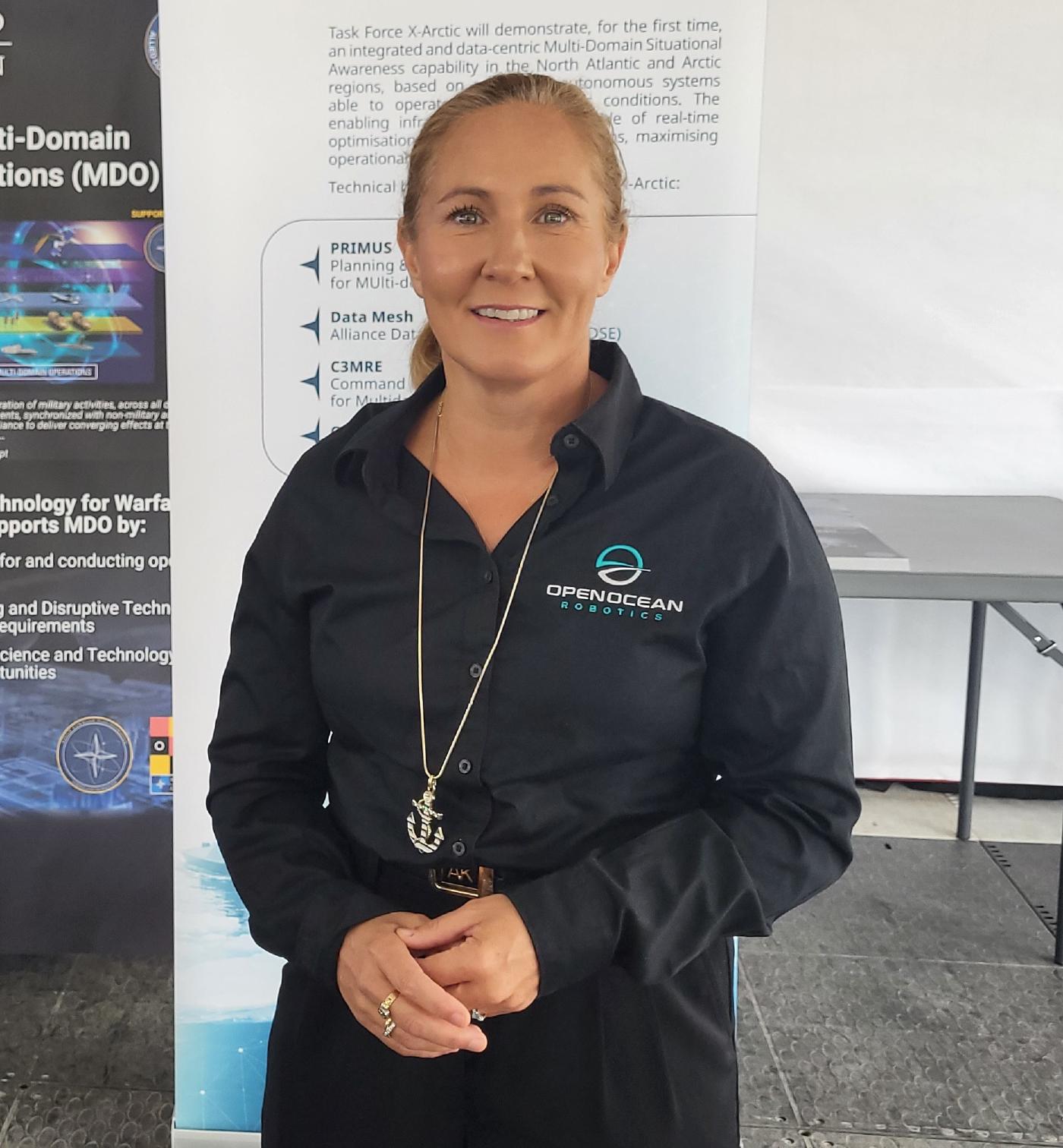
Open Ocean Robotics creates boats that can be remotely operated or sent on autonomous missions. These vessels can gather data below and above the surface of the waves for military or scientific use.
The company has an office at COVE and is based in Victoria, B.C. Macdonald said they opened operations in Dartmouth to take advantage of the maritime environment and the opportunities available.
“I think now more than ever, Canada is understanding the need for true defence,” said Macdonald.
Part of that work is in the Arctic. Open Ocean worked with other companies to create a sound communication system that can be used in the North for the Innovation Continuum. Their contribution to the project is a 12-foot electric sea vessel.
Macdonald said Shine presented a great opportunity to meet people from other nations.
“We [Canada] are also getting a lot of attention from the NATO players around the world and friendly nations, that we do have these capabilities right here in Canada,” she said. “We have an important role to play in worldwide defence, and I don’t think that message is being lost.”
The message is present in recent news, for both the Halifax area and Nova Scotia. In September, Mayor Andy Fillmore represented Halifax as “Canada’s Defence City” in Ottawa. This follows the federal government’s announcement last March to invest over $2 billion in defence in Nova Scotia.
“Nova Scotia is prime to become the host,” said Macdonald. “That’s really creating a lot of opportunities for testing, innovation, and really getting in front of the people who are really using the technology to understand what we should be building for the future, and all of that can happen right here in Halifax.”
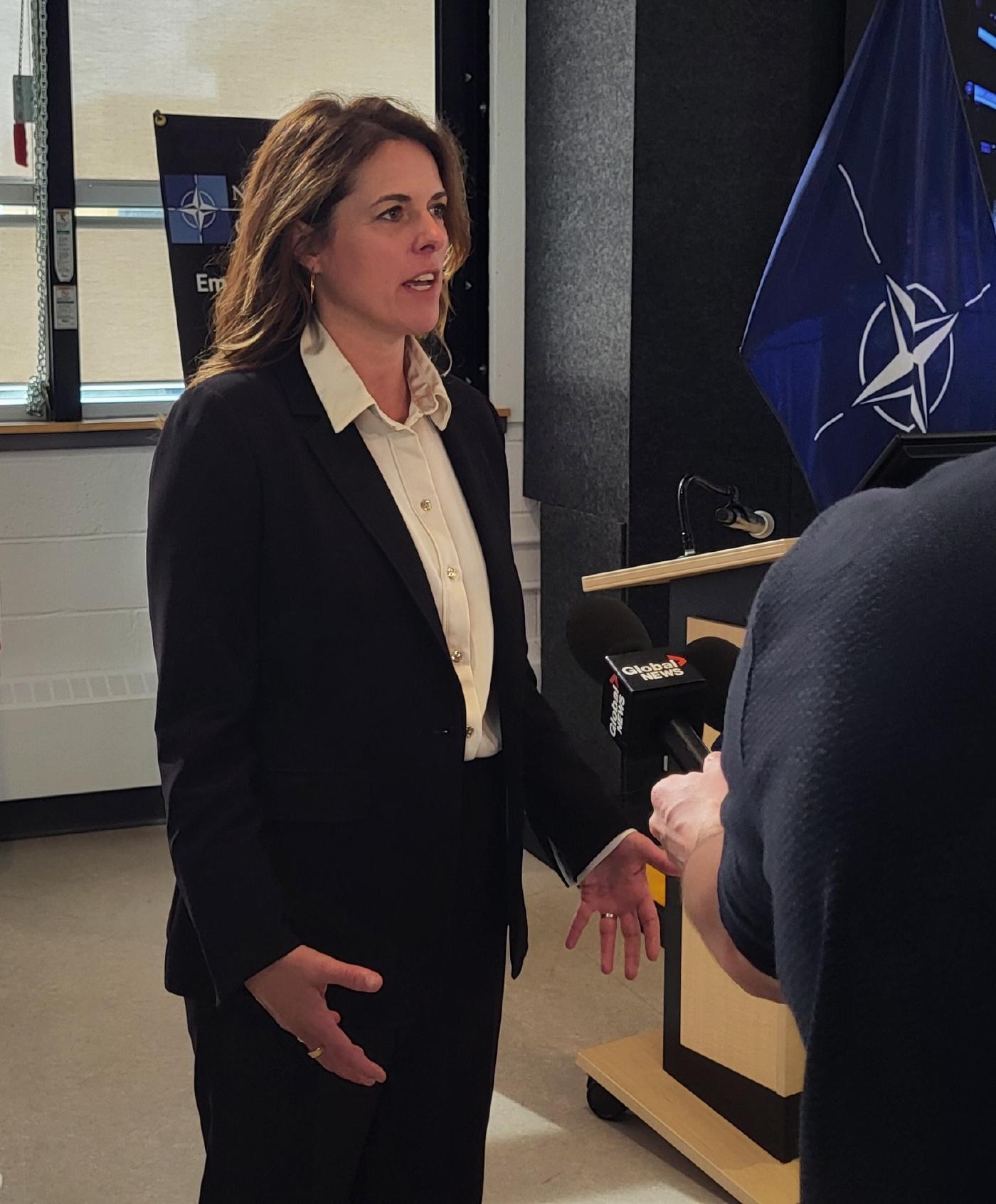
COVE CEO Melanie Nadeau said about 30 per cent of the 100 companies involved in the Innovation Continuum were Canadian. She said Canadian companies are involved in part because of COVE’s partnership with NATO Allied Command Transformation (ACT). The Innovation Continuum is an ACT program. This is the first time Canada has hosted a continuum event in its three-year history.
“It’s allowing innovation to be amplified within our ecosystem,” said Nadeau. “It’s also allowing real innovators and companies to have full-on exposure to operators across the NATO Alliance.”
COVE is the Canadian innovation incubator for NATO DIANA — the Defence Innovation Accelerator for the North Atlantic. This means they host and mentor companies working on technologies that can be used in military or civilian scenarios. Many companies involved in the Innovation Continuum are part of NATO DIANA.
“COVE’s real mission is to focus on commercialization,” said Nadeau. For COVE, this means helping innovators understand “the true operational challenges on the front lines.”
Nadeau said locals and all Canadians should appreciate how the continuum is bringing the world to our shores, alongside DEFSEC Atlantic, which took place at the Halifax Convention Centre from Oct. 6 to 8. Nadeau said both events point to national and international recognition of local defence capabilities.
“That’s really exciting for us and should be exciting for others,” she said.
Groups tackle common defence problems
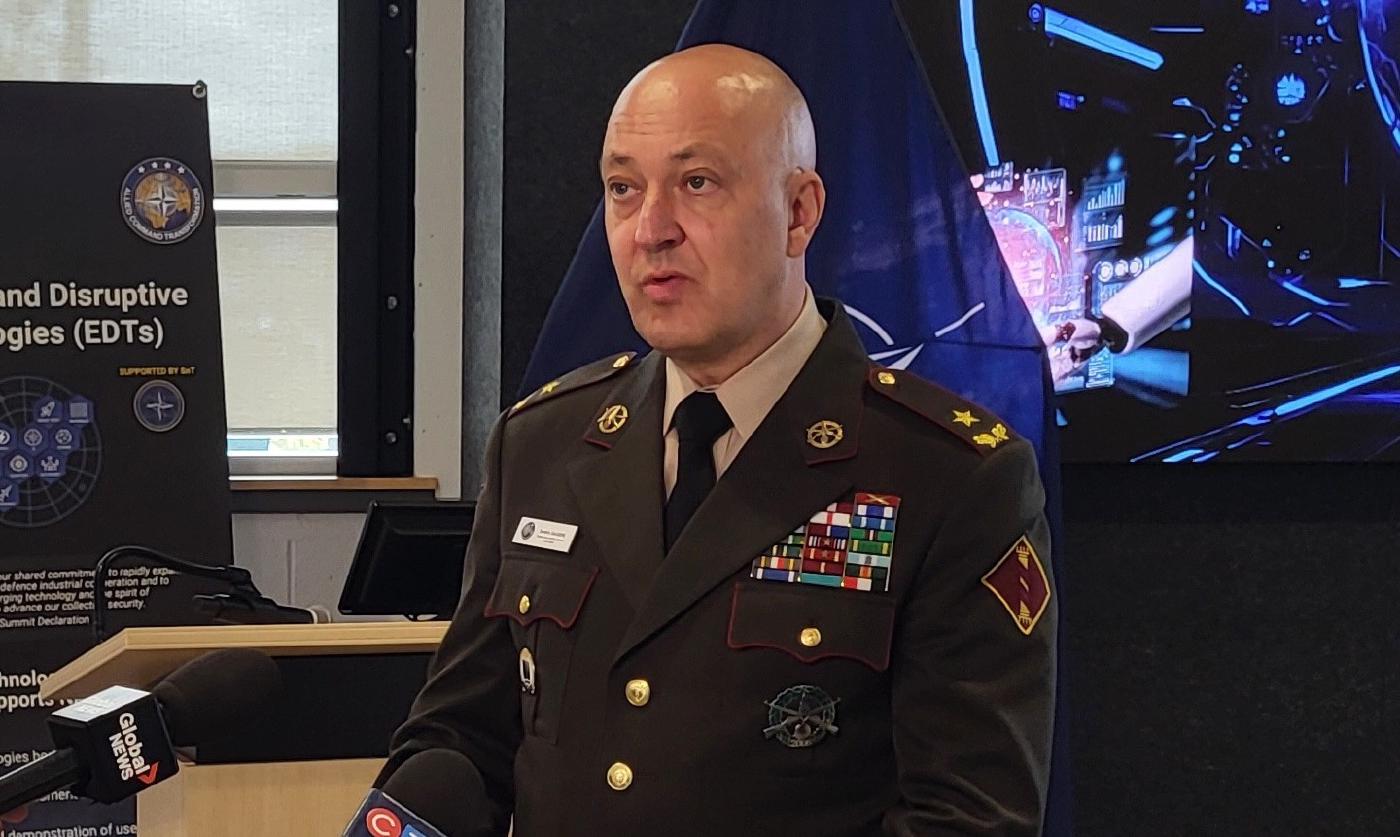
Latvian Brig.-Gen. Sandris Gaugers leads multidomain force development for ACT with NATO.
Gaugers said the purpose of the Innovation Continuum is to bring together startups, innovators, and other companies, to collaborate on common problems. They group companies together to address a specific challenge. Topics this year included AI, electronic warfare, cyber resilience, Arctic defence and cognitive warfare.
“One of the key things is everything related to command and control,” said Gaugers. “The other thing … that Ukraine has been facing, is logistics.”
Gaugers said ordering and receiving equipment when it is needed is a key problem across the alliance. A group of innovators worked on this problem through the Innovation Continuum this year.
“We basically have created a platform which is kind of an Amazon shopping platform for the Forces,” said Gaugers. “That particular platform … has been used already in Ukraine, so it is already battlefield testing.”
And what about that blimp?
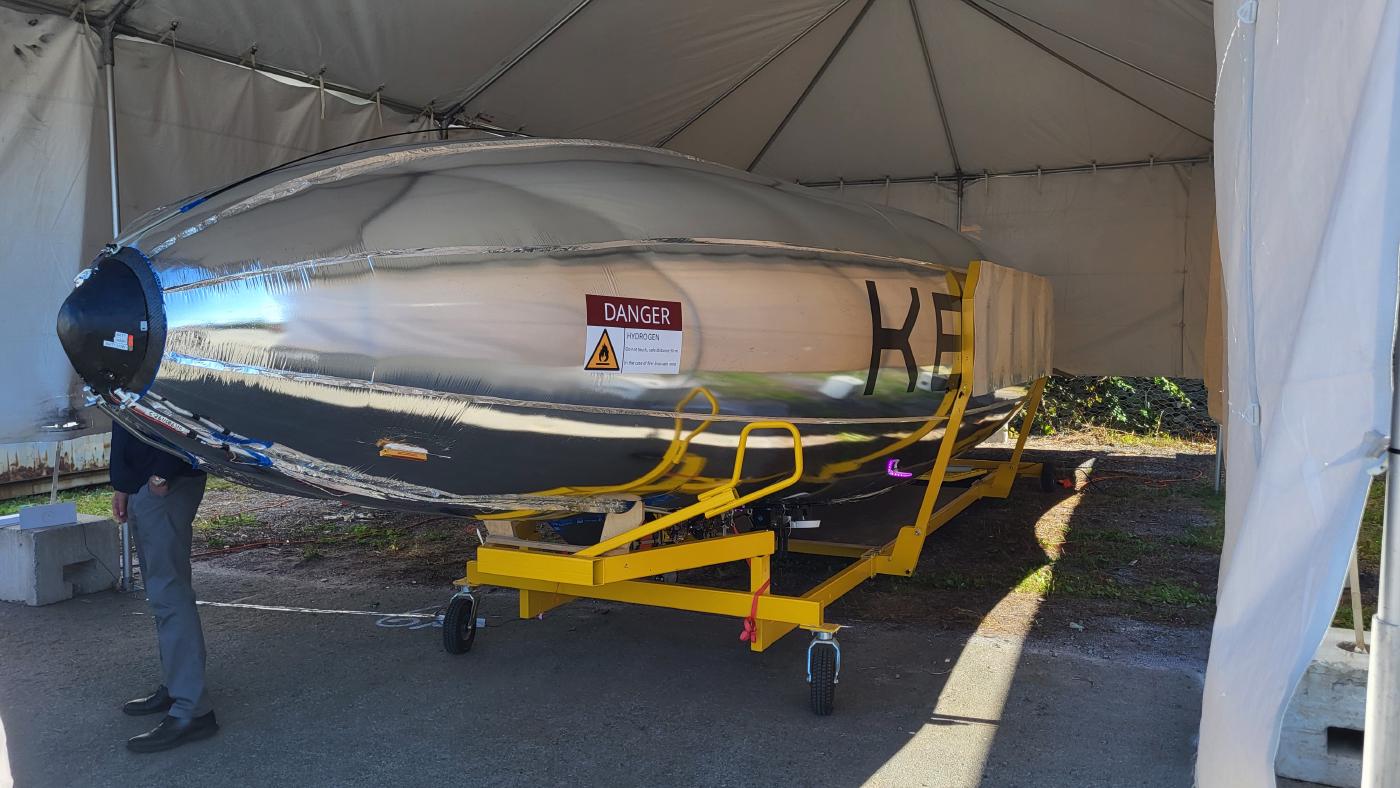
Many residents of Dartmouth would have seen the airship resembling a blimp fly over the harbour. The drone was created by Finnish company Kelluu. It is able to fly in colder climates and for long periods of time, making it ideal for Arctic missions.
The Kelluu airship was used in surveillance projects to predict and prevent civilian casualties, as well as an Arctic connectivity plan.
Kelluu recently announced that they are a chosen supplier for Canada’s Defence Drone Initiative, meaning Canadian defence personnel can place orders for Kelluu ships without seeking alternative competition.