
Break-in adds to pressures facing Dartmouth Heritage Museum
Donation bin emptied and original 1867 leaded glass doors cracked after a break-in at Evergreen House on Thursday, Aug. 27.
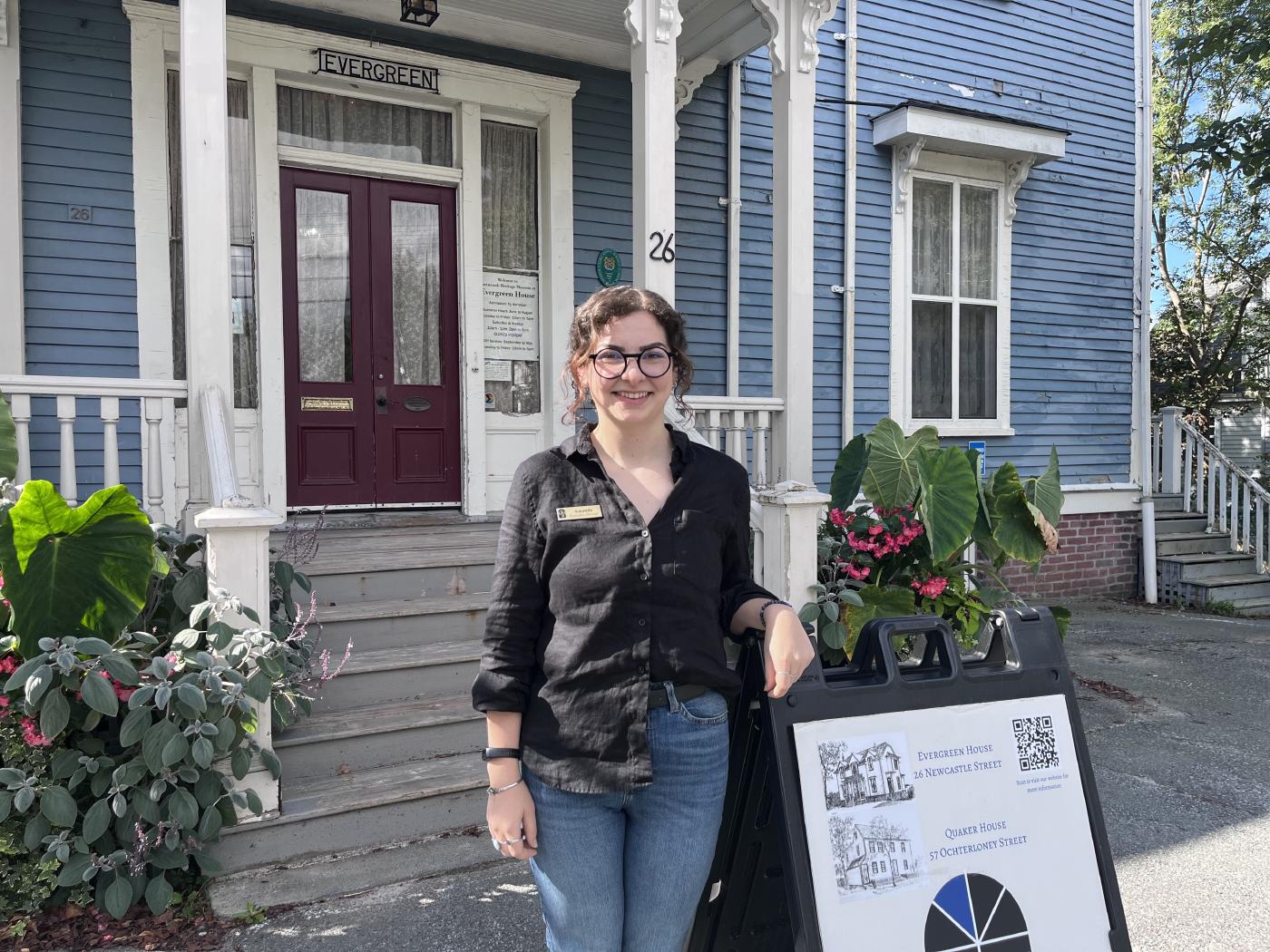
A break-in at the Dartmouth Heritage Museum has left staff shaken and damaged part of a historic building – but for the museum’s director, the incident also served as an indicator of the financial pressures Nova Scotians are now under.
Halifax Regional Police received a report of a break and enter at the museum’s Evergreen House, 26 Newcastle, at about 2:15 a.m. on Aug. 27.
In a statement to the Post, HRP said the suspect or suspects fled with a quantity of money from a donation box. Officers searched the area but did not locate anyone. As of Sept. 3, no arrests had been made and the investigation remains ongoing.
When staff arrived at Evergreen House later that morning, they discovered the museum’s donation bin emptied and its cash register forcefully pulled from the reception area and left on the floor.
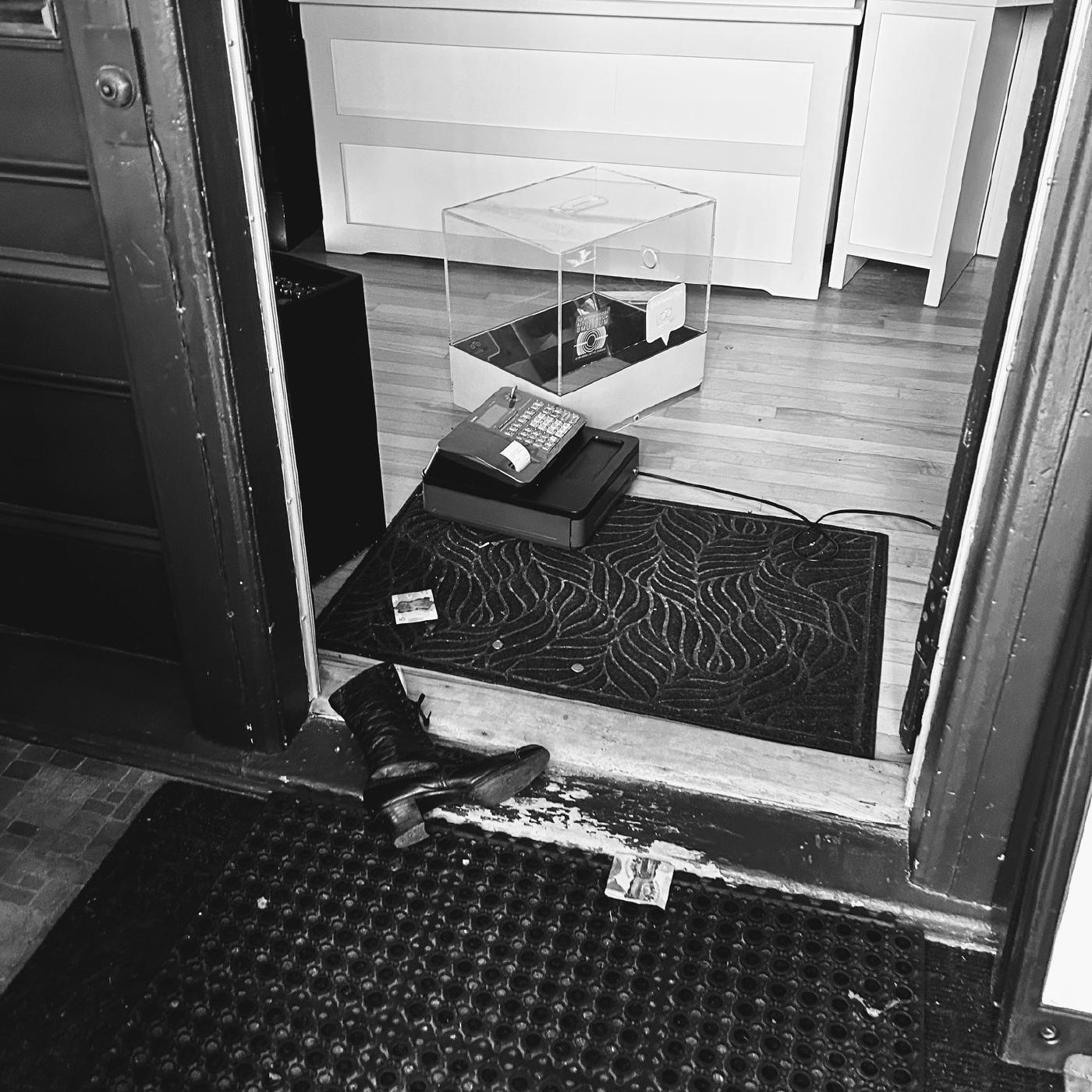
The museum’s immediate concern was whether any artifacts had been taken.
“We did a search around the whole building to check if all the artifacts were accounted for,” Amanda Furniss, executive director of the museum, told the Post. “Thankfully, they were.”
The break-in caused damage to the building’s historic entrance, including the original leaded glass doors dating back to 1867. Several panes were cracked when the door was forced open, while the locks and a hinge were also damaged.
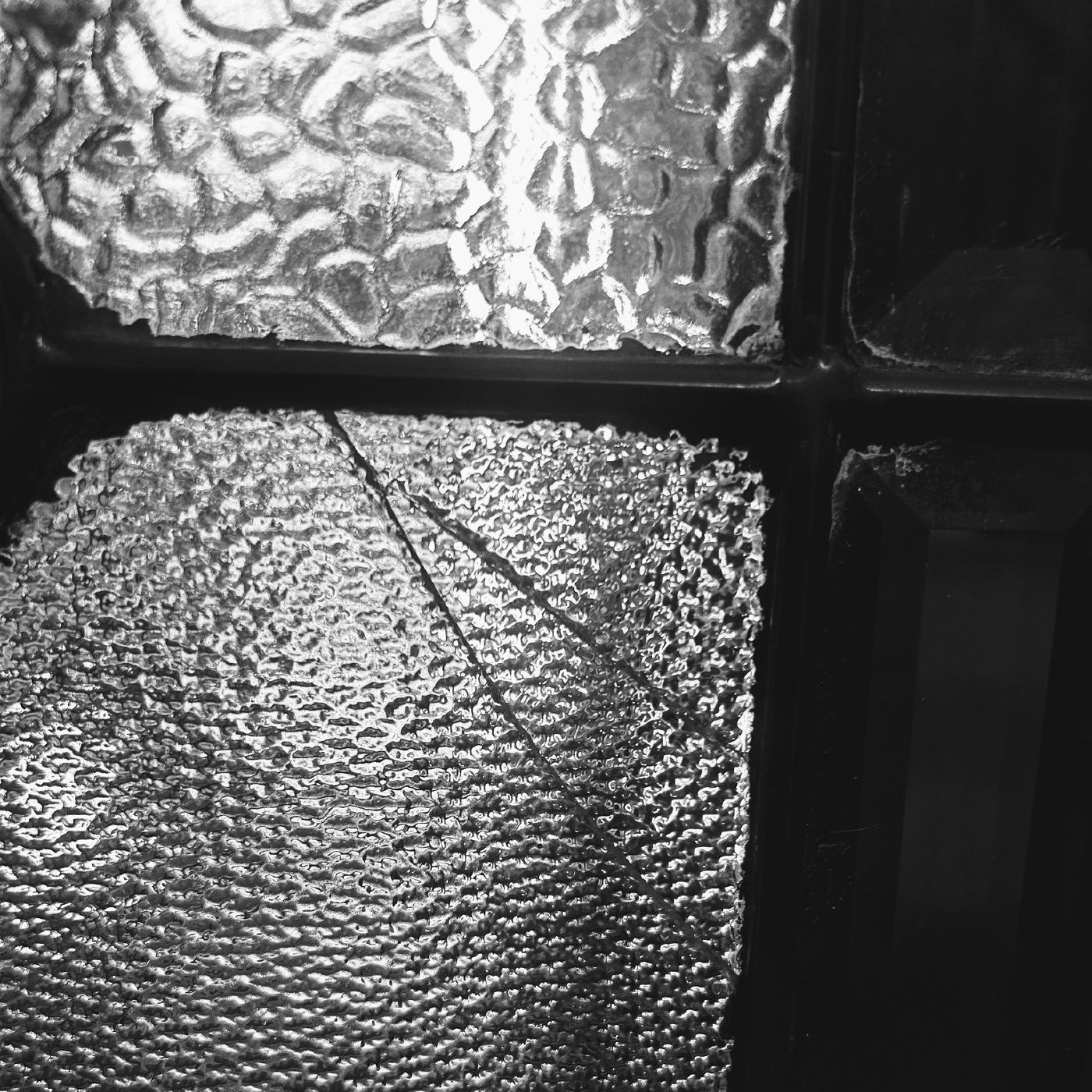
While the doors can be repaired, some of the original glass cannot be replaced.
“We’ll try to match the original style as closely as possible,” she said. “But the original is going to be lost.”
The museum closed for the day while police investigated, leaving staff and volunteers feeling “violated” and disappointed, Furniss said.
“One of our staff people has worked here for 10 years, and she said there’s never been a robbery here,” said Furniss.
But beyond the immediate damage and theft, the incident prompted a more difficult reflection about the circumstances people in the province are facing.
The Dartmouth Heritage Museum, like other community museums in Nova Scotia, recently saw its funding through the provincial Community Museums Assistance Program reduced by 20 per cent.
The museum offers free admission and free events at both Evergreen House and the Quaker House, making donations and volunteers particularly important to its ability to operate.
Furniss said the break-in happened against a backdrop of cuts across government, businesses closing, a worsening homelessness crisis, and rising grocery costs.
“It’s been feeling tense, I think, for a lot of people, not just in our community, but all across Nova Scotia,” she said.
“My immediate reaction when this happened was that it was a bleak reminder of the desperation that people are feeling, that people are struggling.
“I don’t think anyone wants to steal from a museum,” Furniss said. “I think maybe people feel forced to do that from their circumstances.”
There is no indication yet that the person responsible was motivated by financial hardship, and the museum has not been told who carried out the break-in or why it was targeted.
The director said they had heard from police and people in the surrounding area that there had been several other break-ins in recent days, including a theft from a vehicle and a robbery, both occurring on Parker Street, off Newcastle. There is no information yet if these incidents are connected.
For the Dartmouth museum, the incident has also prompted a broader conversation about security. Evergreen House is municipally owned, and museum staff are now working with Halifax Regional Municipality to explore ways to better secure the building.
Despite the break-in, the response from the community has been encouraging.
“An outpouring of support from not just people who live in Dartmouth, people from all over Nova Scotia,” said Furniss. “We even had a phone call from someone in the U.S. who somehow heard about this incident.”
The museum hopes residents continue to support it by visiting, volunteering, or becoming members.
“The museum is a community space for events, for families to come visit, for visitors who want to connect with our rich culture and history,” said Furniss. “Coming here and engaging with the museum, I think, is the most important thing.”