
CARE crisis team expands across Halifax, but Dartmouth boundary remains
The mobile crisis-response program has grown since launching last year, but residents in South Woodside and Eastern Passage remain outside its service area.
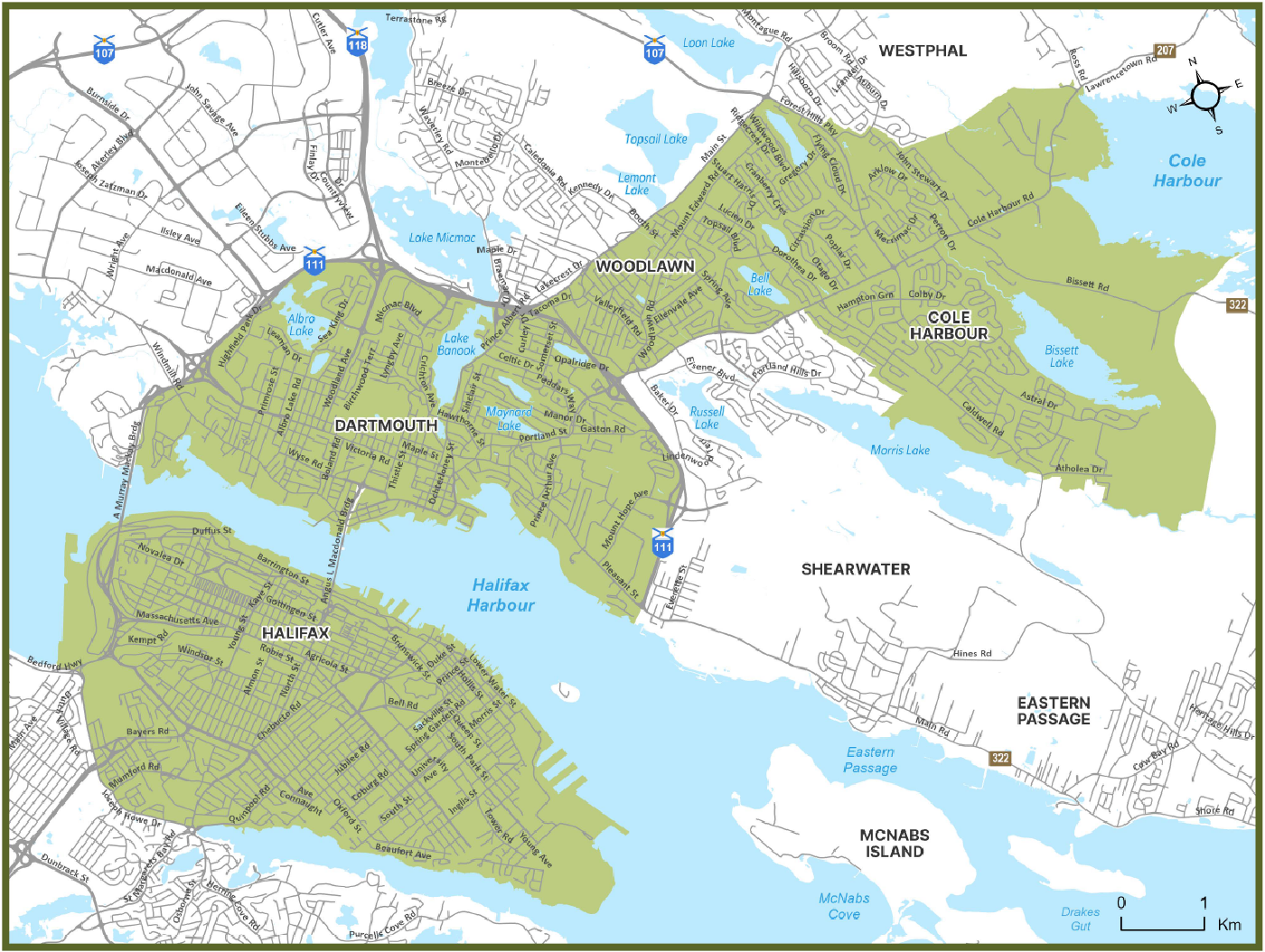
The Crisis Assistance and Response (CARE) Team has expanded its coverage twice since launching last fall, but its Dartmouth service area still stops at Highway 111, leaving parts of District 3 – Dartmouth South, Woodside and Eastern Passage – outside the program’s mobile response area.
The municipal program provides a non-clinical, non-emergency response for people experiencing situations such as mental health concerns, substance use, public intoxication or other personal crises. The support is delivered in partnership with 211 Nova Scotia and Souls Harbour Rescue Mission.
For someone located within the CARE service area, an eligible request can result in a mobile team being dispatched. For someone outside the area, 211 instead looks for other services available in that community.
This includes community, non-profit, and government programs related to food, housing, mental health, and employment.
How the boundary was established
CARE launched in October 2025 as a 13-hour service. It became a 24-hour service in January 2026 and has since expanded geographically.
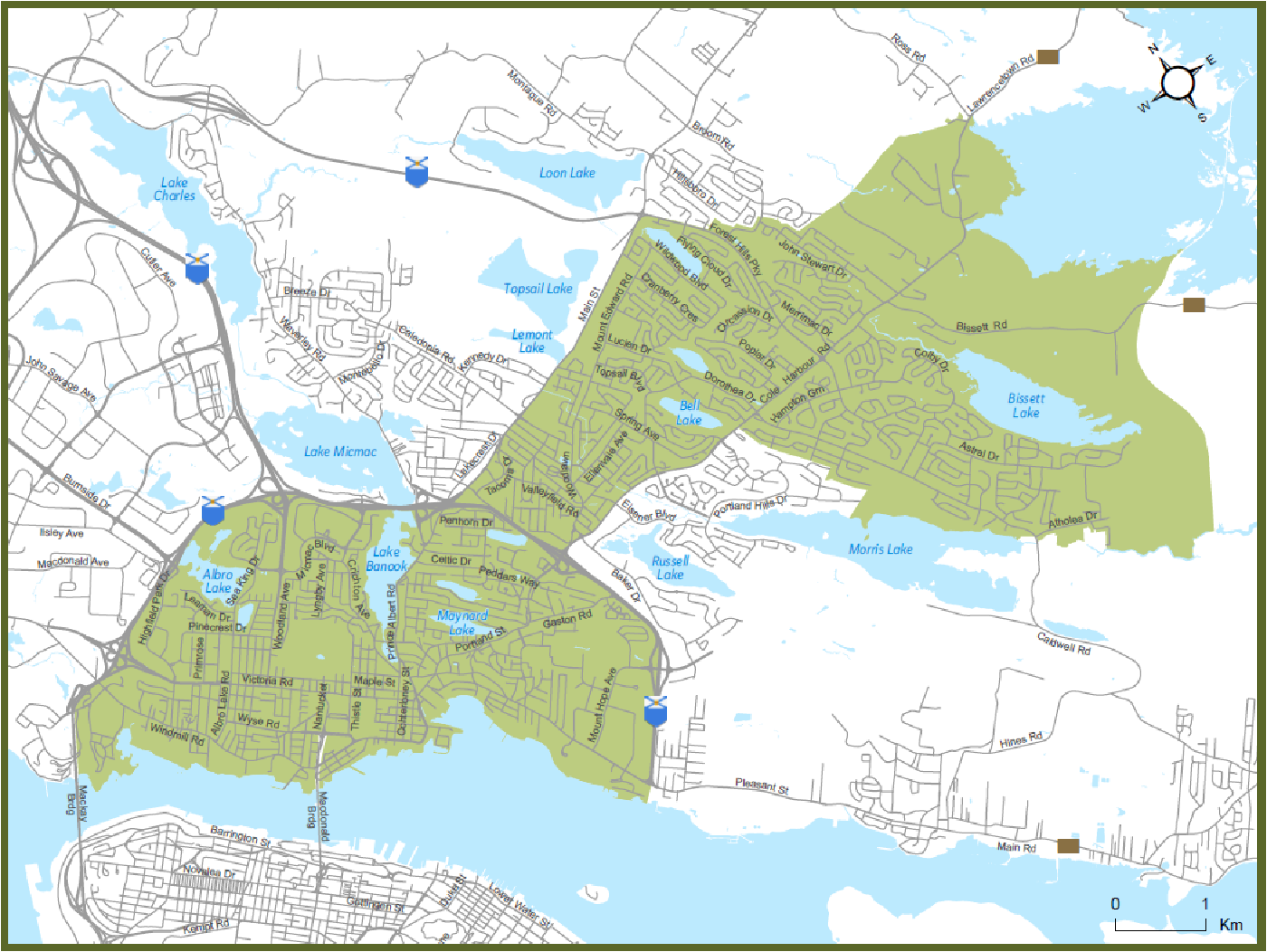
The Dartmouth service area initially included the area within Highway 111, as well as Woodlawn and Cole Harbour. In March 2026, the program expanded into Halifax’s North End, and in August of the same year, expanded to cover the entire Halifax peninsula.
“The initial service area was established after careful consideration of data from police and other allied service providers to inform the type and burden of calls,” CARE program manager Bamidele Bello told the Post.
Bello said the boundary also allowed the program to operate across both police and RCMP coverage areas, while maintaining a manageable geographic area for testing and evaluation.
Asked specifically about the portion of District 3 outside the service area, Bello said there was no separate reason that area was excluded. The same considerations used to establish the initial pilot area were applied.
Eligibility varies by location, situation
For people outside the CARE catchment area, the boundary can affect whether a mobile team is able to come to them.
211 Nova Scotia is the intake partner for CARE. Its navigators assess a caller’s circumstances and determine whether the request meets the program’s eligibility requirements.
For CARE, the person must be at least 16 years old, physically located within the pilot area and experiencing a non-emergency crisis.
Situations involving a weapon, a need for medical care or an imminent risk of suicide are referred to emergency services instead.
When someone calls from outside the CARE catchment area and needs in-person support, 211 can look for alternatives available in that community.
Alternatively, if a person outside the service area can safely travel into the CARE zone, 211 can arrange for the mobile team to meet them at a neutral public location, such as a landmark, park or parking lot.
Bello confirmed that there have been several instances where people outside the service area have travelled to a public location within the boundary to receive a mobile response.
211 also tracks requests for CARE that come from outside the current service area, providing the program with information about where people are seeking this type of response. CEO Darren Mastropaolo said requests have come from communities across the province.
The detailed geographic data is not publicly available because it involves confidential information.
Conditions for expansion
The CARE program is continuing to monitor and evaluate the pilot.
According to Bello, the decision about expanding the service area is informed by service data, community need (inferred by the amount and location of requests), and the operational capacity of the CARE team.
Mastropaolo said requests from outside the current service area provide information about where people are seeking this type of response.
“We’re tracking that data to hopefully, at some point, expand the program beyond HRM so that we can support people, especially in rural areas where services are harder to access.”
The municipality is using an independent evaluator to assess the program, with client feedback forming part of that process.
For now, Bello says the boundary remains in place.