
Dartmouth Comic Arts Festival brings a lineup of local heroes to the waterfront
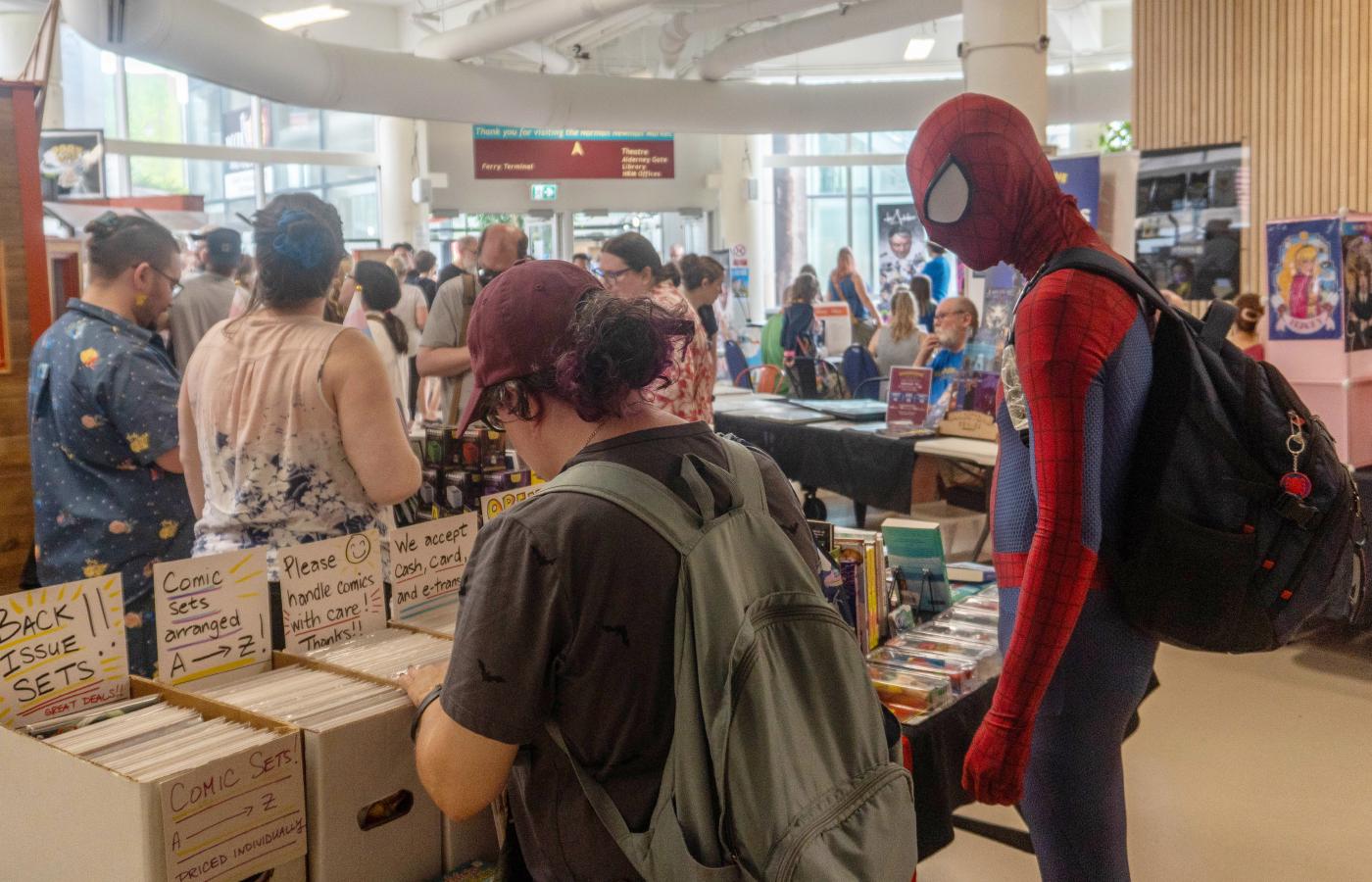
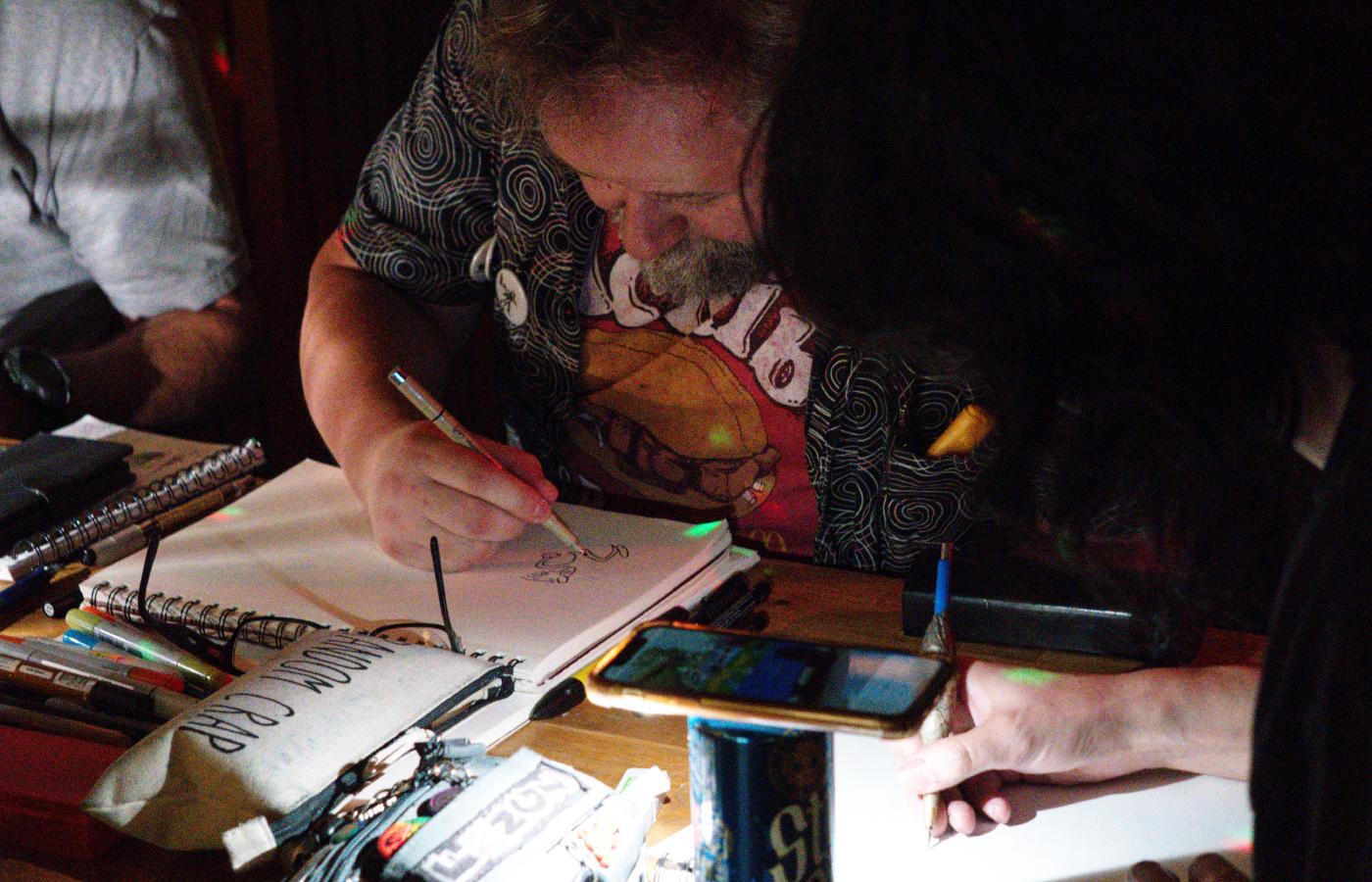
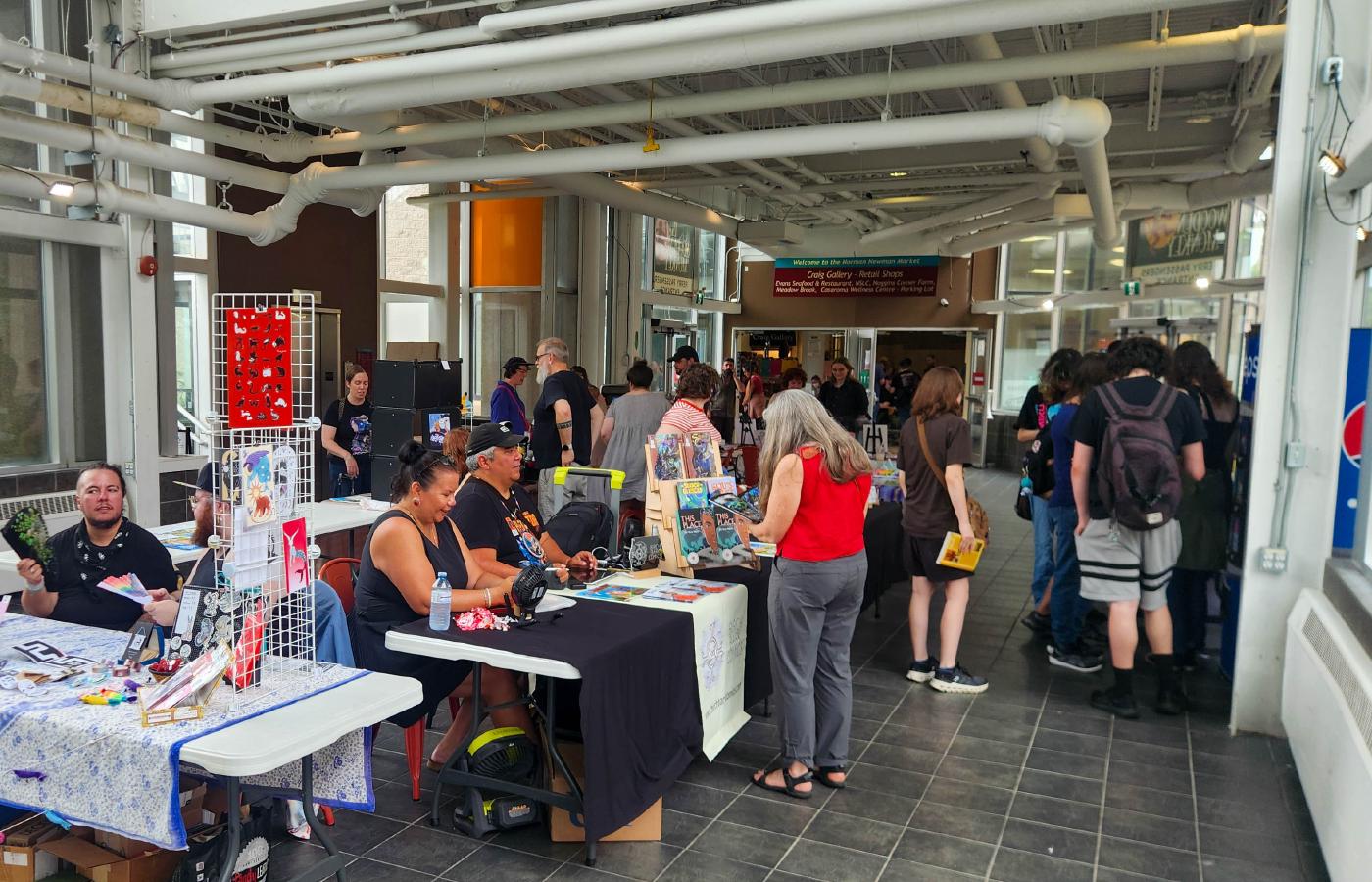
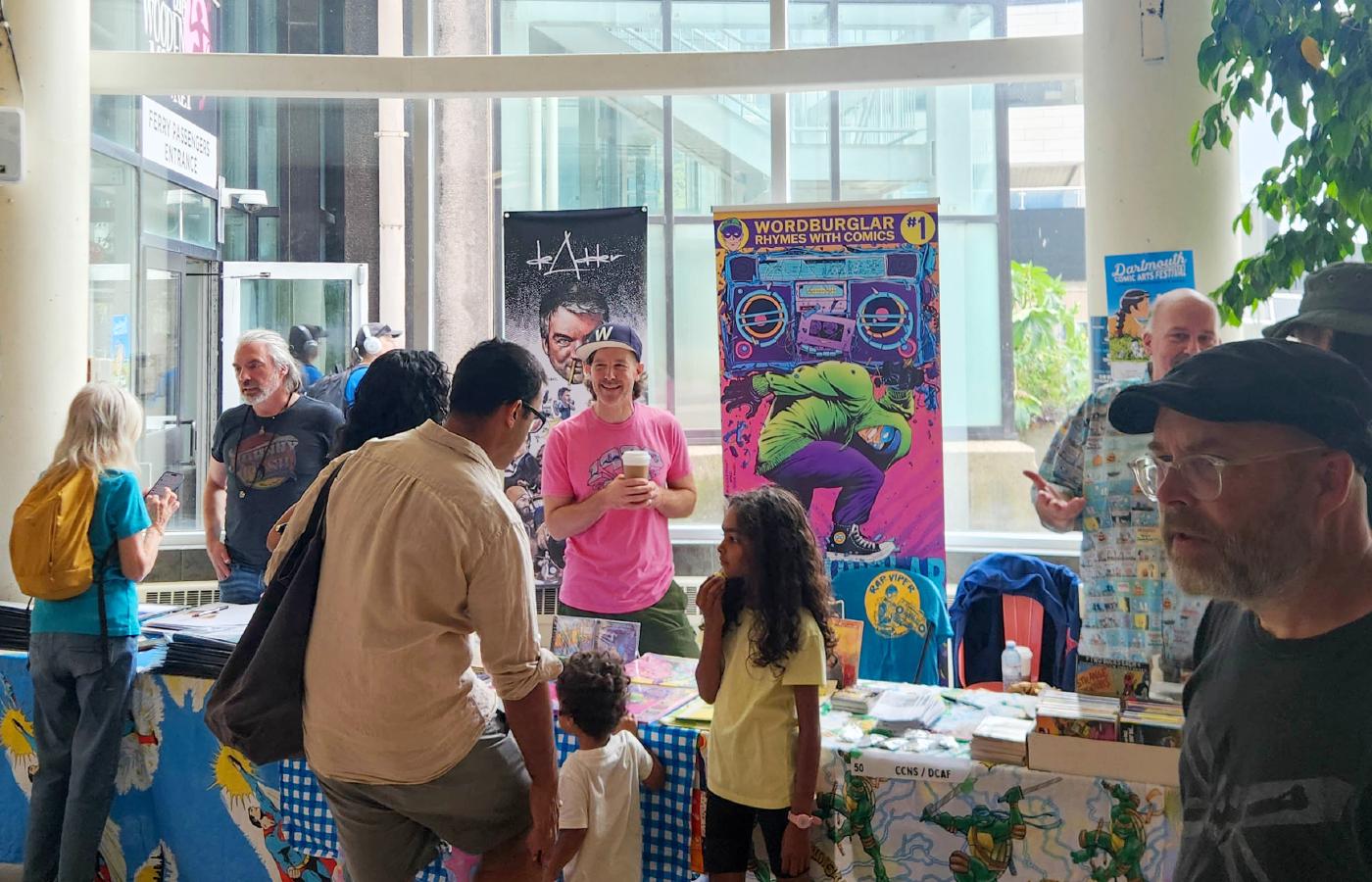
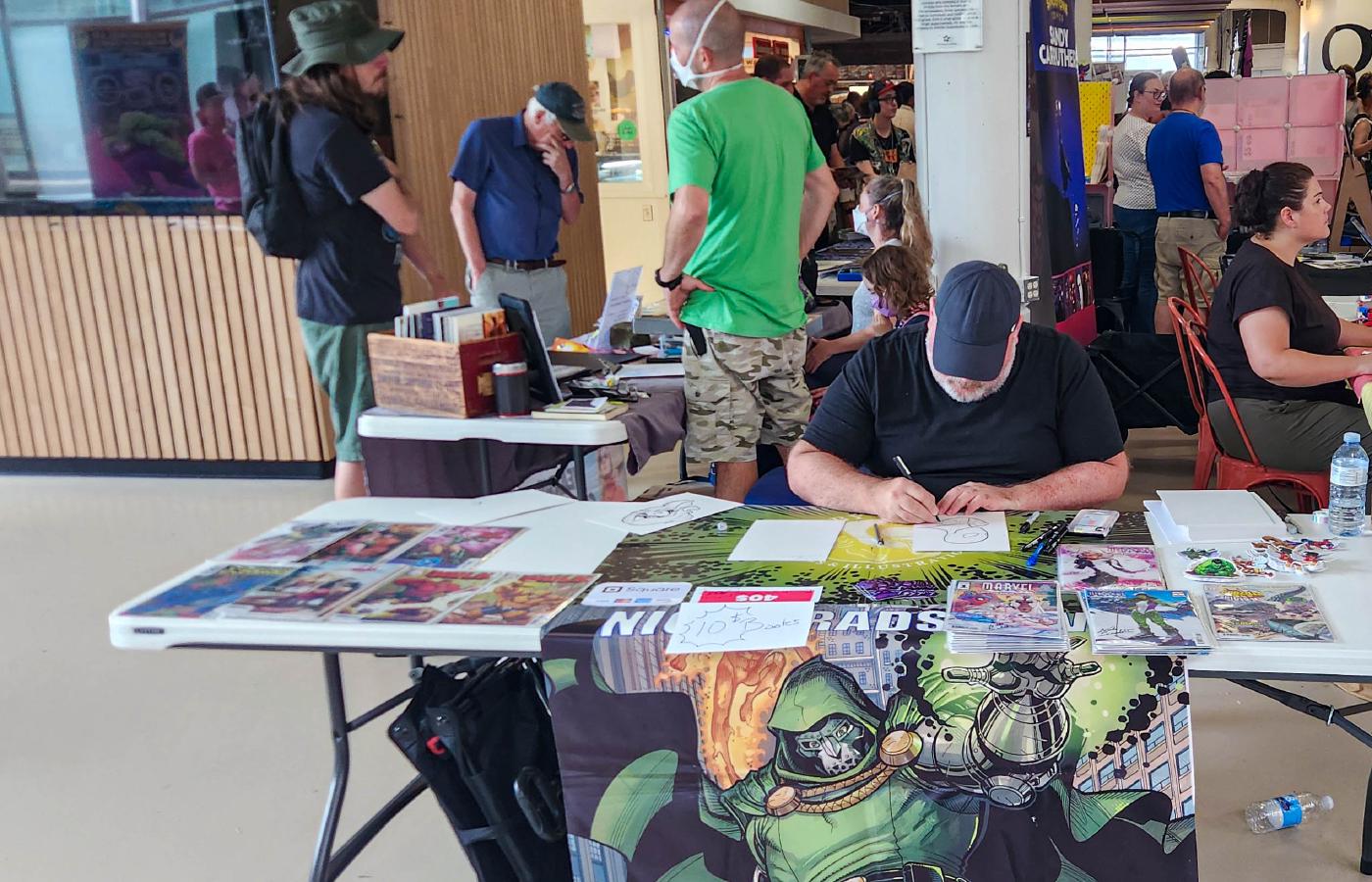
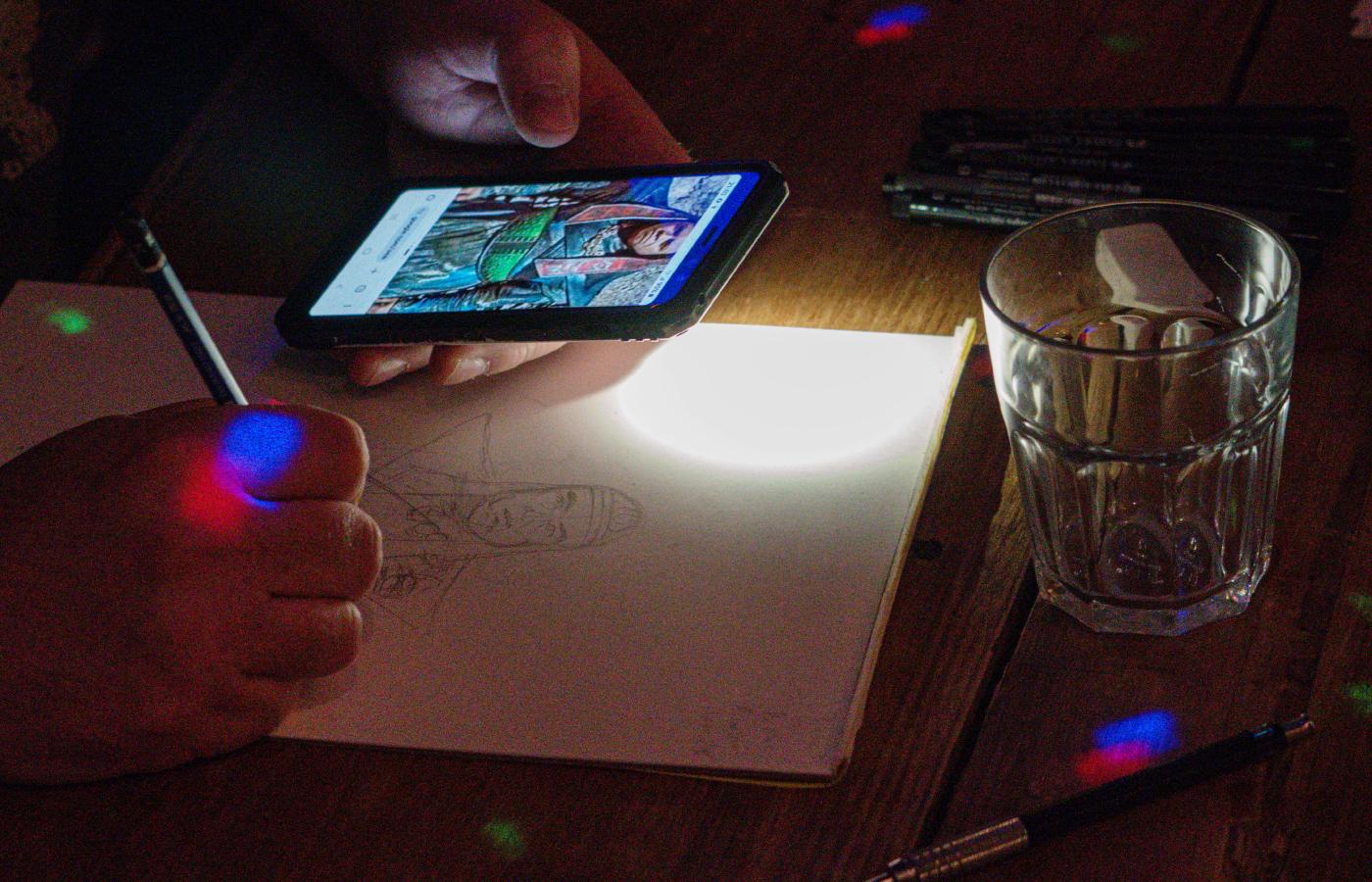
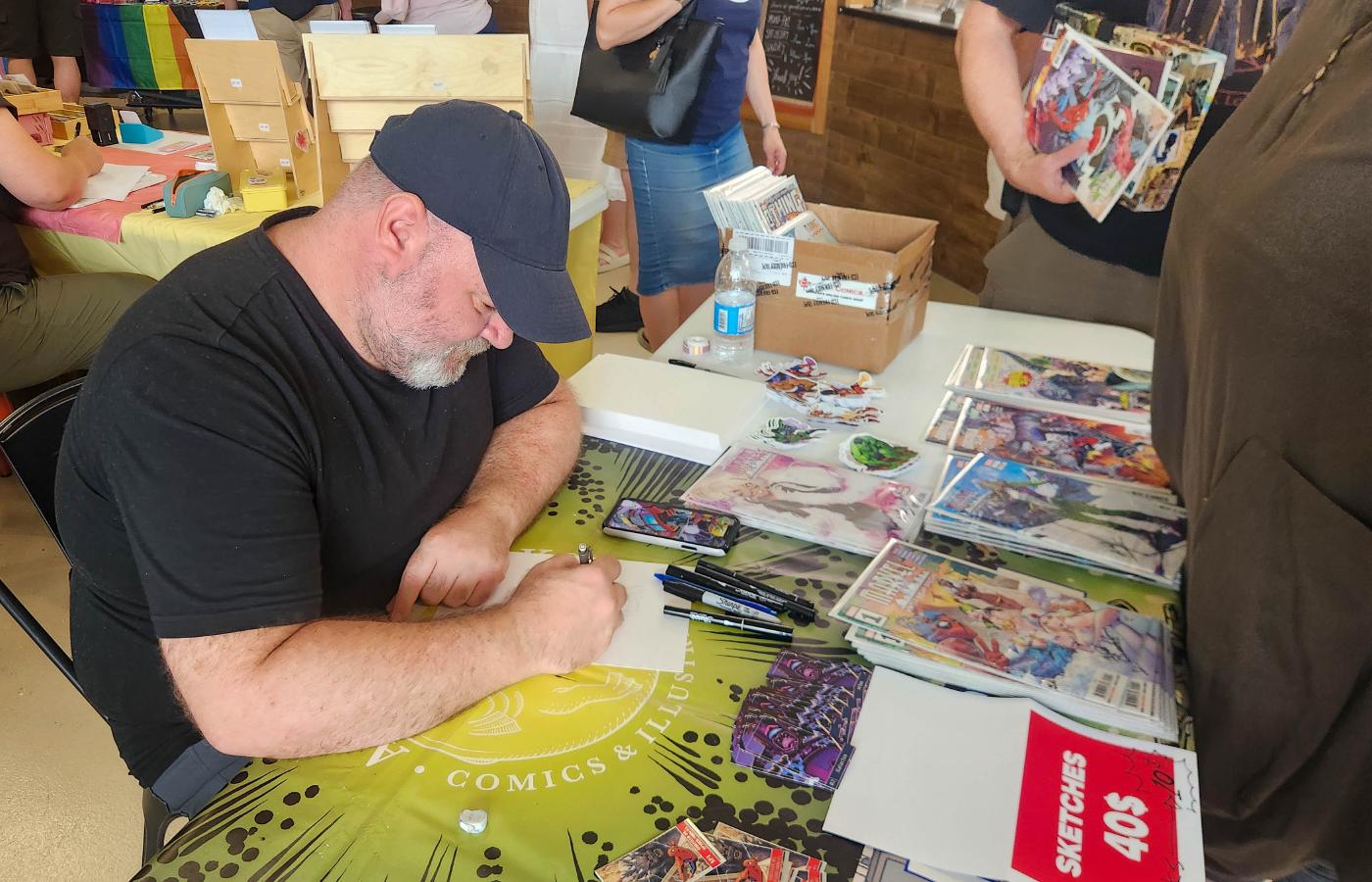
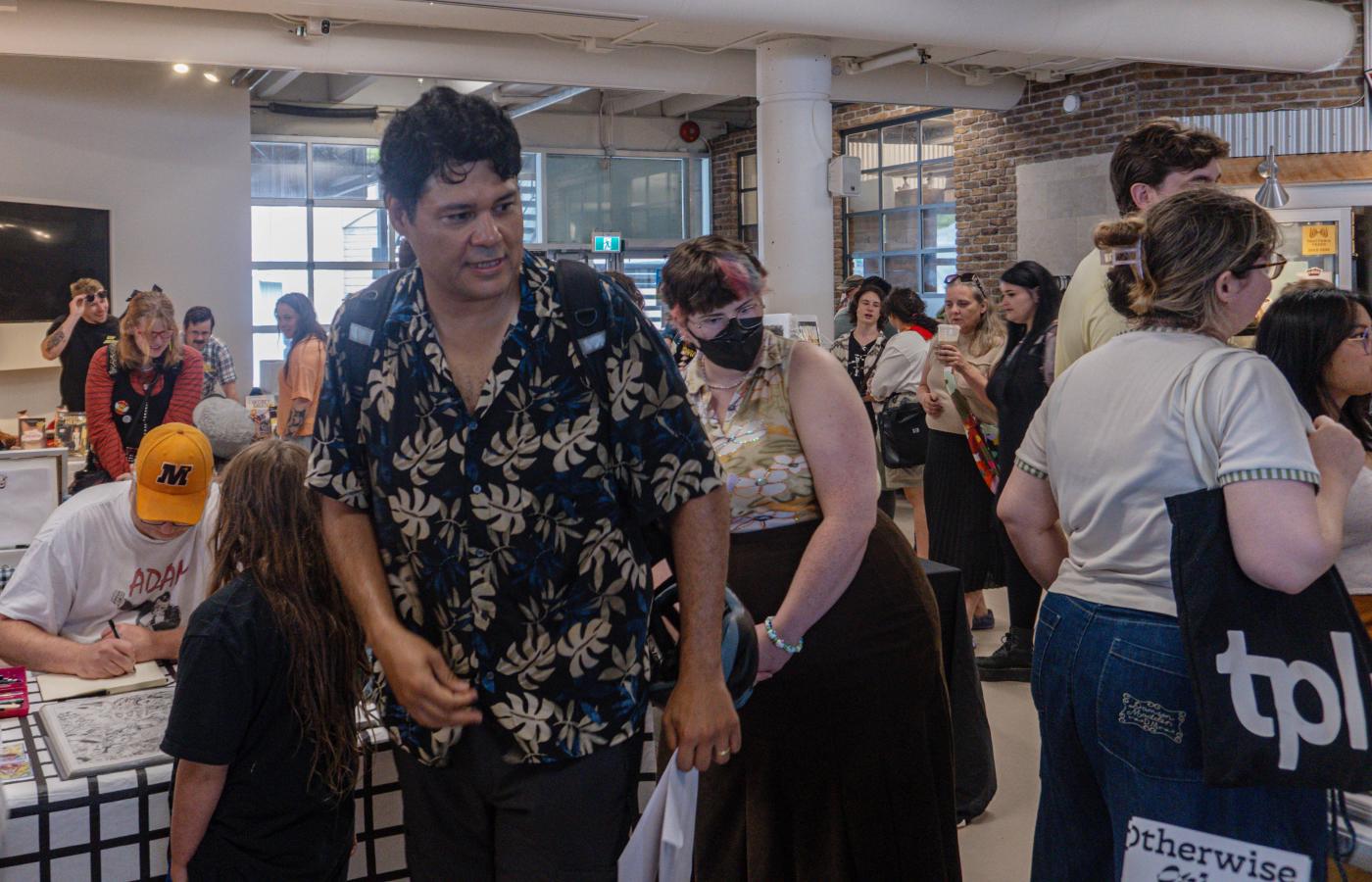
A super team of cartoonists, illustrators, and storytelling alter egos assembled on the Dartmouth waterfront last weekend for the 2026 Dartmouth Comic Arts Festival (DCAF). They were joined by an army of “true believers” who packed Alderney Landing and Alderney Gate Public Library for the two-day celebration of comics and cartoons.
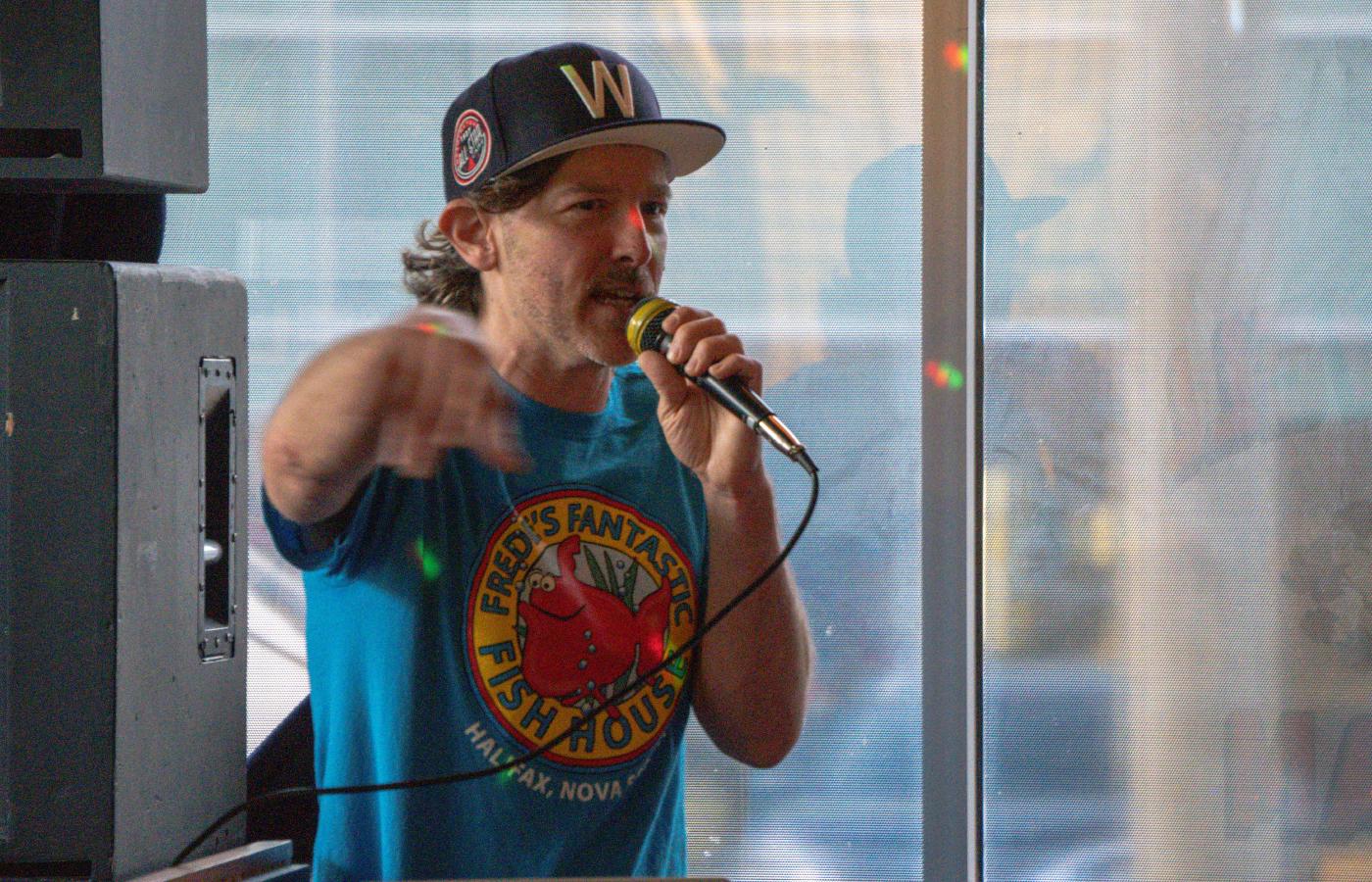
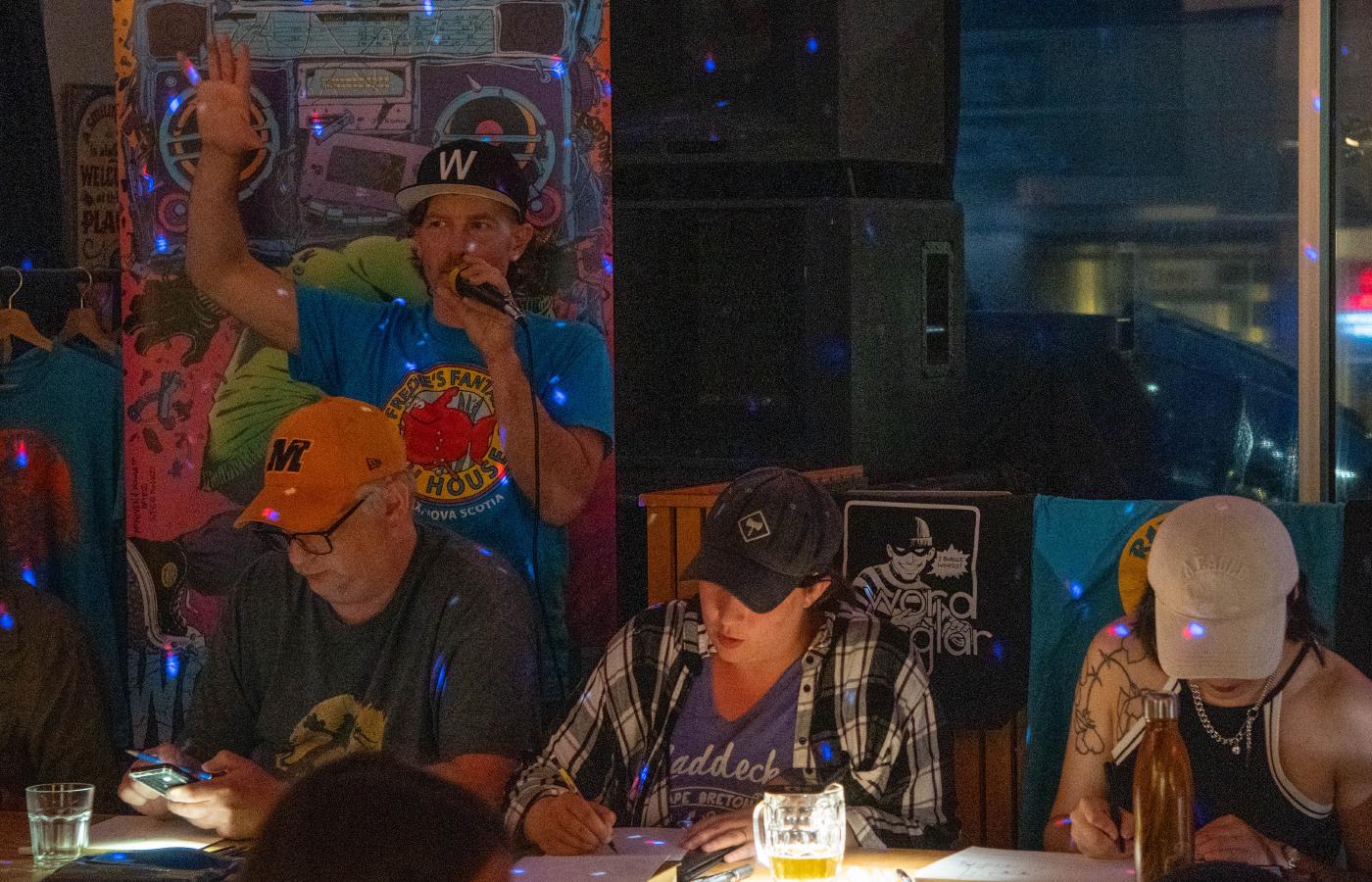
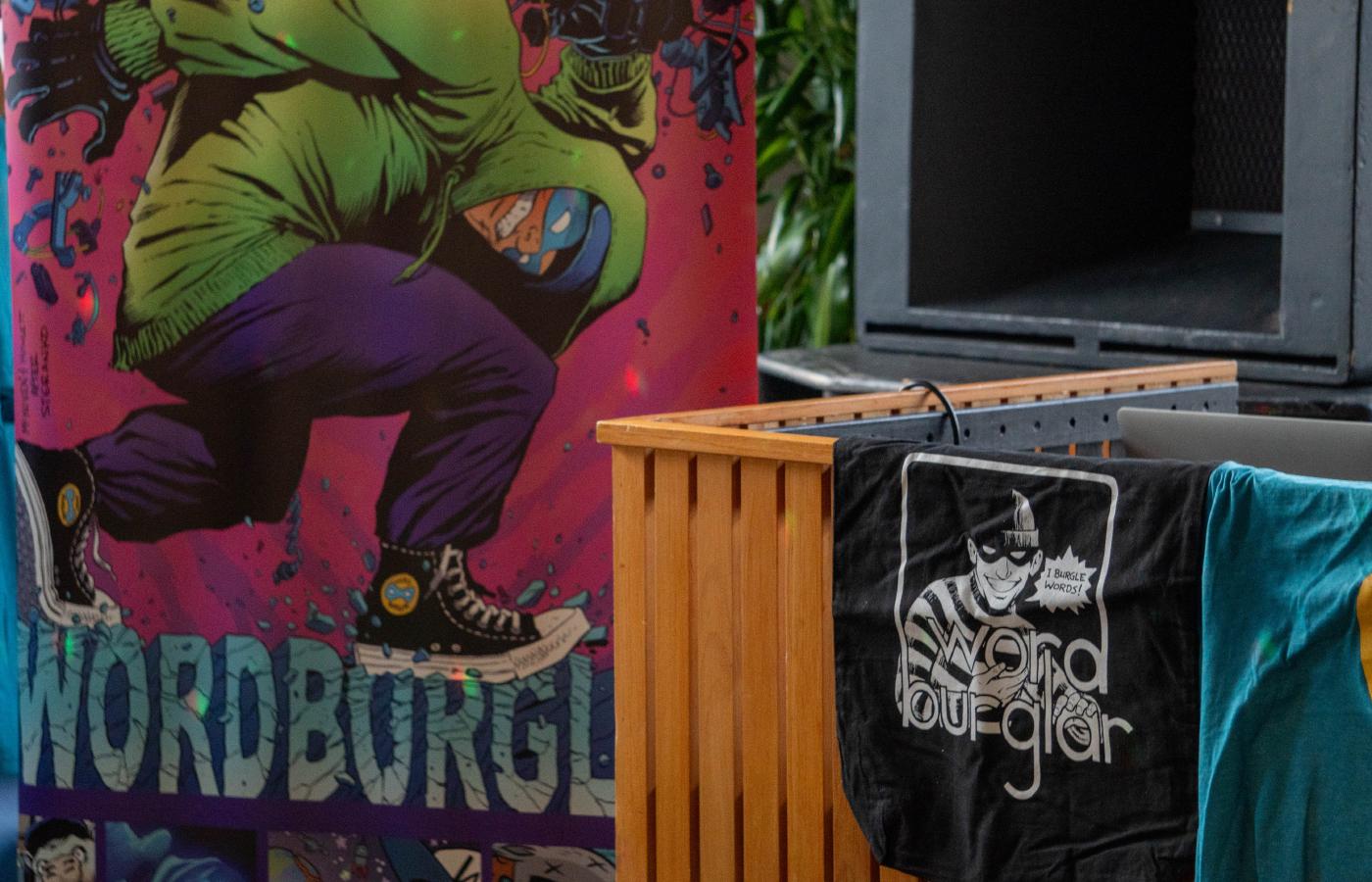
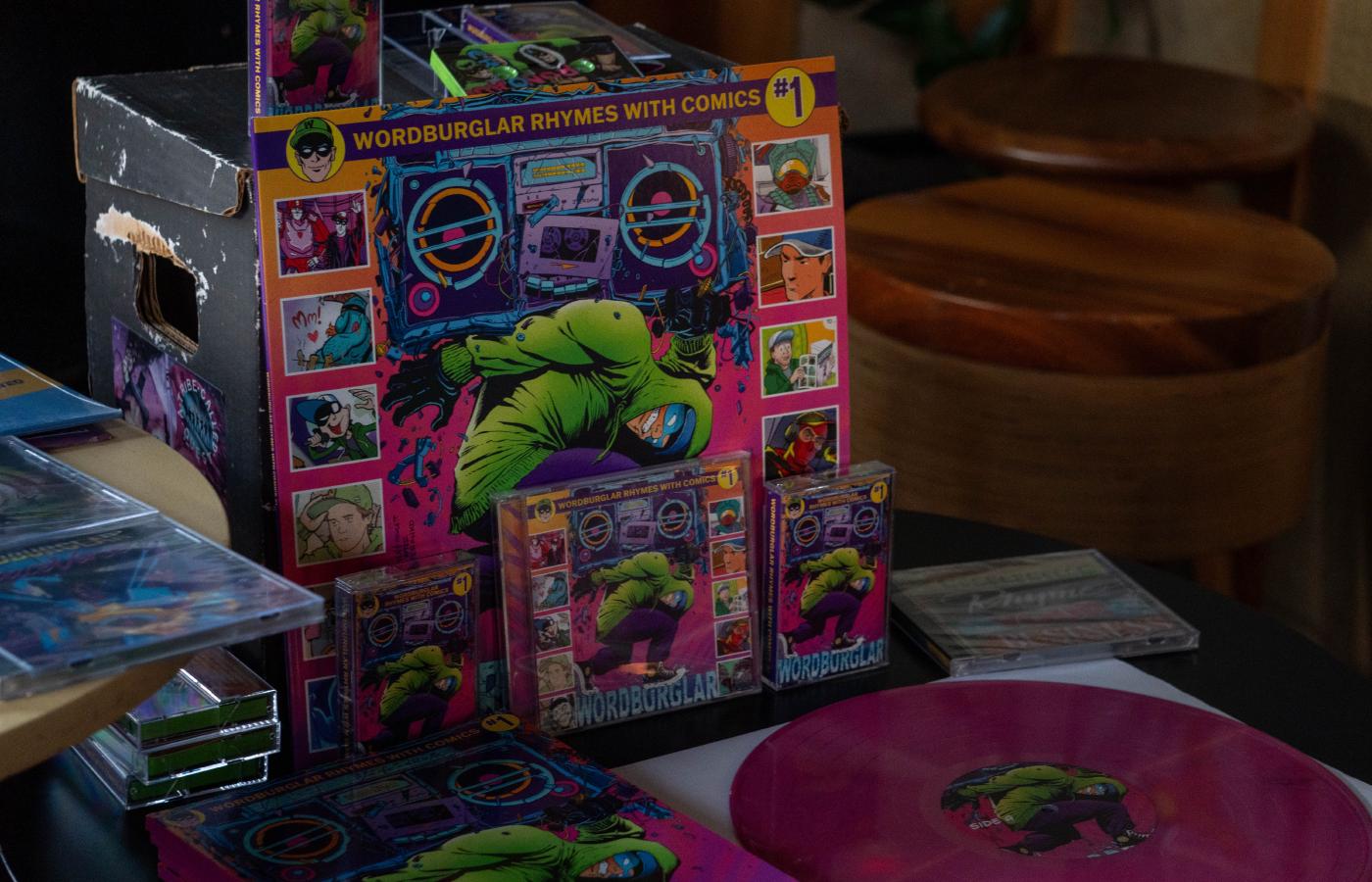
The weekend kicked off with a performance by multidisciplinary artist Sean Jordan, who’s better known by his stage name, “Wordburglar,” at Stillwell Brewing in Halifax. Jordan is a rapper, writer, comic book creator, and voice actor who crowdfunded his most recent project, Wordburglar Rhymes with Comics #1.
“I’m writing the rhymes and writing the comics, and I’m working with incredible talent,” Jordan tells the Post. “I’m thrilled that I’m able to work with over 20 different incredible artists to illustrate my comics and songs.”
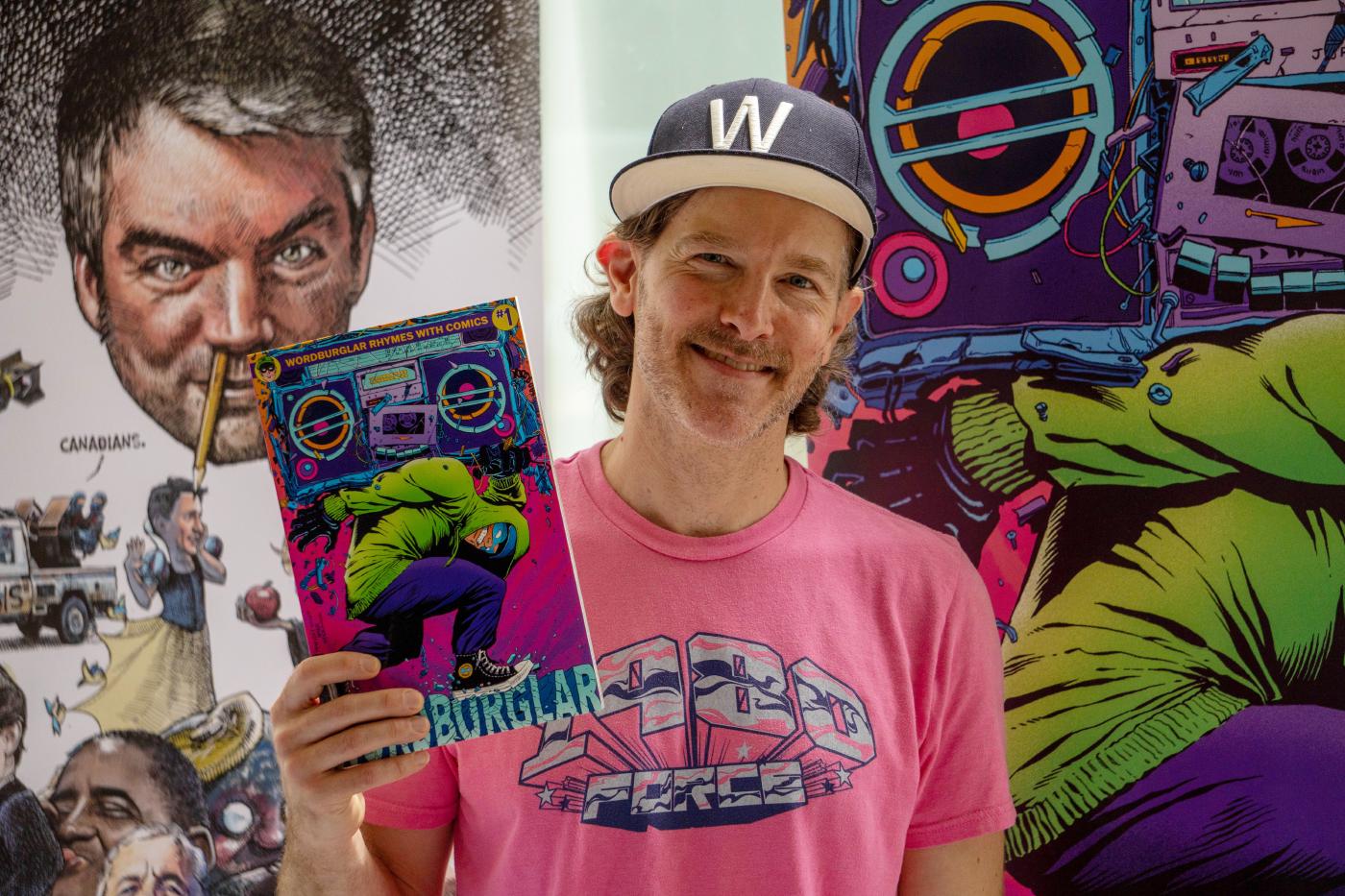
The result of Jordan’s collaborations is a unique multimedia experience. Wordburglar Rhymes with Comics is a comic book with an accompanying hip hop album. The “wordburgled” lyrics merge with the art panels to create an analog, music-video-like experience that bounces off the page to the rhythm of the beat.
“Every time we get a new page or a new song finished, it just feels awesome, and I’m addicted to it,” Jordan says. “That’s what I’ve been doing for 20 years."
Jordan says DCAF started with a love of comics and a hunger to expose local creators who’ve been making comic books and cartoons for decades.
“It really traces back to Strange Adventures,” Jordan says. “I worked at that shop in high school and it was more than a comic shop, it was a community hub for artists across the Maritimes.”
Strange Adventures Comix and Curiosities opened its first location in Fredericton in 1992. It’s second location opened on Sackville Street in Halifax in 1994 before moving to Prince Street.
Strange Adventures Dartmouth, the “sidekick store to Canada’s Oddest Comic Bookshop,” opened on Portland Street in 2010.
Calum Johnston, the owner of Strange Adventures, is a big presence in the region’s comic book community. He started DCAF in 2012, and he’s organized the festival ever since. It started, almost by accident, the year after he was involved with another Canadian book and magazine festival, Word on the Street.
“They were trying to do something in Dartmouth,” Johnston says. “We’d been in Word on the Street for several years and we fully agreed.”
There was a mix up and Strange Adventures was the only vendor who showed up, he says. “They didn’t even advertise that Word on the Street was happening in Dartmouth. It was a real sh*t show.”
With twenty-four hours notice, Johnston assembled a team to save the day.
“I called up a whole bunch of people I knew who were comic cartoonists, illustrators,” he says. “I told them to bring their stuff, and we set up on the day and every half hour there was a ton of people who came through on the ferry who were just completely surprised. It wound up being a really good turnout because it’s a great venue. That gave us the idea to start up our own comic book festival.”
DCAF has been bringing creators and vendors back to Alderney Landing in August every year since. There are larger science fiction conventions in the region, but Johnston says the festival is distinct.
“I always describe it as a scholastic book fair, but with way more makers involved,” Johnston says. “We’re set up like a farmer’s market, except instead of vegetables it’s artwork."
It was also important to make the festival free and accessible, he says. “Just spend what you want at the tables. Support a local artist. Get something cool."
Johnston says DCAF’s success may have even inspired Alderney’s Sunday market. “They saw people were willing to come out for this location."
The festival has expanded to add Saturday library programming, including workshops and panel discussions. A Friday kick-off party was hosted by Wordburglar, who shared both sides of his secret identity at DCAF: performer Friday and vendor Sunday.
“I’ve been making comics and music since junior high,” Jordan says. “Mixtapes, songs, stories, illustrating my own work. To me they’ve always gone together.”
The Post spoke with several artists and vendors who participated in DCAF 2026. Their interviews have been condensed and edited for clarity.
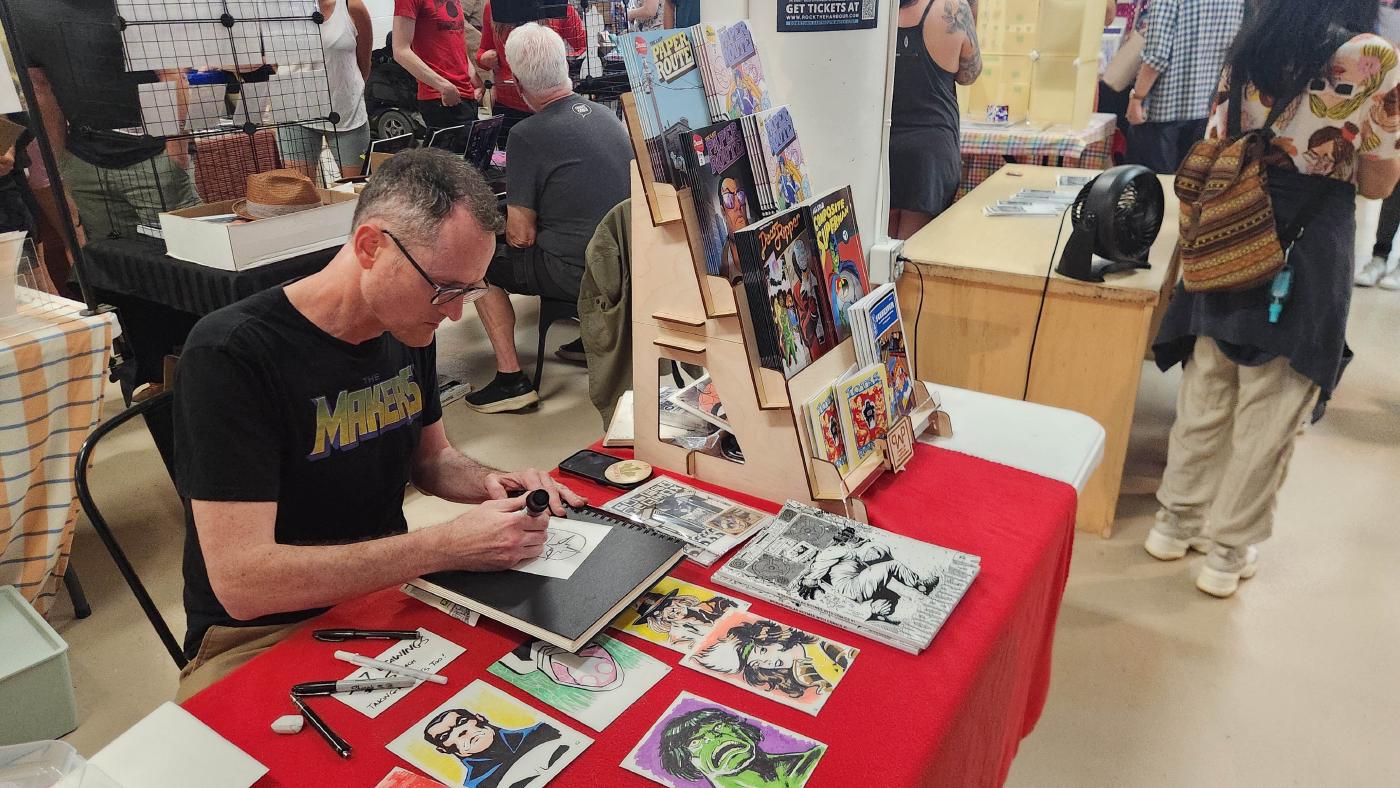
Dave Howlett, cartoonist and contributor to Wordburglar Rhymes with Comics #1
What he was doing at DCAF: working with Strange Adventures and selling his own comics
Dave says: “It’s free, which is huge. It invites everybody to come by. And it’s strictly comics. A lot of conventions get into video games and toys and that kind of thing; this is a comic show for comics. Being right on the waterfront helps too. We get people coming straight off the ferry.
“I don’t know what it is about this community, honestly — something in the air, something in the water. We’ve got a really robust group of people already here, and we see a lot of professional artists move here and stay. It’s a welcoming environment, or maybe it’s just the sea air. I don’t know, but whatever it is, it’s working.
“Dartmouth’s just got its own vibe. I think a lot of people trace it back to Two If By Sea opening. That’s when Dartmouth started to feel cool, kind of like Brooklyn to Manhattan. It’s got its own thing going, and this festival is part of that.”
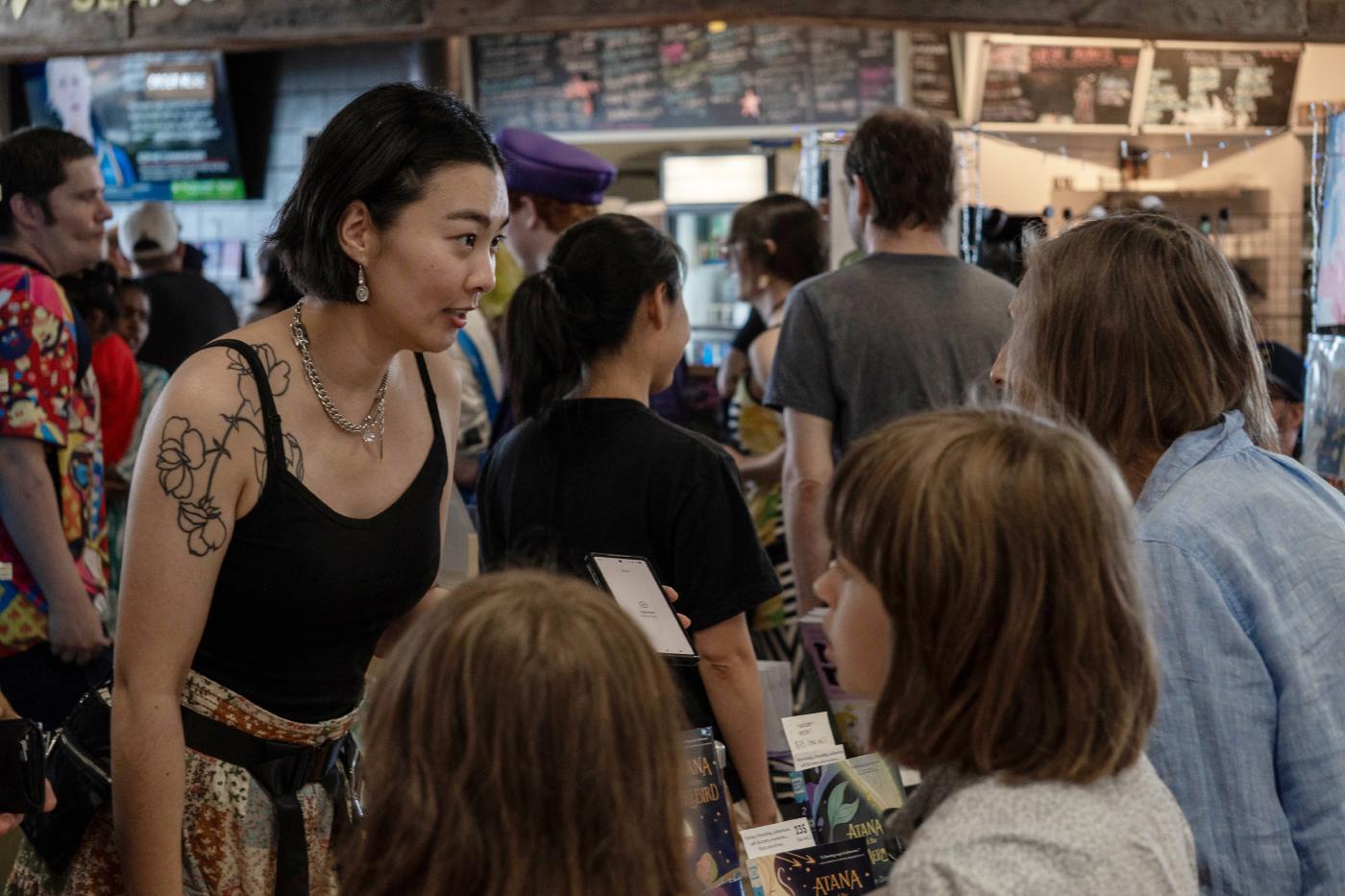
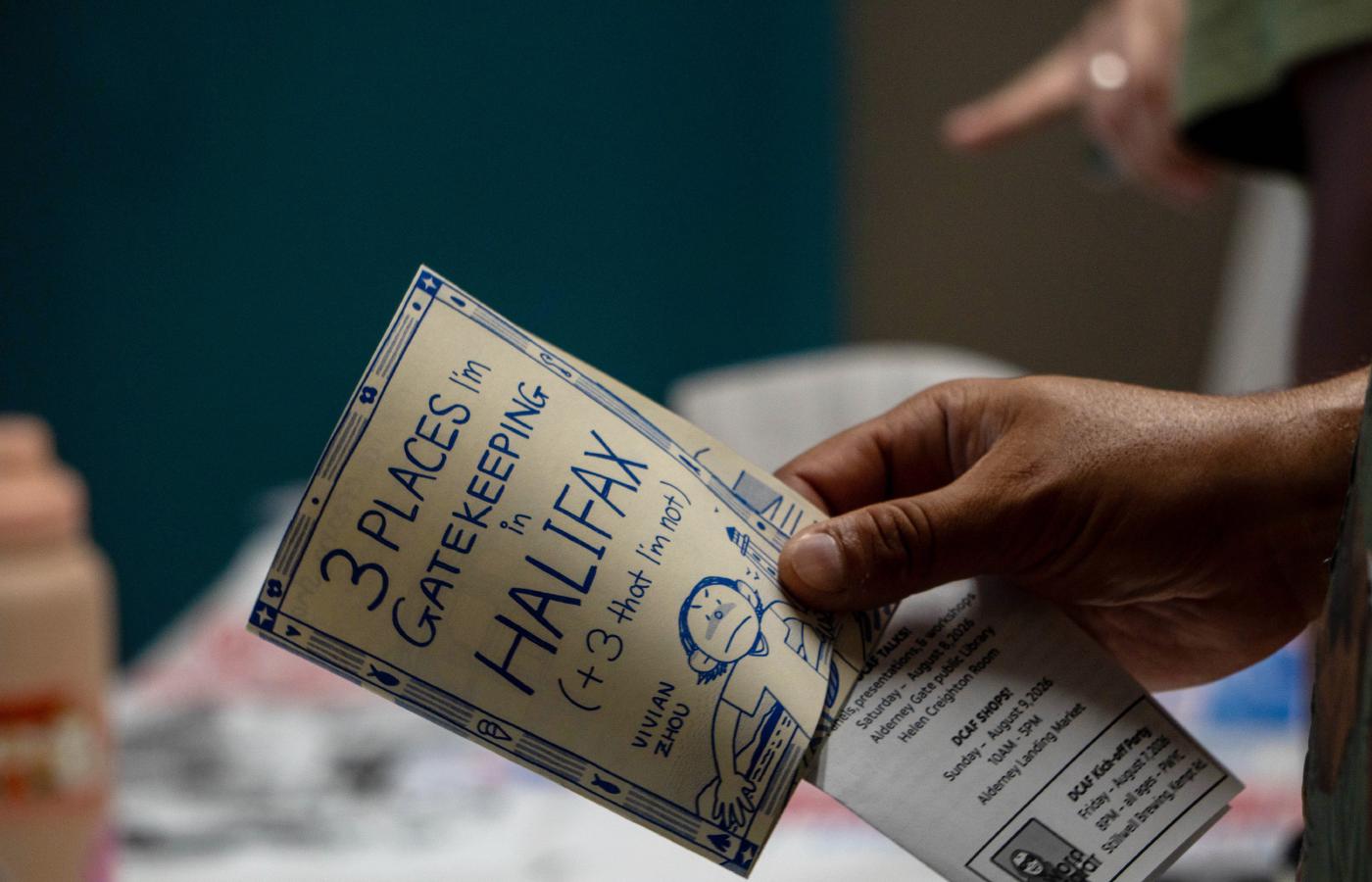
Vivian Zhou, cartoonist and illustrator
What she was doing at DCAF: organizing presentations through the Comics Creators Society of Nova Scotia and selling books
Vivian says: “The society is a non-profit that exists so we can pull together workshops, panels, and community events like this. It’s entirely volunteer-run. We mostly work for DCAF. For this event.
“I make graphic novels, most of them middle grade, with a new one coming out next year, and I also do illustration work and I like tabling at comic fairs.
“Something like DCAF is hugely important for artists and for a city. Every good city should have a festival where local artists can connect with each other and with an audience. You never really know how much talent is around until an event like this brings it out. A lot of the credit goes to Callum and Strange Adventures for building this up over the years.”
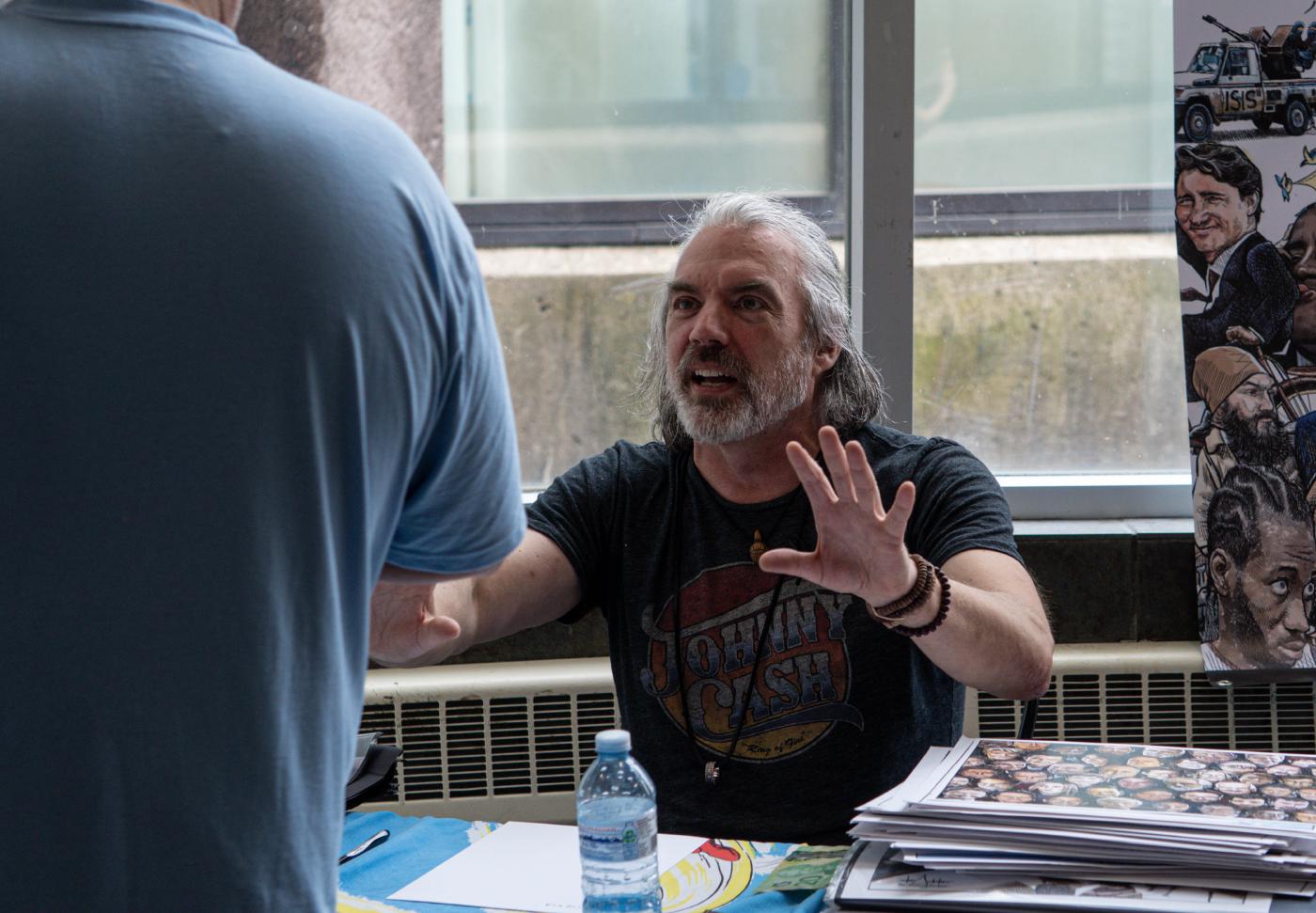
Michael de Adder, editorial cartoonist
What he was doing at DCAF: tabling and talking with readers
Michael says: “This is probably my sixth time at this festival. I keep coming back.
“Anything that puts a spotlight on artists is good for the field, whether that’s picture books, graphic novels, or editorial cartooning. Getting your voice out there online is hard. But when you physically go and talk to people, it’s a completely different experience. I’ve had people I’ve only talked to online come up in person, and their excitement is just a different thing entirely. A much more significant kind of connection than what you get through a screen.”
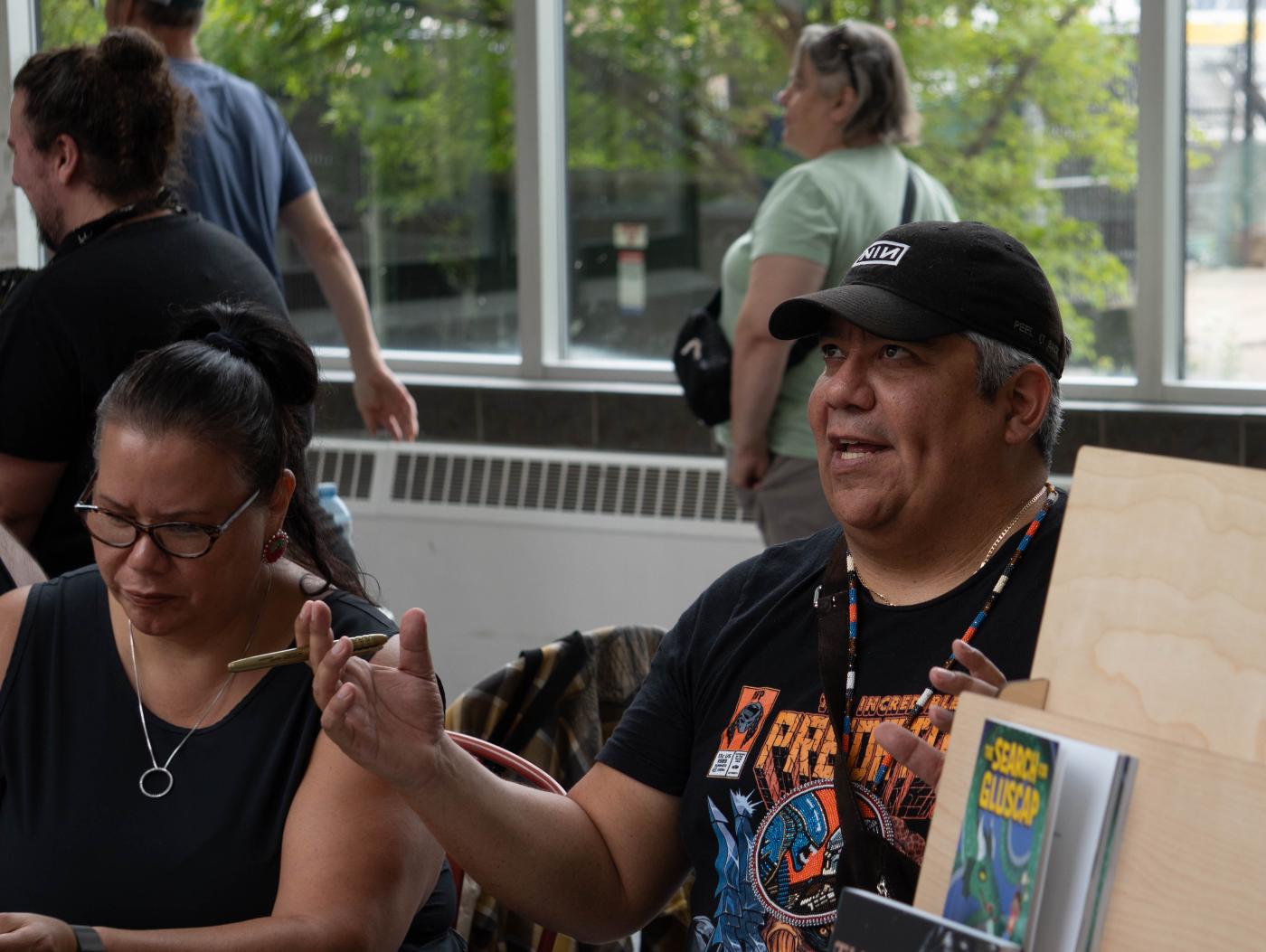
Brandon Mitchell, Birchbark Comics
What he was doing at DCAF: helping run the Birchbark Comics table
Brandon says: “Birchbark Comics came out of a kind of cultural necessity. About 25 years ago I graduated from an animation program and took a job teaching art and technology in my community. I wanted to give the kids something I never had; a mentor, someone to show me how to draw.
“At one point I wanted to do storytelling with them and brought up Glooscap, and the kids didn’t know who that was. That hit me. I had to try to fix that. I told them a story based on one of our legends and had them write their own endings, and one of them asked, ‘Well, what’s your version?’ That’s what got me started.
“Eventually a publisher came back to me and asked what I wanted to do, and nobody had asked me that in 20 years. That led to a project revisiting about 150 years of our community’s history from our own perspective. I wrote about the 1981 salmon raids, and went to my mother-in-law, who’d been a band manager here at the time, for the ground-level story that never really got told that way before.
“Events like this matter for the outreach and for the satisfaction of knowing your work is actually landing with people, not just going out into a void. And for us it’s also about representation. If you look around, there aren’t a lot of other Native creators in these spaces. It matters to be visible here for kids coming off that ferry walk, especially if they’re Indigenous.”
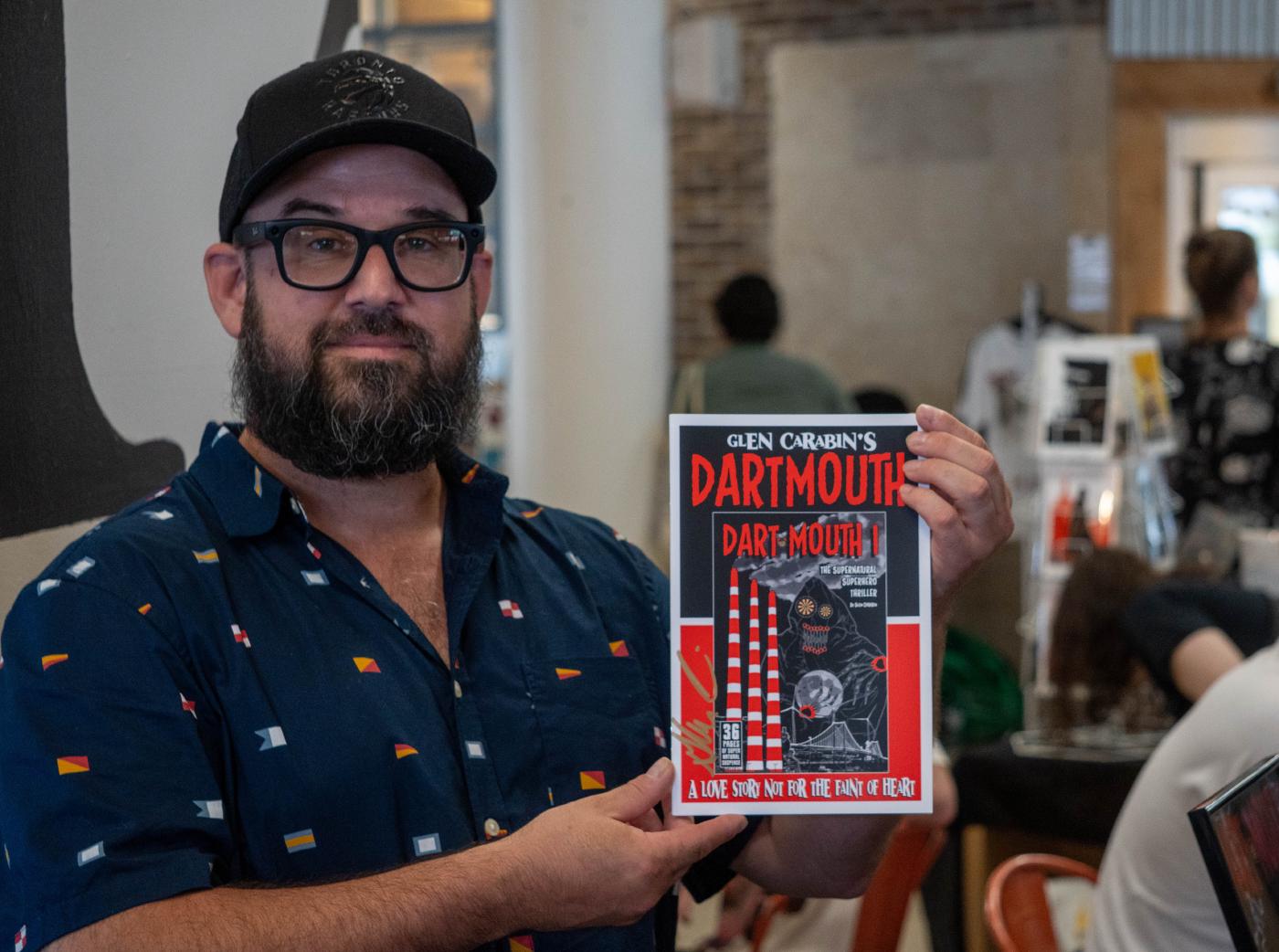
Glen Carabin, comic creator (DART-MOUTH)
What he was doing at DCAF: selling his photo-based comic book (named for the city)
Glen says: “I’m not a traditional pencil-and-ink artist. I had an idea for a character that wouldn’t leave me alone, so I taught myself Photoshop and built the story out of photographs instead. It’s a subgenre of comic book art from Italy called fumetti, using photographs to tell a narrative story.
“Getting into the traditional comics community happened because of these books. Once I started showing them around, I met real comic creators, and eventually a publisher. Sandstone Comics put out a couple of stories I wrote that were illustrated by a traditional artist.
“Recently I got into a curiosities exhibition in Halifax and my book did better there than at any comic show I’ve been to. A Hollywood prop maker from Stray Dog Studios, Kelly Anderson is her name, she read my book and suggested we team up to make sculptures and puppets of him to premiere at a table at Hal-Con.
“I gave myself one rule: every photo had to be one I actually took myself, no downloading images. So all the landscapes are real Dartmouth landmarks; the bridge, the cemeteries — and even a bit of Halifax crept in.
“Every city like Dartmouth or Halifax already has pop-culture shows. What this festival does differently is focus specifically on comics, comic art, and local artists and every table here is full, with people constantly moving through. This is a show for people who create because they love it, and it gives them somewhere to aim for.”
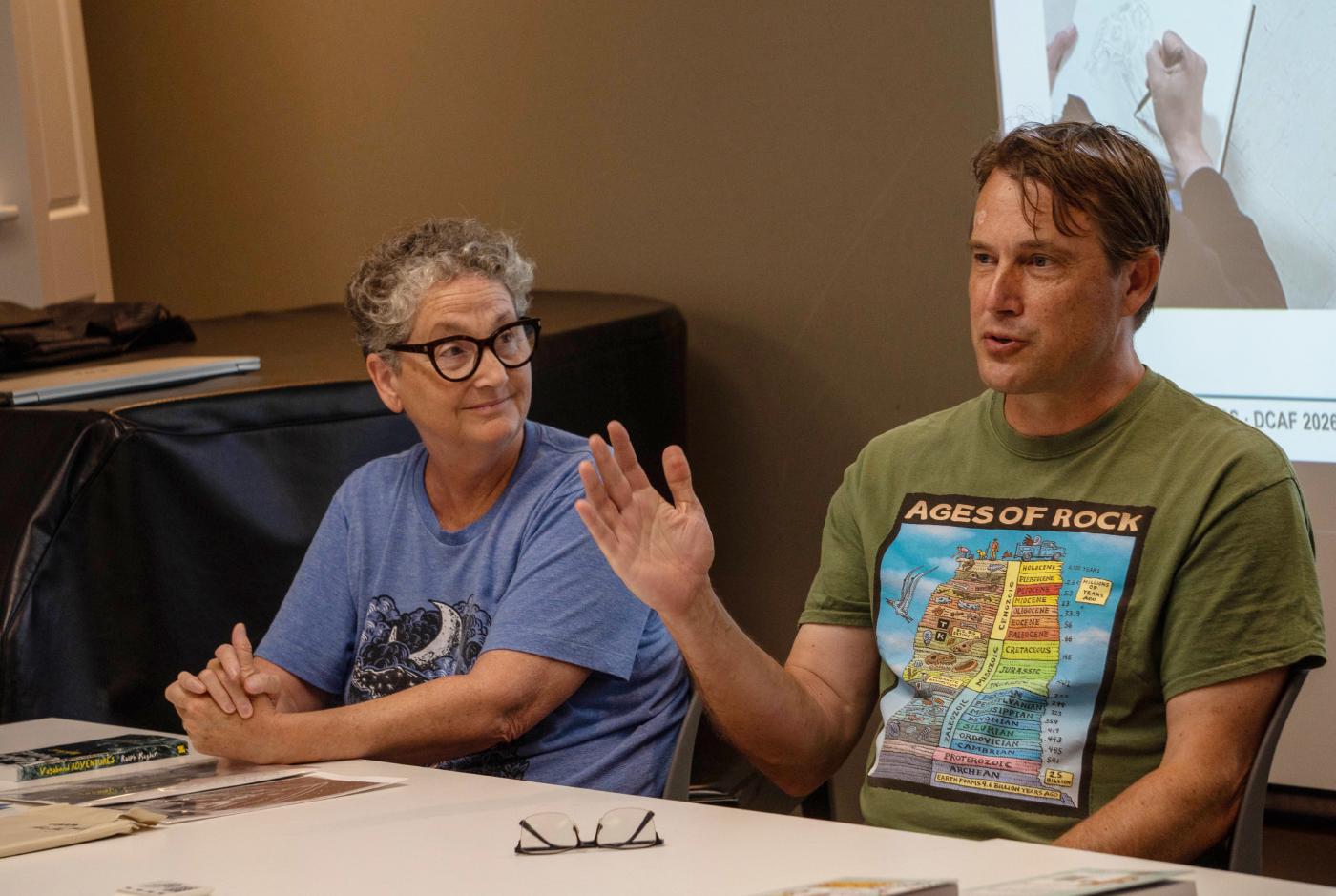
Tim Fedak, curator of geology, Nova Scotia Museum
What he was doing at DCAF: speaking on a panel connecting museum science with comic art
Tim says: “A festival like this is really valuable for connecting the comics community with museum resources and scientific research. It helps those stories reach a broader audience. Dartmouth is such a historically rich place, going back to the 1740s, with museums just down the street. The Quaker Whalers’ House, the Dartmouth Heritage Museum. There’s a lot of opportunity for a group like this to immerse itself here.
“I wouldn’t call myself an artist in the traditional sense, though I use drawing, photography, and sculpture in my own work, so I think the art-versus-science dichotomy is a bit overblown. Science is really just about how you test your ideas. What I try to promote is the value of observational drawing. A lot of comic art leans fictional, and there’s real power in drawing from life. It can still inform the fictional work.”
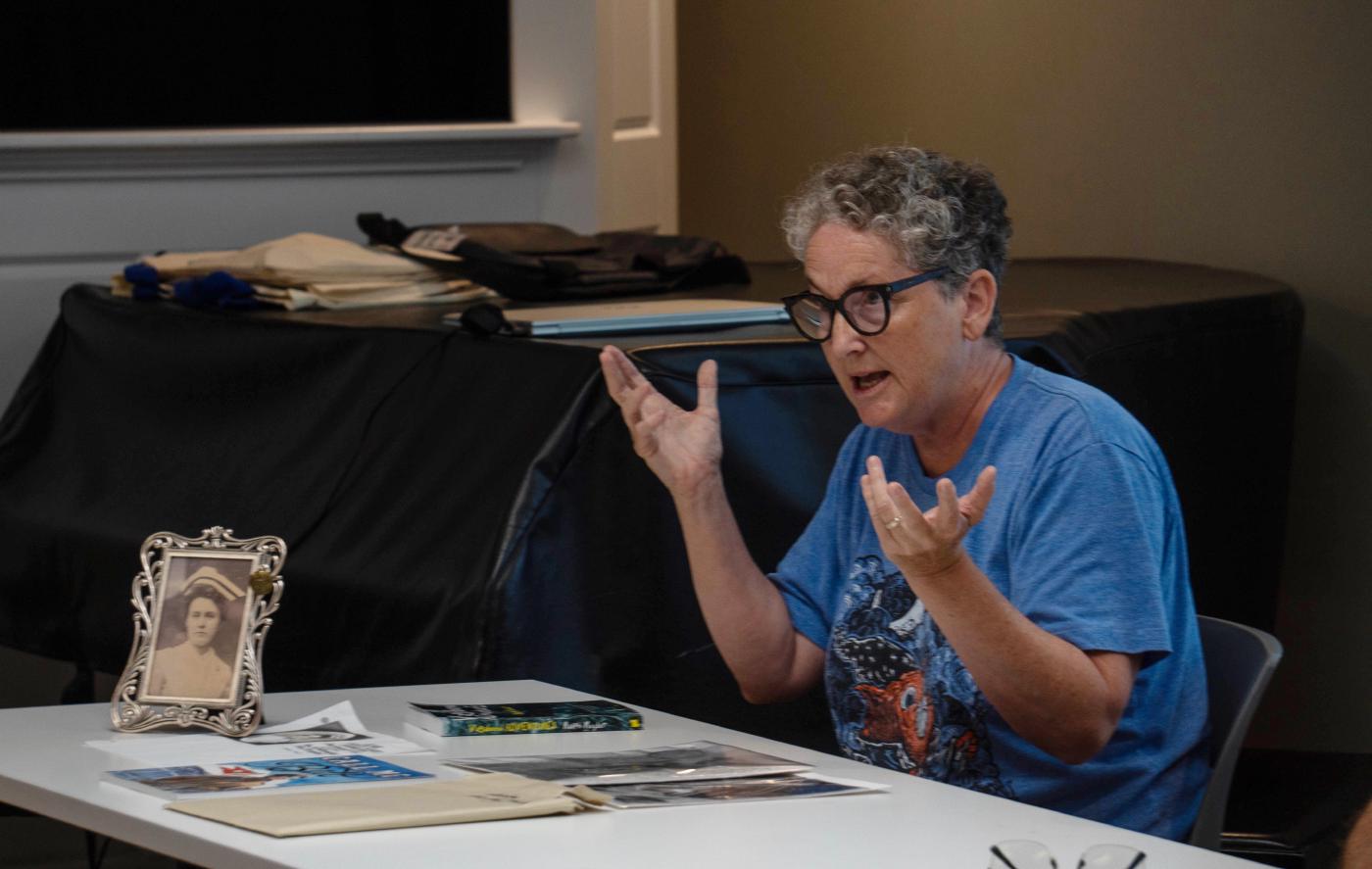
Lynette Richards, graphic novelist
What she was doing at DCAF: signing books and talking with readers between panels
Lynette says: “My second graphic novel is coming out soon. It’s about a nurse from Dartmouth serving in Flanders during World War I, paired with the story of the Halifax Explosion happening back home at the same time.
“This is my third time doing the panels and workshops day here, and it keeps getting better. There are more people attending, great questions from the audience.
“People who gather at festivals like this tend to be sensitive, thoughtful people, and there aren’t a lot of places where we find each other. I think Dartmouth’s festival might actually be the biggest one of its kind in the Maritimes outside of Montreal. Halifax and Dartmouth together represent a big population and a lot of creative energy. We’re great at being creative out here, and we need a place to show it.”
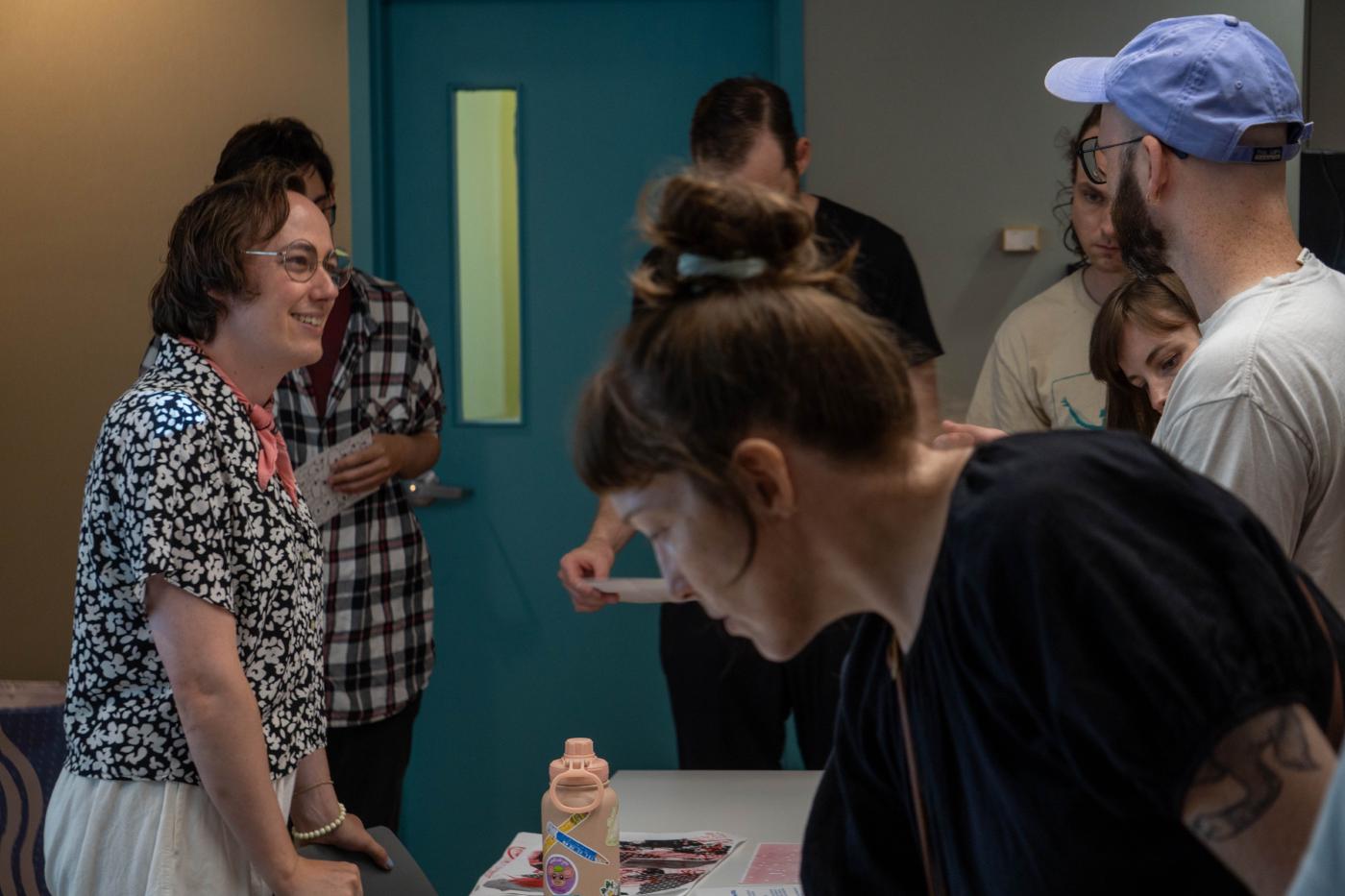
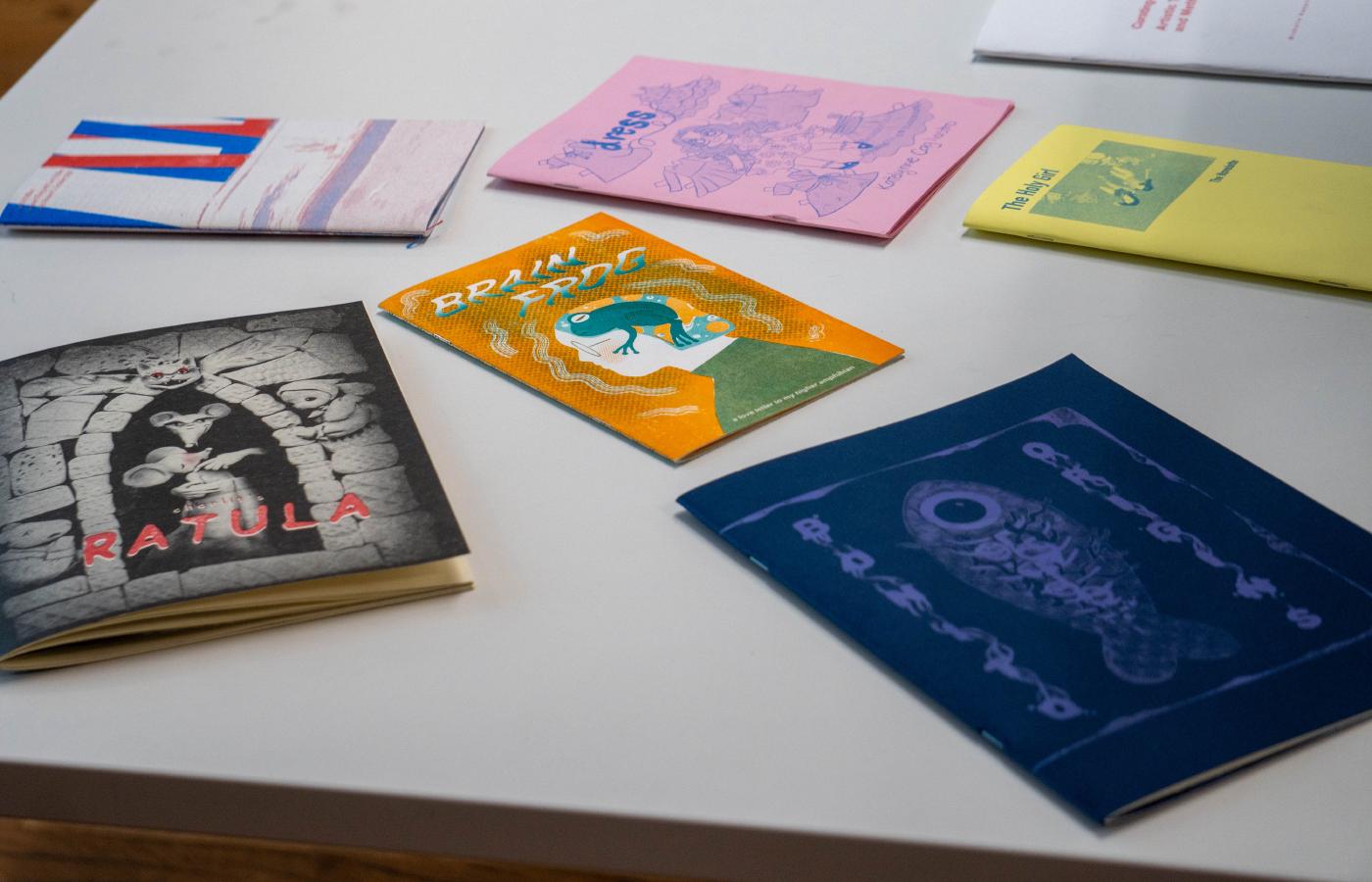
B. Mosher, artist/owner: Be OK Riso
What they were doing at DCAF: running a risograph printing workshop and promoting their company
They say: “We wanted to share the magic of riso, its imperfections, its bright colours, and some of the work we’ve been doing.
“There’s a real tension between analogue and digital. Riso has a softness to it, an almost hand-drawn quality even though it isn’t quite that. Every print comes out subtly different, which is part of its charm. That’s in conflict with how hyper-real and flexible digital tools are. Riso is a very hands-on, physical process. You’re constantly troubleshooting, and that’s part of the appeal.
“I honestly wasn’t sure how many people would show up to a riso printing workshop. I guessed maybe fifteen. We got about forty. It really drove home how valuable it is to just be present with people in a room, talking about comics, making things with your hands. Something I don’t get the same satisfaction from in digital spaces.
“DCAF has its own kind of community. It’s not trying to be a huge convention, it’s its own niche, full of a really wide variety of people. Dartmouth’s traditionally been a little more off to the side of Halifax, not the main focus, so it’s genuinely special to have a day like this be based here.”