
If you build it, they will come (to the crease, that is)
A growing cricket community has created a sense of belonging for newcomers and families in Dartmouth – but the community has grown faster than the infrastructure available to it, and questions about field placement loom large over the sport.
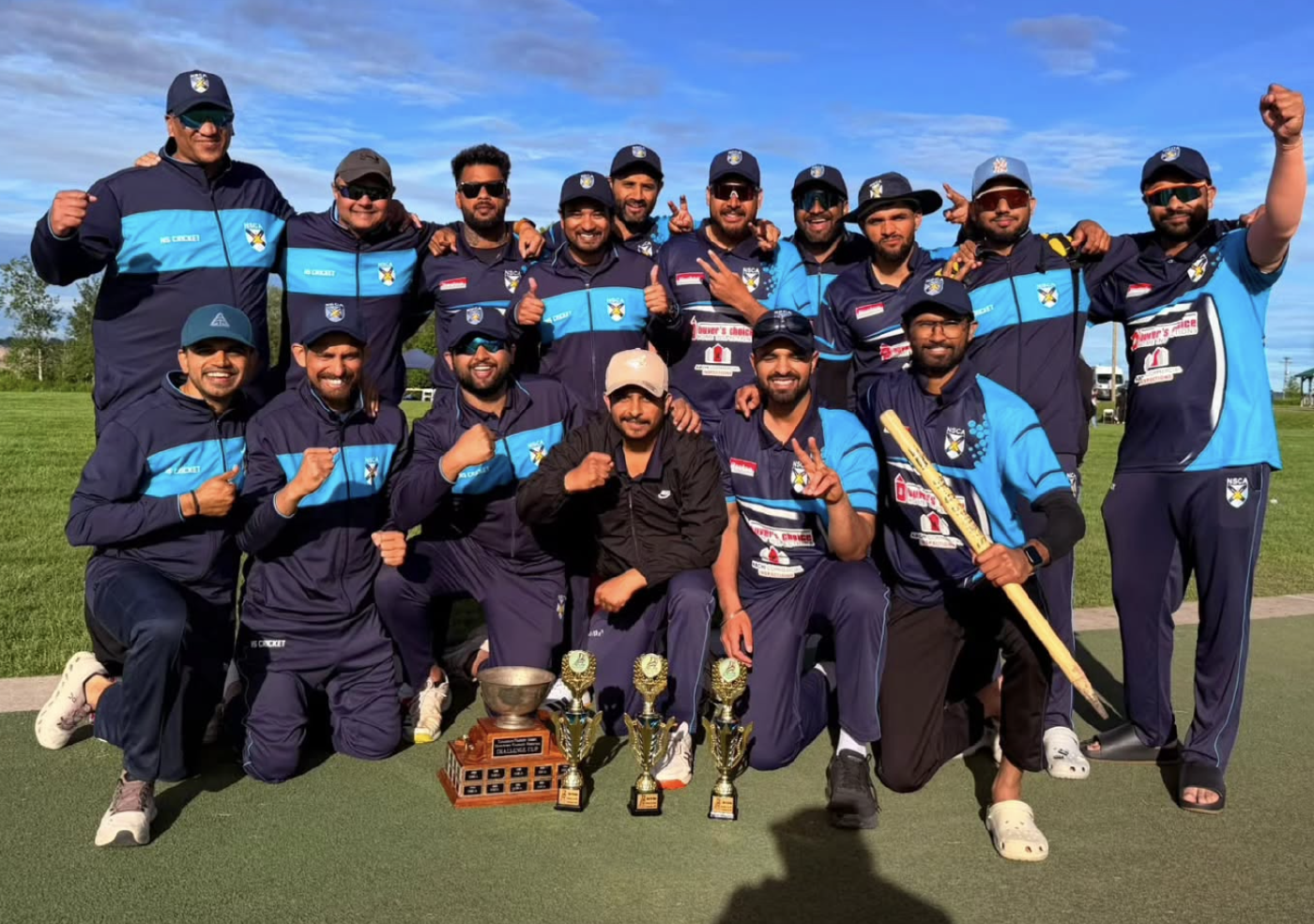
The cricket community in Dartmouth is growing, but its fields are not — at least not yet, and the subject has become contentious in local sports politics in recent months.
The Nova Scotia Cricket Association (NSCA) now has roughly 400 players in its league, more than double the number it had just a few years ago.
The growth is bringing newcomers, children and women into a sport that has become a way to build community in Dartmouth, and across the Halifax Regional Municipality (HRM).
But there is still no regulation-size cricket facility in the HRM.
For Revant Sharan, secretary of the NSCA, that shortage is about more than recreation.
Sharan grew up in India, where he describes the sport as “like a religion.” After moving to Nova Scotia in 2021, he found the sport could offer something familiar in a new place.
“I would say it’s like a great unifier,” he told the Post. “People might argue about other stuff, but when it comes to cricket, everybody is on the same page.”
A growing community
For Sharan, that sense of connection is part of what makes the lack of space so frustrating.
Since 2022, the league has expanded from four clubs to five, and from three divisions to four.
But the association’s growth has also created opportunities it cannot yet accommodate.
“We have so many players who want to play,” Sharan said. “People who want to pick up the sport for the first time don’t have the option because our league is full.”
The shortage affects more than adult players.
The association has about 15 youth players competing alongside adults, because there is not enough space for a dedicated junior league.
“Kids should play with kids,” Sharan said.
The same challenge affects women. A small group of girls has already earned opportunities at the national level – including players selected for Canada’s junior women’s program – but the association said there still isn’t enough space to establish a women’s league.
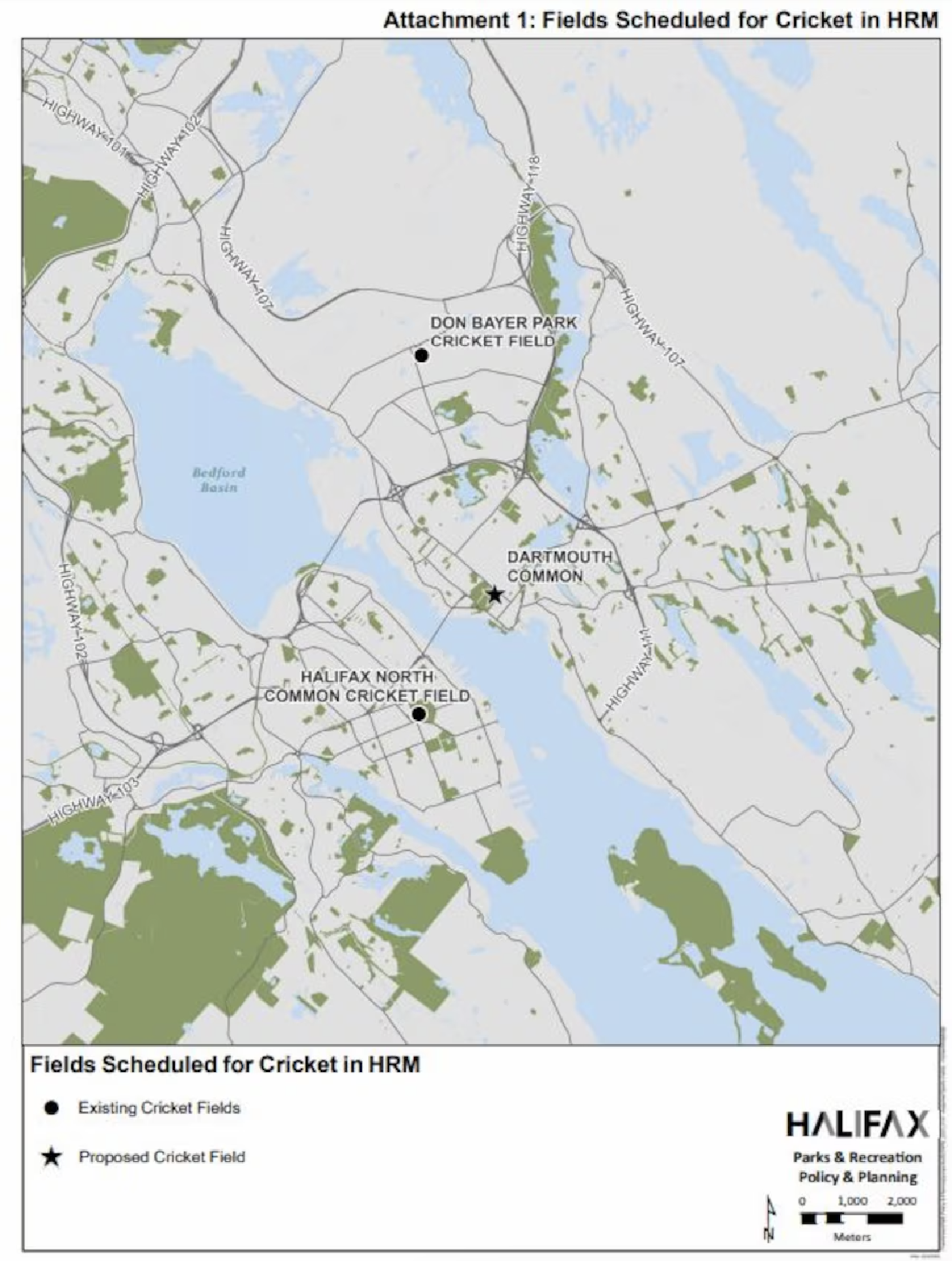
HRM’s own Playing Field Strategy identified cricket as a sport for which the municipality does not have sufficient playing-field capacity, citing increased demand, substantial waitlists, and existing fields that are not purpose-built for league play.
The municipality currently has three fields scheduled for cricket: Halifax North Common Cricket Field, Don Bayer Park in Burnside, and Cole Harbour Commons. Some other fields explicitly prohibit cricket play, with signs barring the sport.
For players, this shortage determines where they practice, who gets to play, and how much the sport can grow.
Finding somewhere to play
At The Bat Cage, an indoor sports facility on Neptune Crescent in South Dartmouth, cricket players make up a significant part of the clientele.
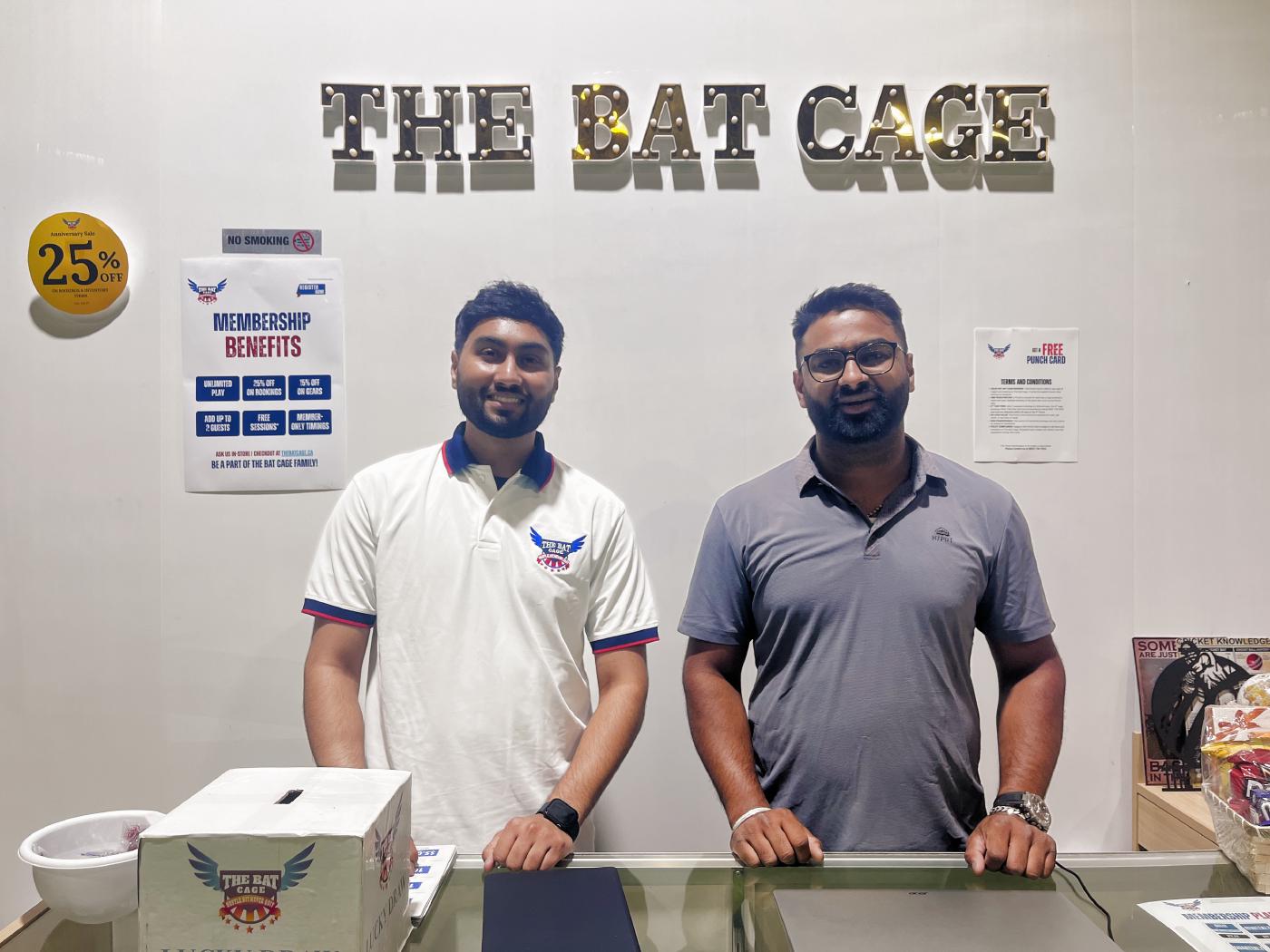
They share the space with baseball and softball players, rotating through lanes to work on batting, bowling, and other skills.
Ritesh Pandey, chief operating officer of The Bat Cage, told the Post that cricket clubs regularly book time at their facility. Established league players use the space alongside newcomers trying to break into organized competition.
When outdoor fields aren’t available, players move indoors to practice on their own, with teammates or with coaches.
The facility has also become a training space for youth players, including a team that practices weekly through the winter.
Pandey said the lack of dedicated cricket space in the region is what inspired the creation of The Bat Cage.
But an indoor facility can only go so far.
Cricket requires a large outdoor playing area, and there is no indoor substitute for a regulation-size pitch where teams can play full matches.
A field of their own
That shortage is part of what led HRM staff to identify Dartmouth Common as the preferred location for a regulation-size cricket facility.
HRM staff reviewed municipally owned properties based on whether they could accommodate a regulation-size cricket field, as well as environmental constraints, existing recreation facilities, accessibility, and proximity to other services.
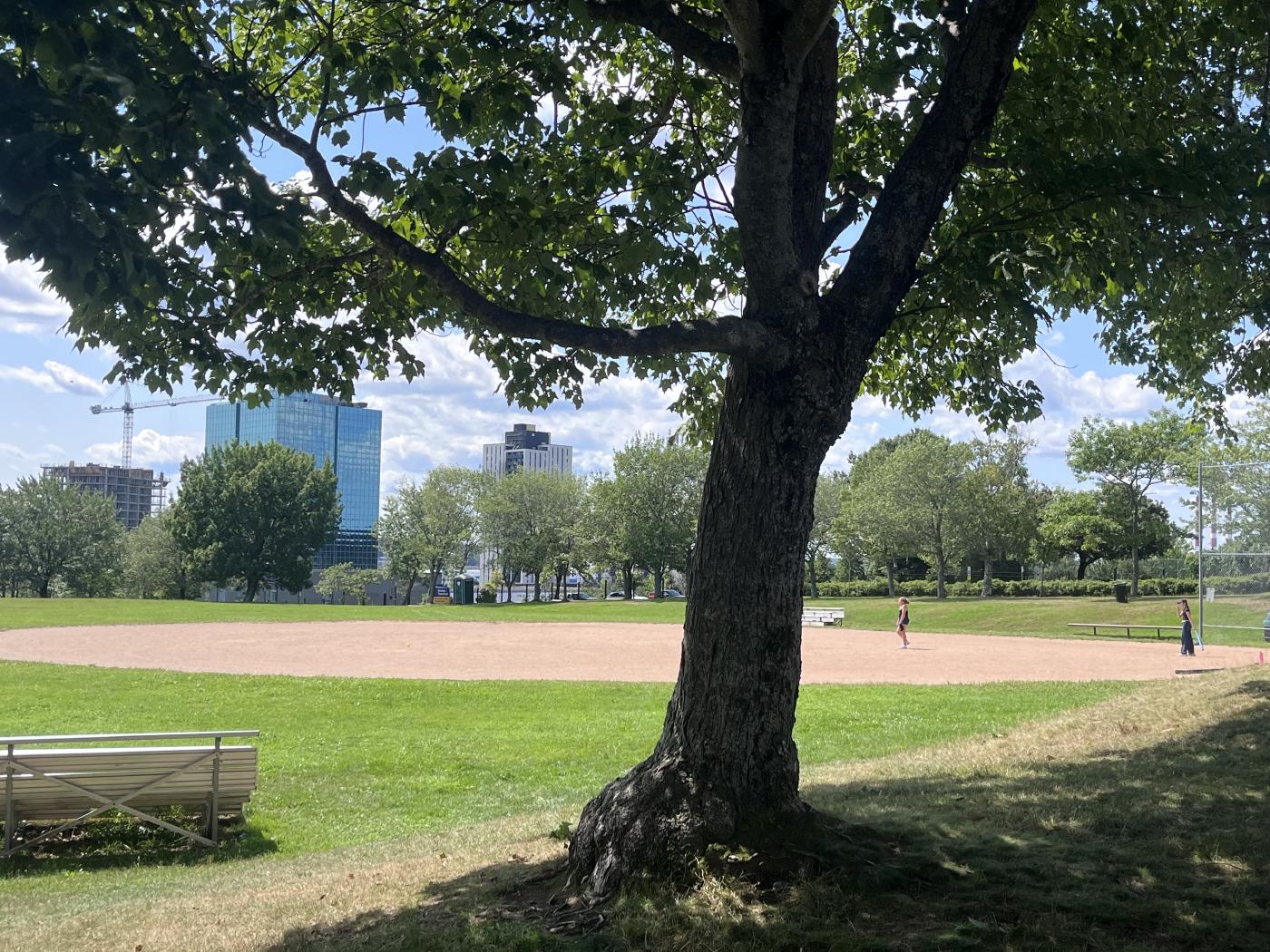
Dartmouth Common was ultimately identified as the preferred site because of its size, circular shape, and central location.
The municipality has about $1 million available for the project, District 5 Councillor Sam Austin told the Post, making the conversion of the two Arthur H. Merrick Memorial baseball diamonds more feasible than purchasing land and building a new facility from scratch. This proposal has led to backlash from Dartmouth’s baseball community, as widely reported by other local media outlets.
HRM has also proposed upgrades to other baseball facilities, including improvements to the John Martin field and lighting at Greenough Field, to help accommodate baseball users affected by the change.
But council has not approved the conversion.
It has asked staff for more information about baseball field availability, potential shared-use options, and the possibility of restoring the former Green Road baseball diamond, before making a final decision.
For Austin, the need for more information is partly a response to conflicting claims about baseball demand. He said baseball associations have told council there is not enough field time available.
At the same time, HRM staff have found what Austin described as “tons of time available” in Dartmouth’s booking systems.
Austin said he understands why the proposal is difficult for families whose children are already playing baseball.
“If you’re a parent whose kid was on a wait list to participate in ball this season, the idea of taking two fields out of service, it’s not gonna seem very reasonable.”
He also does not expect shared use to be a simple solution.
“Cricket is important because there are people in our community that want to play cricket.”
—HRM District 5 Councillor Sam Austin
Cricket and baseball require different field configurations, and Austin said shared use only makes sense when neither sport has enough demand to fill a facility on its own.
“If cricket is gonna generate enough hours that a cricket pitch will be fully used, why would you go through the effort of diminishing that by turning it into a shared space?”
For now, the municipality is still trying to answer that question.
The supplementary report is currently expected to return to council in December or early next year, although Austin notes that timeline could change.
‘If you have differences, you try to resolve them’
For the NSCA, the goal has never been to take a field away from another sport. It is to have one that cricket players can call their own.
“If the city tomorrow said they were building a dedicated facility somewhere else, of course we’d support that,” Sharan said. “It’s not our intention to take baseball away from kids.”
As discussion around the proposed cricket field spread online, some players of the sport — first brought to South Asia by English colonization — received racist messages telling them to “go back to your country.”
“It’s not nice to hear,” said Sharan. “If you have differences, you try to resolve them — not just go to the extreme and make racist comments.”
Austin said he was also troubled by the racism.
“There has been some distressing racism that has been thrown into this debate where people of South Asian descent are being othered,” he added. “Cricket is important because there are people in our community that want to play cricket.”
Austin said the length of time a family has lived in Dartmouth should not determine whose recreational needs matter.
But the comments do not represent the experience of everyone involved.
For Sharan, the broader story is about a community that is already here, and continuing to grow.
A dedicated field could give children a chance to play with other children, give women a place to build a league of their own, and give newcomers a familiar way to meet people and become part of their community.
“If you want more Canadians to start playing cricket, you need to give them the opportunity,” Sharan said. “If the opportunity isn’t there, it’s not going to happen.”
For a community that has spent years finding space wherever it can, that opportunity could mean something as simple as having somewhere to call home.