
Bike thefts are down in Dartmouth, but some areas remain hotspots
Halifax Regional Police data point to fewer reported bike thefts, but riders remain cautious.
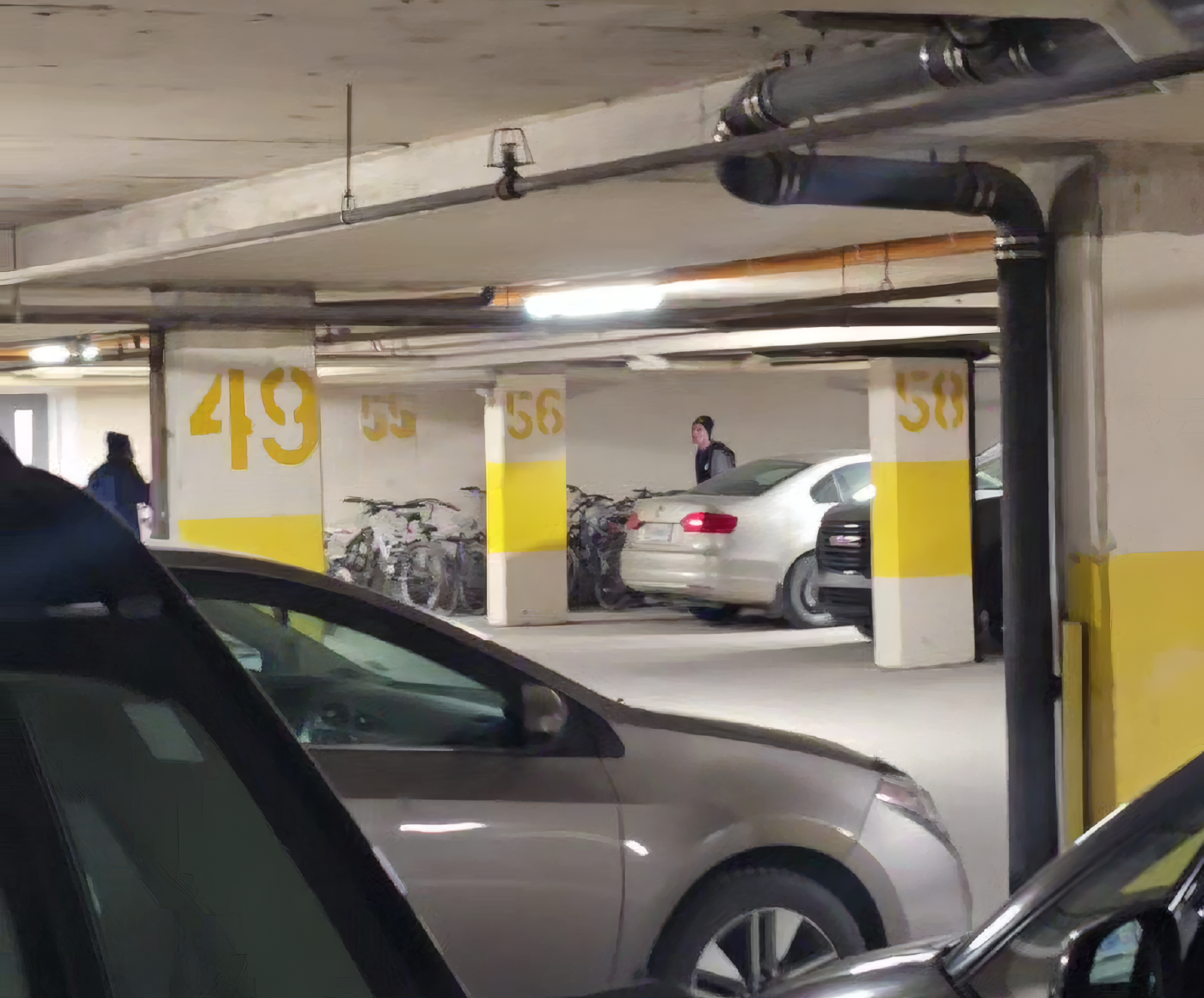
When Dartmouth cyclist Aaron Stevens saw someone trying to steal an e-bike from his apartment building, he didn’t wait for the police.
He chased them.
“It was a bit of an adrenaline rush,” Stevens told the Post. “It was actually the second time the same people tried to steal from my building, which is why I chased them down. If I hadn’t stopped them, they definitely would have kept coming back.”
The attempted theft happened on Windmill Road, an area Stevens said has become synonymous with stolen bikes.
“It’s a very common occurrence around here,” he said. “I see stolen bikes lying around a lot. I’m also pretty active in the HRM Lost and Found group, so I see people posting about their stolen bikes a lot as well.”
Stories like Stevens’ have become commonplace on local Facebook groups, where cyclists swap advice on heavy-duty locks, battery removal, and where it’s safe to leave a bike unattended.
Yet despite growing anxiety among riders, Halifax Regional Police (HRP) data tell a different story.
Reported bicycle thefts have fallen steadily over the past three years, dropping from 342 reports in 2024 to 247 in 2025. As of July 26 this year, police had received 76 reports of stolen bicycles. The Halifax Peninsula continues to see the highest number of thefts, while in Dartmouth, Alderney Landing and the Macdonald Bridge area remain the busiest locations for reported incidents.
Bike Thefts in HRM per Year
Why thefts are declining isn’t entirely clear.
“It could be due to bike owners maybe having or getting better locks for their bikes, bringing them inside, locking them up in a well-lit area,” said HRP Const. Martin Cromwell.
Police continue to encourage cyclists to record their bike’s serial number, report thefts, and register their bikes through Project 529, an online registry that can help identify stolen bicycles.
The decline in report thefts, however, hasn’t erased cyclists’ concerns. Instead, many appear to have changed how they protect their bikes.
At Cyclesmith, a locally owned bicycle shop with locations in both Halifax and Dartmouth, manager Kieran Sharpe said customer conversations suggest concerns about theft are now a routine part of helping customers purchase a bike.
“We do hear a lot from the community,” Sharpe said, noting that multiple customers recently came into the store looking to replace their stolen bike.
Sharpe believes part of the anxiety stems from the changing value of bicycles themselves. As e-bikes become more common, cyclists are increasingly locking up bikes worth several thousand dollars rather than a few hundred.
Still, he believes most thefts remain crimes of opportunity rather than carefully planned thefts targeting expensive bikes.
“The bikes that are being stolen are the ones that are easy to steal,” he told the Post. “Bike thieves aren’t really the most discerning. They’re not looking in particular for certain bikes – it’s just ones that are available.”
Although dramatic videos of thieves using battery-powered angle grinders often circulate online, Sharpe said most thefts he hears about involve much simpler methods.
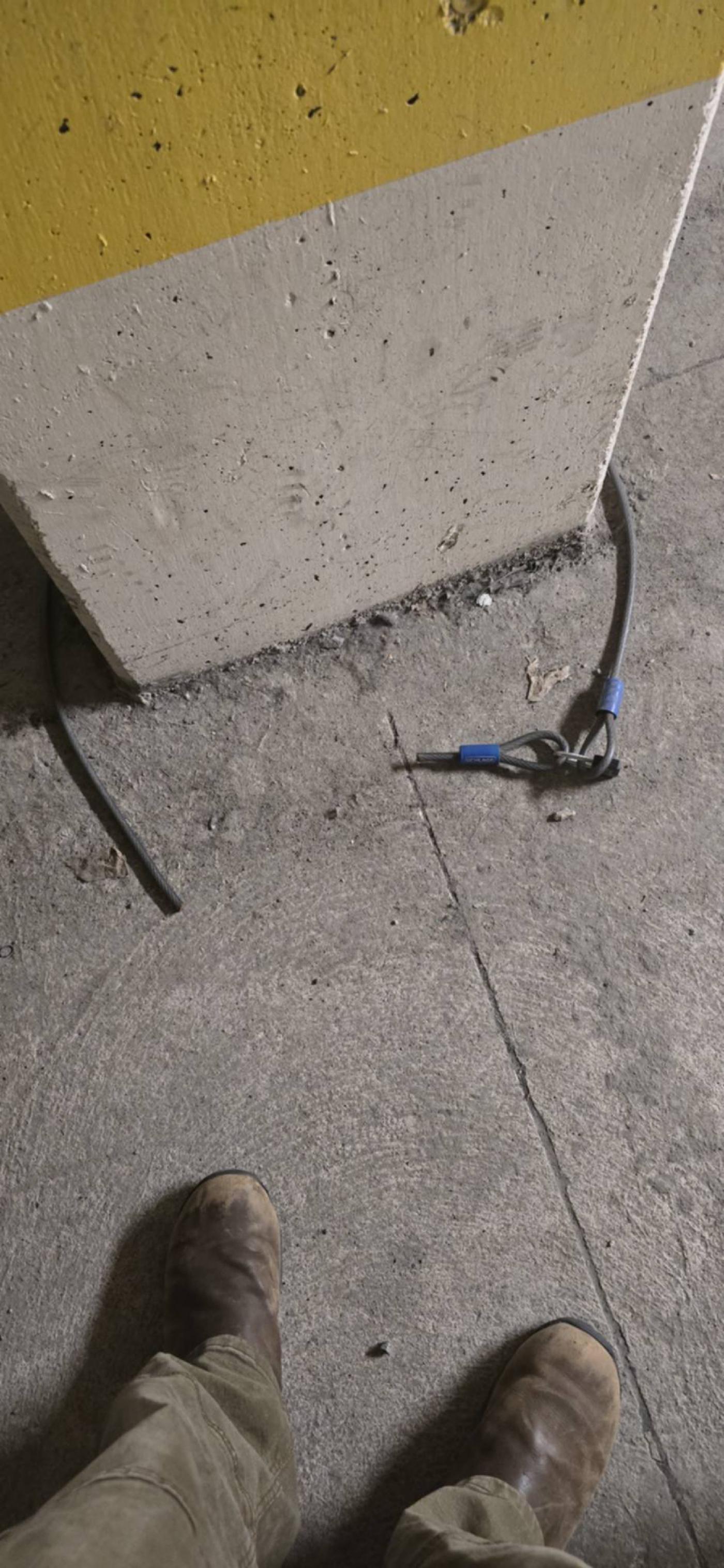
“A decent U-lock can be cut, but it takes an angle grinder, time, and makes quite a lot of noise,” he said. “Really, we’re not seeing a lot of that.”
Instead, he recommends cyclists invest in a quality U-lock, avoid inexpensive cable locks and, whenever possible, store bikes indoors.
Still, for cyclists like Stevens, statistics don’t necessarily change perception.
“Unfortunately, even if the thieves are caught, there’s almost a zero chance of getting your stolen bike back,” he said.
Reported thefts may be declining, but for many Dartmouth cyclists, confidence hasn’t caught up.