
African immigrants finding home in Dartmouth — and bringing jollof rice with them
From Nigerian street food to Zambian independence celebrations, Dartmouth's growing number of African newcomers are creating spaces where traditions can be shared across generations and cultures.
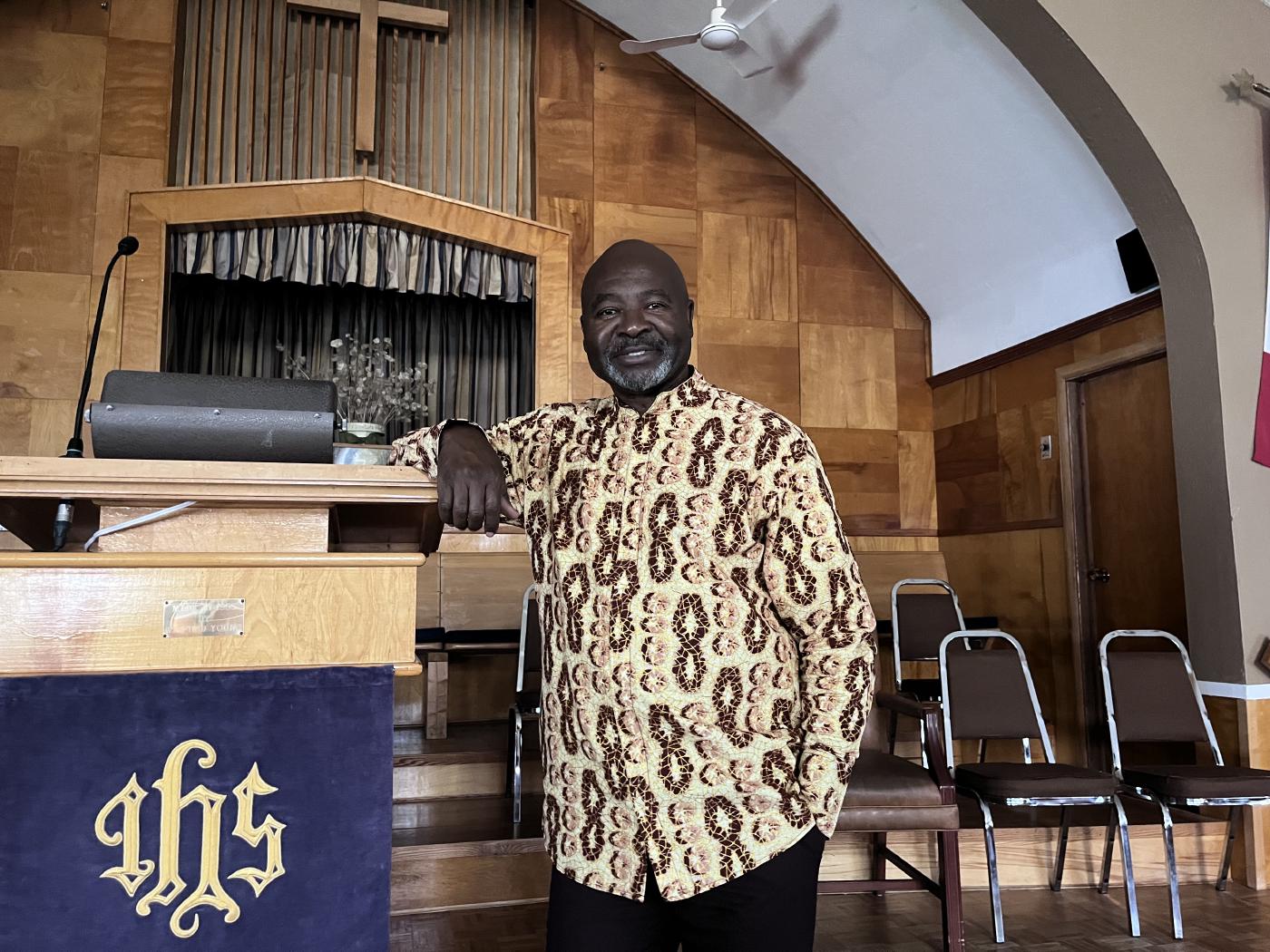
When the Rev. Dr. Elias Mutale first arrived in Nova Scotia from Zambia in 1988, seeing another African person on the street was unusual enough to prompt a wave. w “If you walk on the road and see one, you’re going to wave because that was the nature of the isolation,” Mutale told the Post.
Nearly four decades later, the landscape around him has changed.
Across the community, Nigerian street food is being served, African congregations share church space, and cultural celebrations are giving children a chance to experience traditions their parents brought with them.
For people like Mutale and Nigerian-born restaurant owner Courage Edetanlen, those spaces are more than places to eat or worship.
They are ways of making a new place feel like home.
A taste of home
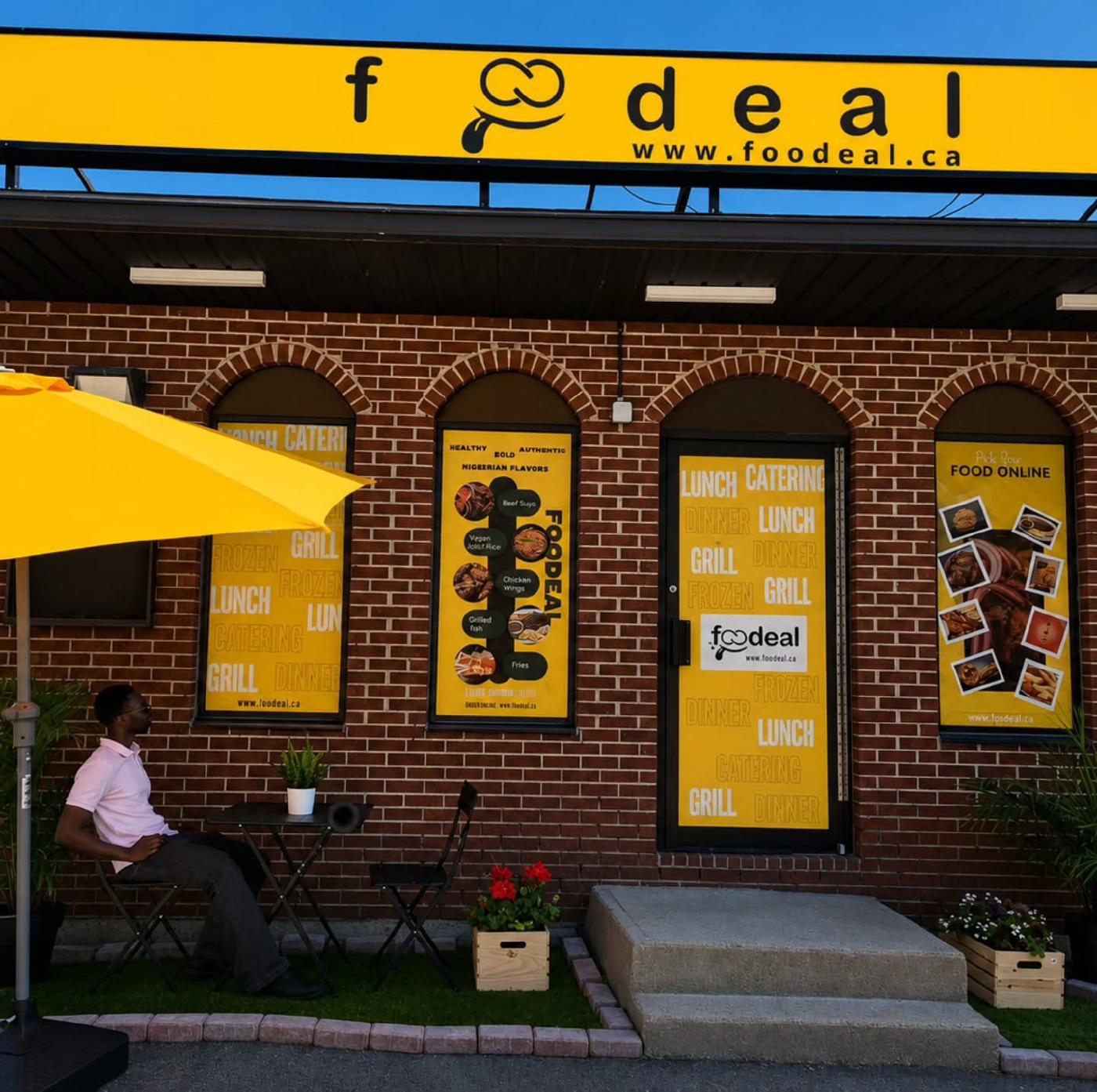
At Foodeal, at the corner of Portland Street and Prince Arthur Avenue, Edetanlen introduces customers to Nigerian culture one plate at a time.
Her menu includes jollof rice, grilled beef suya, and sauces based on recipes she brought with her from Nigeria. Her family has long been involved in the food industry, and she previously ran a restaurant in Nigeria.
When she arrived in Canada, she found Nigerian restaurants, but saw an opportunity to introduce people to another part of the country’s food culture: street food.
“I always tell people if our music can go viral, our food should go viral,” Edetanlen told the Post. “Because we have flavours.”
Foodeal began by developing sauces, before eventually opening its own kitchen on Portland Street in South Dartmouth (at the former Pizza Girls location), giving Edetanlen a place to showcase Nigerian street food.
Dartmouth was an intentional choice. Edetanlen lives in the community and describes it as family-oriented.
At the heart of their menu is a dish that Edetanlen said is inseparable from Nigerian celebrations: jollof rice.
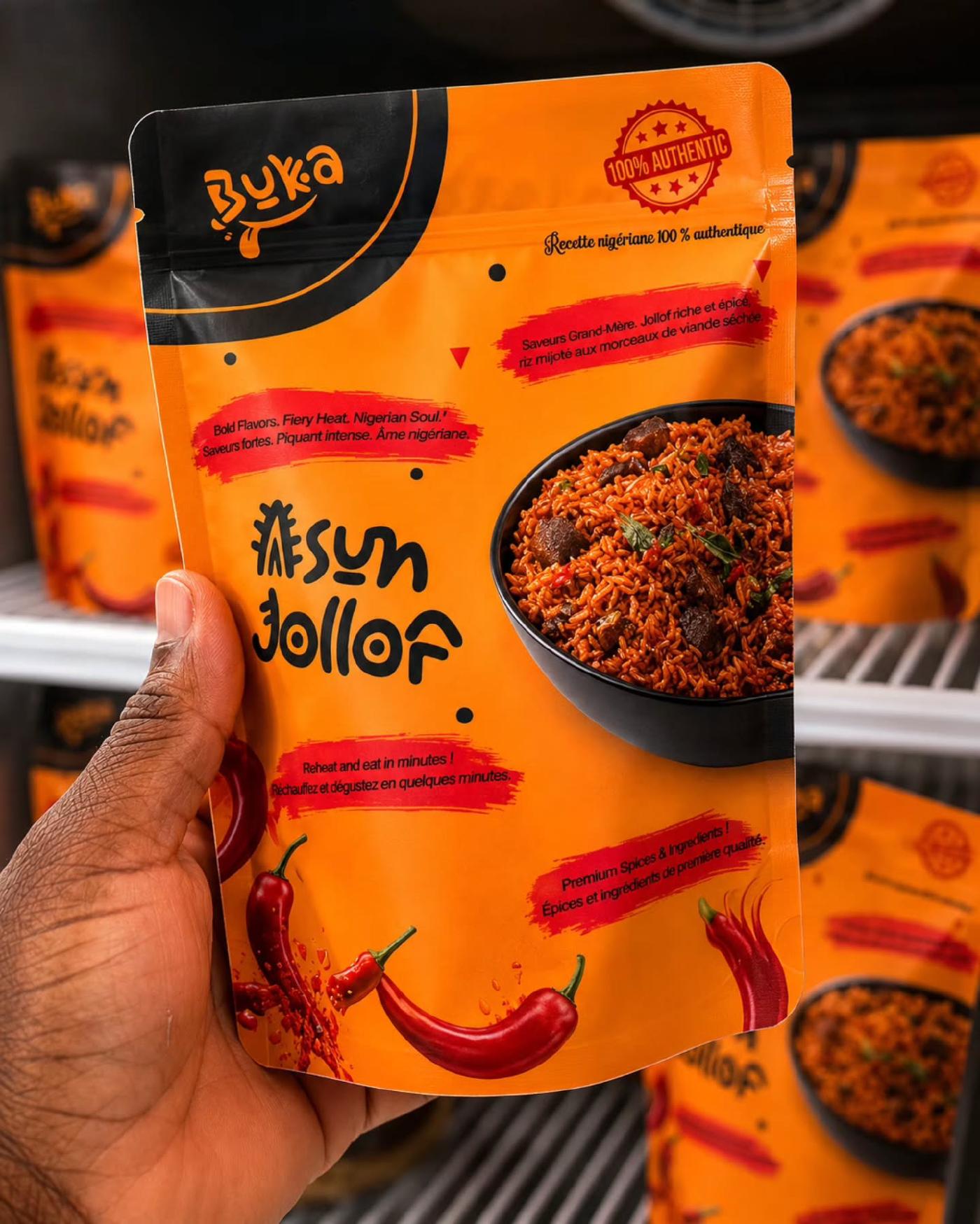
The rice is a staple at birthdays and other gatherings.
“It’s a meal that just brings people, makes people excited, gets people to have conversations and all around the table,” Edetanlen said.
There is usually some heat to Nigerian jollof rice. But at Foodeal, Edetanlen deliberately leaves the spice out. For someone unfamiliar with Nigerian food, the first bite is meant to introduce the flavour before the heat.
“We make it entry level so that you can taste the flavours besides just the peppers,” Edetanlen explained.
For Edetanlen, watching people try those first bites can become an introduction to something much bigger than food.
She said African countries like Nigeria are often portrayed through negative stories, leaving people with a narrow idea of what life and culture there are like.
“We have a beautiful culture,” Edetanlen said. She recalls bringing her American friend to Nigeria in 2019.
“Having her there in person, she saw Nigeria in a different light because it was different from what she saw on the Internet, she said. “That was eye-opening for her.”
Now, Edetanlen sees the same opportunity when someone walks into Foodeal.
While they might come looking for a meal, they will leave knowing a little more about Nigeria.
Finding family
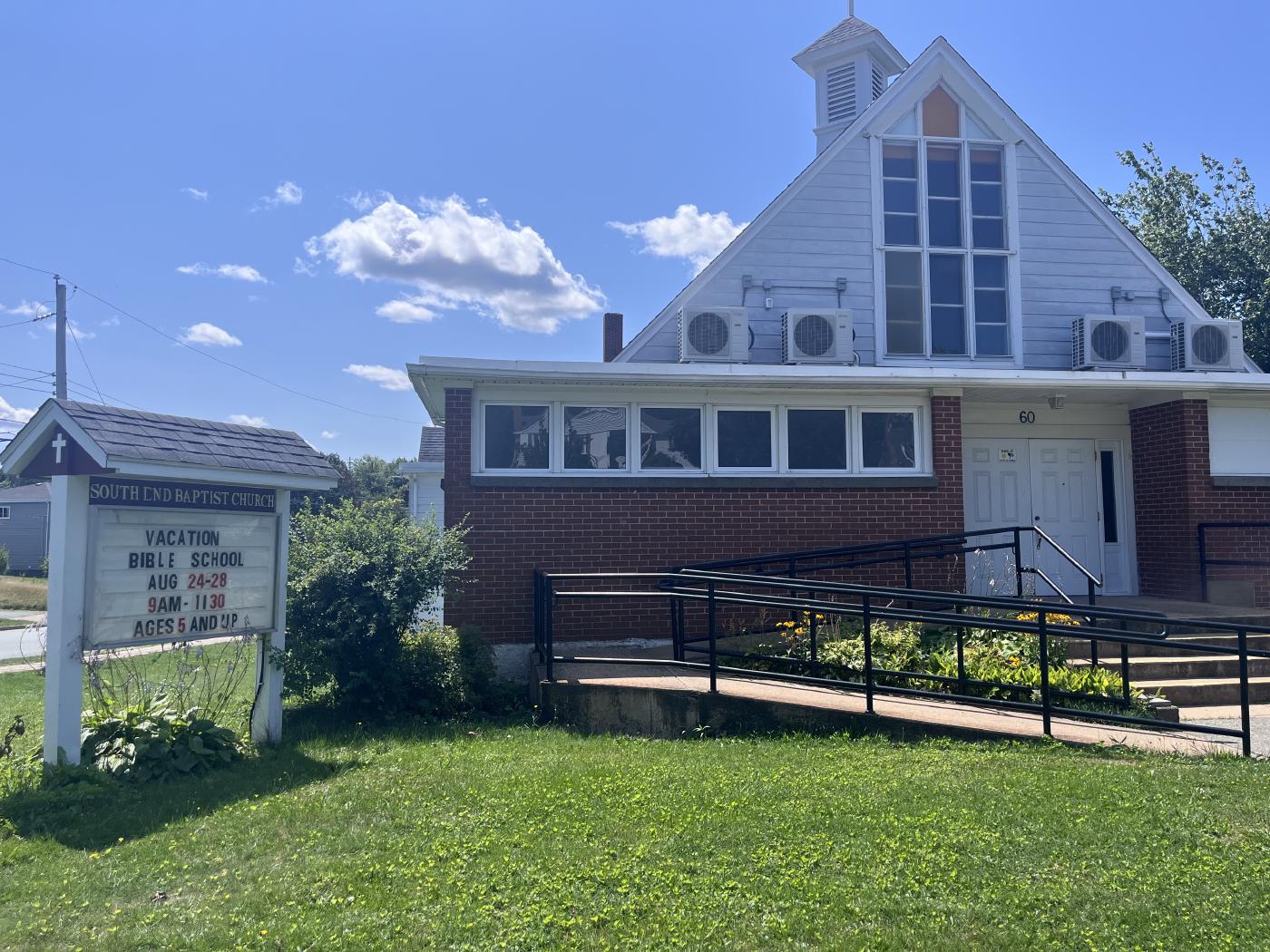
While Foodeal builds community through food, a few blocks over at the South End Baptist Church on Hastings Drive, Pastor Elias Mutale is doing the same thing through faith and fellowship.
When Mutale arrived at the church in November 2022, there were fewer than 30 people attending.
The congregation was predominantly white, with one Jamaican family and one woman of Chilean origin.
Last Sunday, there were 62 people, with several African families now part of the congregation.
Mutale describes the church’s approach in three words: faith, family, and friendship.
“We’re a faith community who want to create a sense of family,” he told the Post.
The church’s community life extends beyond Sunday worship.
Three times a year, it holds a yard sale where most items cost $2. On busy mornings, more than 100 people can pass through the doors between 9 a.m. and noon.
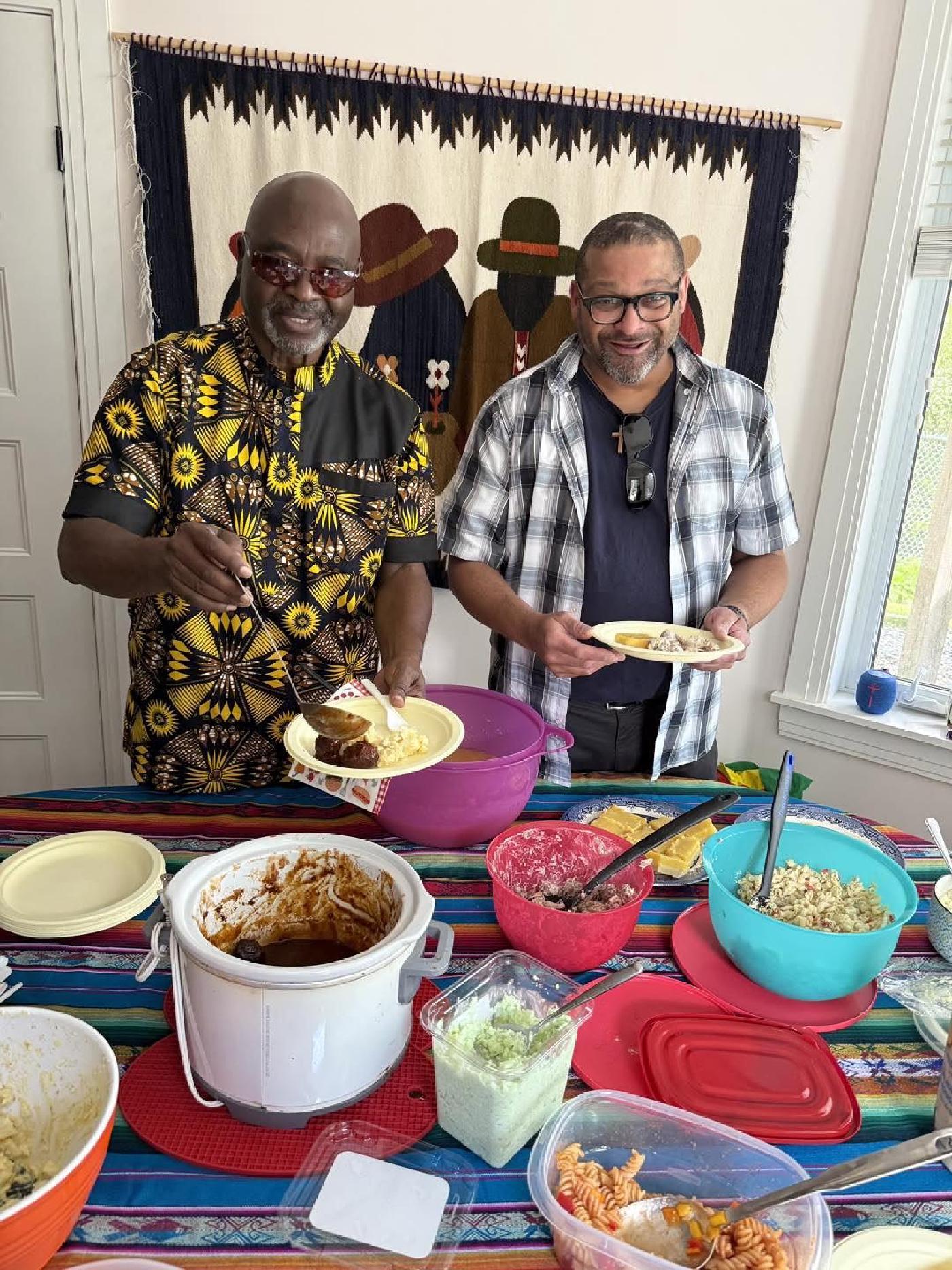
Every month, church members also prepare sandwiches, casseroles, and other food for a post-church dinner where everyone is welcome.
Last dinner, 52 people stayed for dinner, after 68 attended worship.
Mutale sees those gatherings as part of what makes the church feel welcoming.
“It speaks to the bonding that’s happening as people are interacting,” he said.
The church building itself has become another example of how different cultures can share the same space.
On weekends, the Church of Jesus Christ Disciples uses the building. The congregation is made up almost entirely of African people, primarily from Congo. Some members came to Canada as refugees; others are professionals who have settled in the region.
Their worship is lively. Drums and singing fill the building, creating a sound that Mutale said is strikingly different from the Sunday morning service he holds.
For Mutale, that contrast reflects the reality of the church today – a shared space where different expressions of worship and culture meet under one roof.
That is a long way from the Nova Scotia Mutale remembers arriving in.
When he first came to the province with his wife, there were few African people around him.
As more families arrived, the couple became informal sources of support, helping newcomers navigate the cultural and practical challenges of settling in Canada.
Today, Mutale worries about what happens to those cultural connections in the next generation.
He wants children growing up in the diaspora to know where their families came from, rather than feeling disconnected from it.
His own children, he said, once joked that they lived on “misfit island.”
“That’s how big their identity crisis is when you are uprooted,” he said.
The church’s upcoming Zambian independence celebration is one way Mutale hopes to prevent that disconnect.
For children who may know Zambia largely through their parents’ memories, the celebration offers something different: an experience they can make their own.
That idea – creating something new without abandoning what came before – is playing out across Dartmouth.
For people who have crossed borders, home is something they build themselves – shared around meals, in churches and communal spaces, and in the traditions they pass on.