
Dartmouth’s music education scene is finding its own rhythm
As Dartmouth grows, local educators are creating spaces where children can learn musical instruments or hone their voices without crossing the harbour.
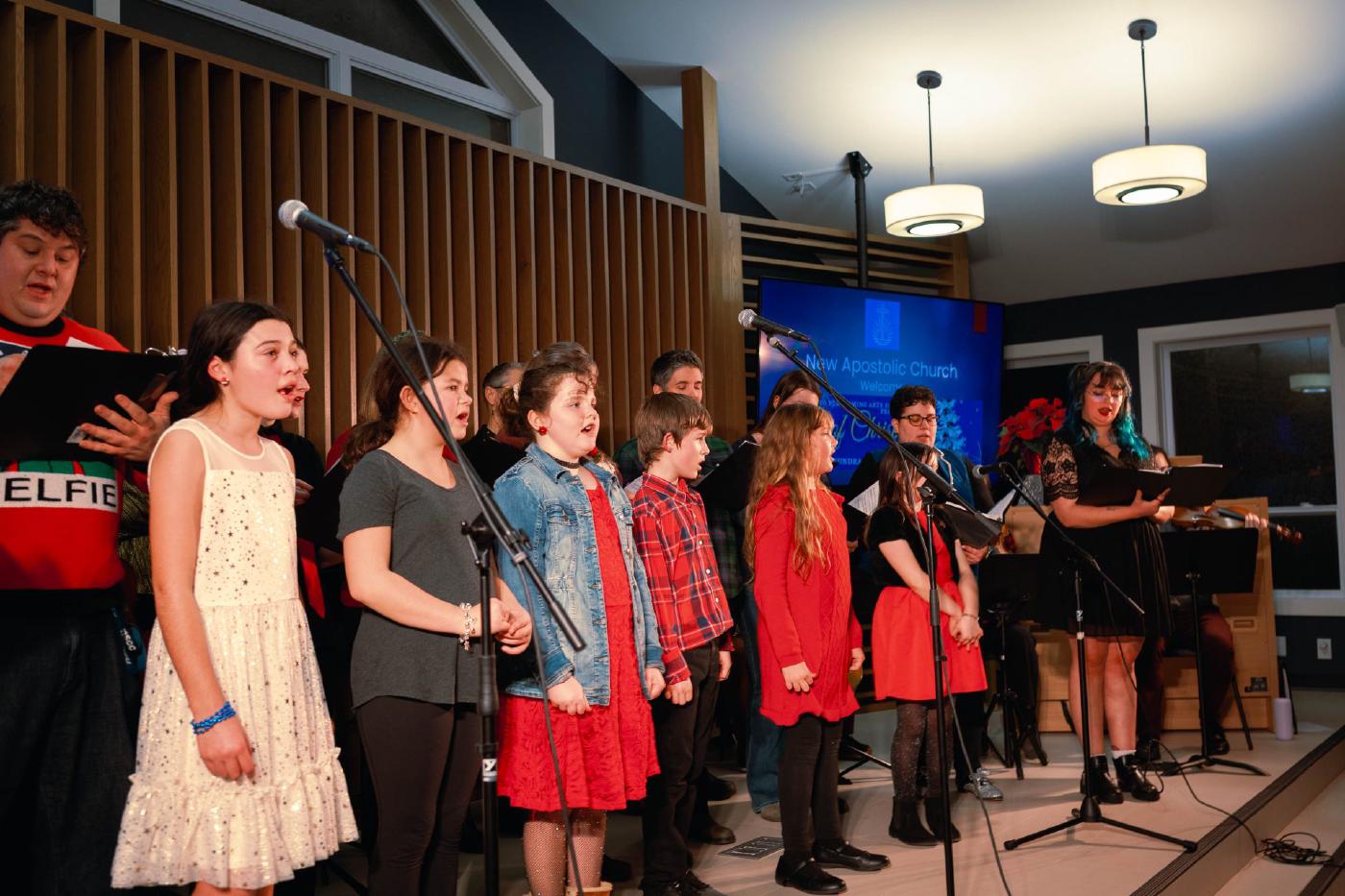
For many Dartmouth parents, music lessons have long come with an extra trip across the harbour.
Halifax has traditionally been home to the region’s largest music schools and conservatories, making it the default destination for families looking to enrol their children in lessons. But as Dartmouth continues to grow, a new generation of community–based music programs is proving that high-quality arts education doesn’t have to be found on the other side of the bridge.
Studios like Accents Music Studio and the Ekko Performing Arts Society are part of a growing network of local organizations helping children learn an instrument, while building confidence, friendships and a sense of belonging – all within their own community.
For Accents Music Studio founders Erin Summers and Elizabeth Humphries, opening in Dartmouth wasn’t about filling a gap in the market. It was about serving the community they already called home.
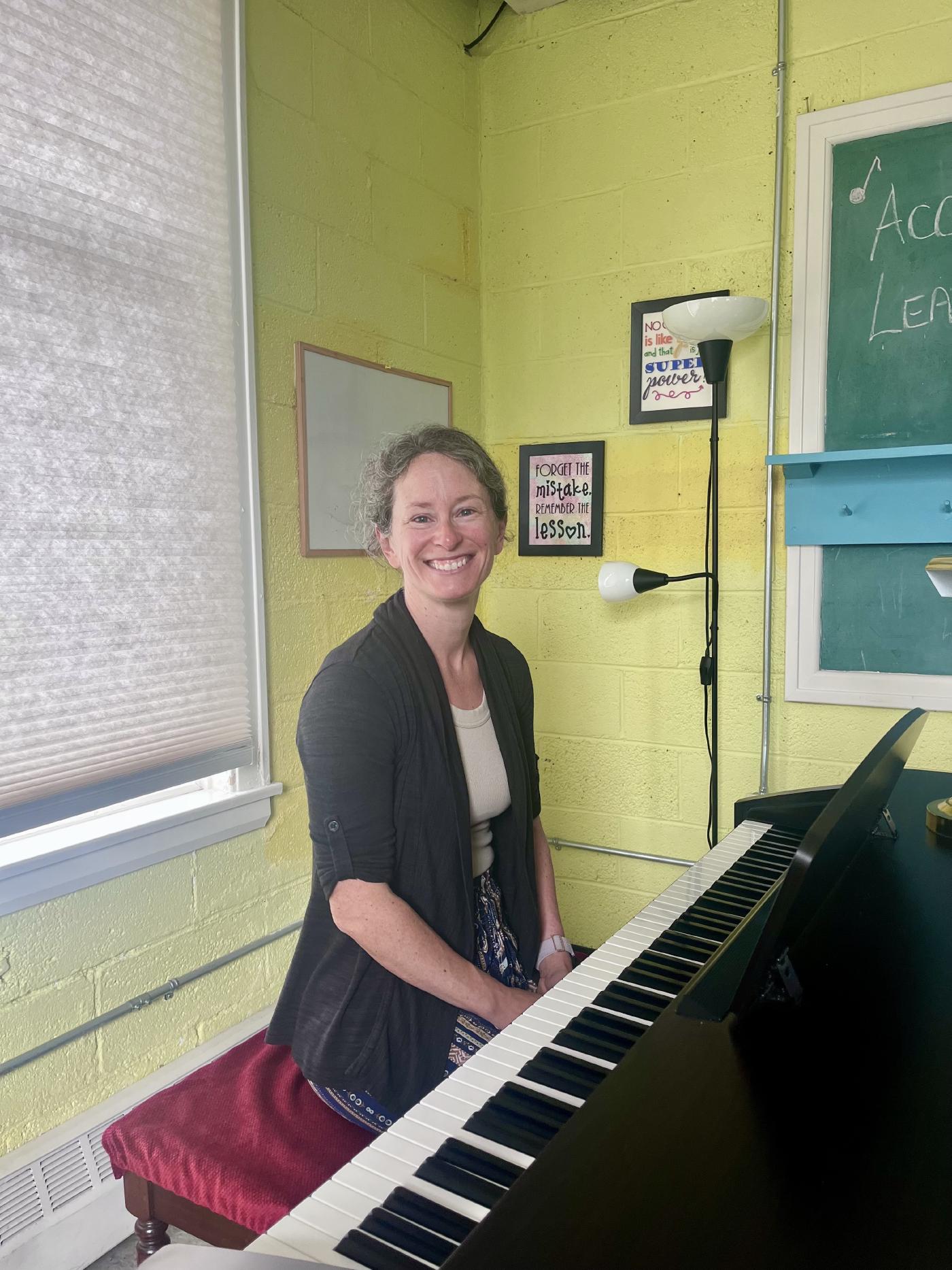
The studio began in 2021, when the two music teachers decided to transform their renovated basement into a teaching space during the pandemic. Within a year, demand had outgrown the home studio, prompting a move into the St. James United Church hall space on Portland Street.
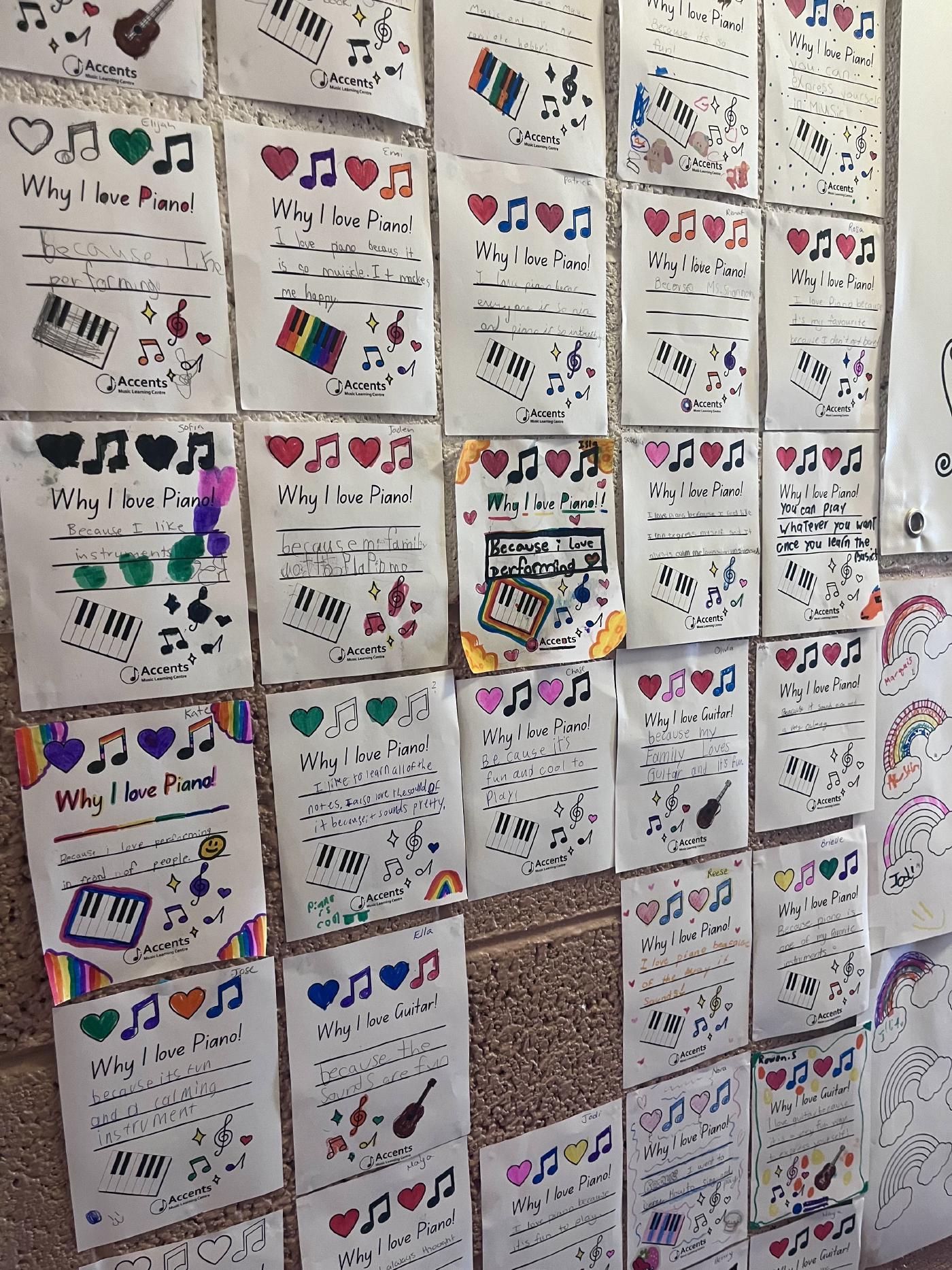
Today, the studio has four teachers and three teaching assistants. Accents offers lessons in piano, voice, guitar, and ukulele, alongside group singing and piano classes, with most students being elementary school-aged children.
For the founders, choosing Dartmouth wasn’t a business strategy, as much as a reflection of home.
“As a parent myself, you want something that’s close by,” Summers told the Post. “You want something that you know you can trust – that your friend has recommended.”
That neighbourhood connection has become one of the studio’s biggest strengths. Summers knows many of the families personally and said the goal is to make every child who walks through the door feel welcome.
“We really try as best we can to be kind of like a community,” she said.
Rather than measuring success through exams or performances alone, she said the focus is on meeting students where they are.
“We wanted to be that school where we helped kids really achieve whatever it was they wanted to do,” Summers said. “If they wanted to do an exam, we’d help them do really well. If they wanted to learn for fun, we’d help them do that.”
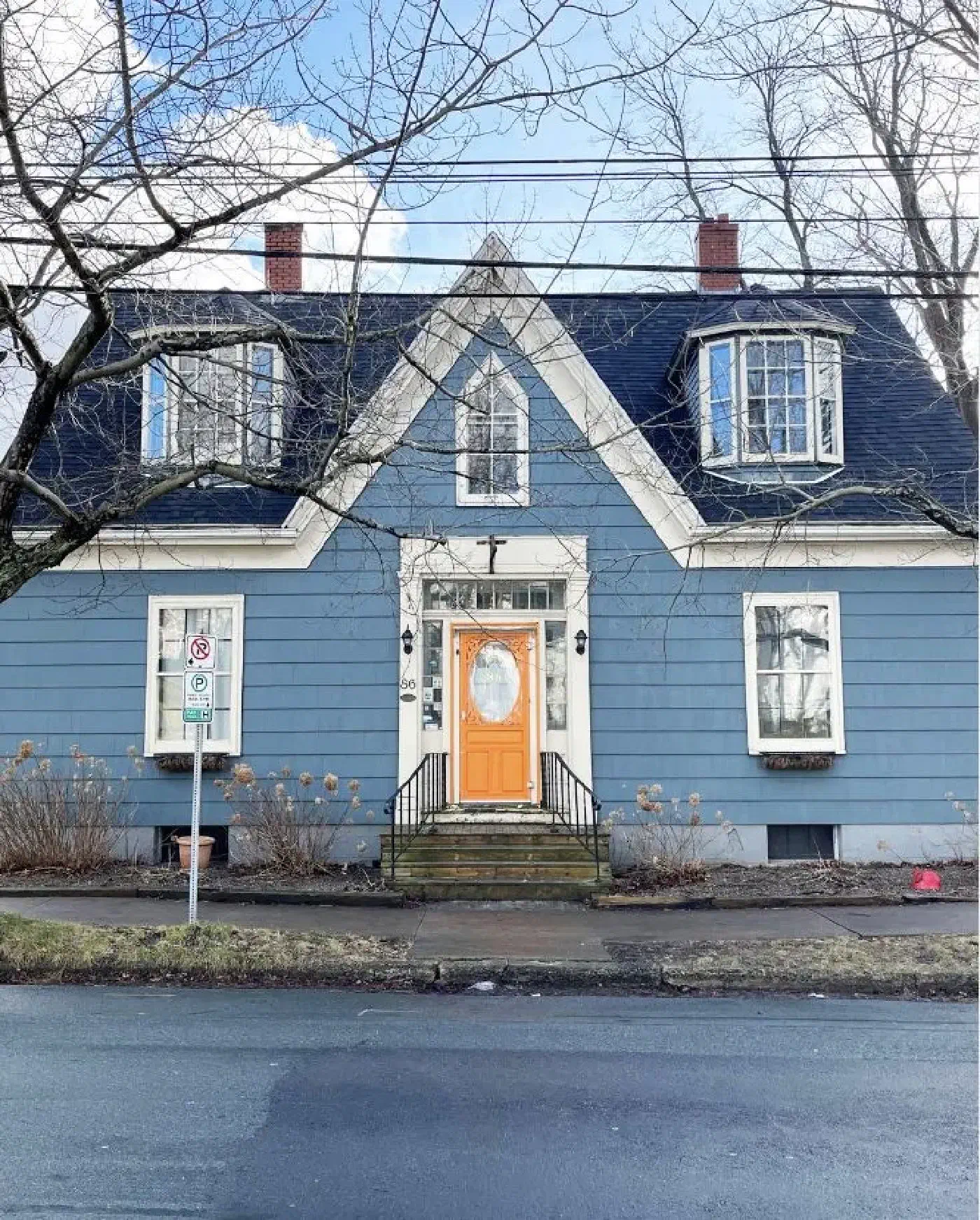
Just a few blocks away on Ochterloney Street, the Ekko Performing Arts Society shares a similar vision, but with an added focus on breaking down barriers to arts education.
Founded in 2021 as a private music studio, Ekko is now a non-profit built around the idea that music education should feel welcoming, rather than intimidating.
“We wanted to create a comfortable home vibe,” said Adam LeBlanc, executive director and founder. “People could come in and just feel at home and relaxed.”
Students aren’t pressured to perform if they don’t want to, and lessons are tailored to individual interests alongside core musical skills.
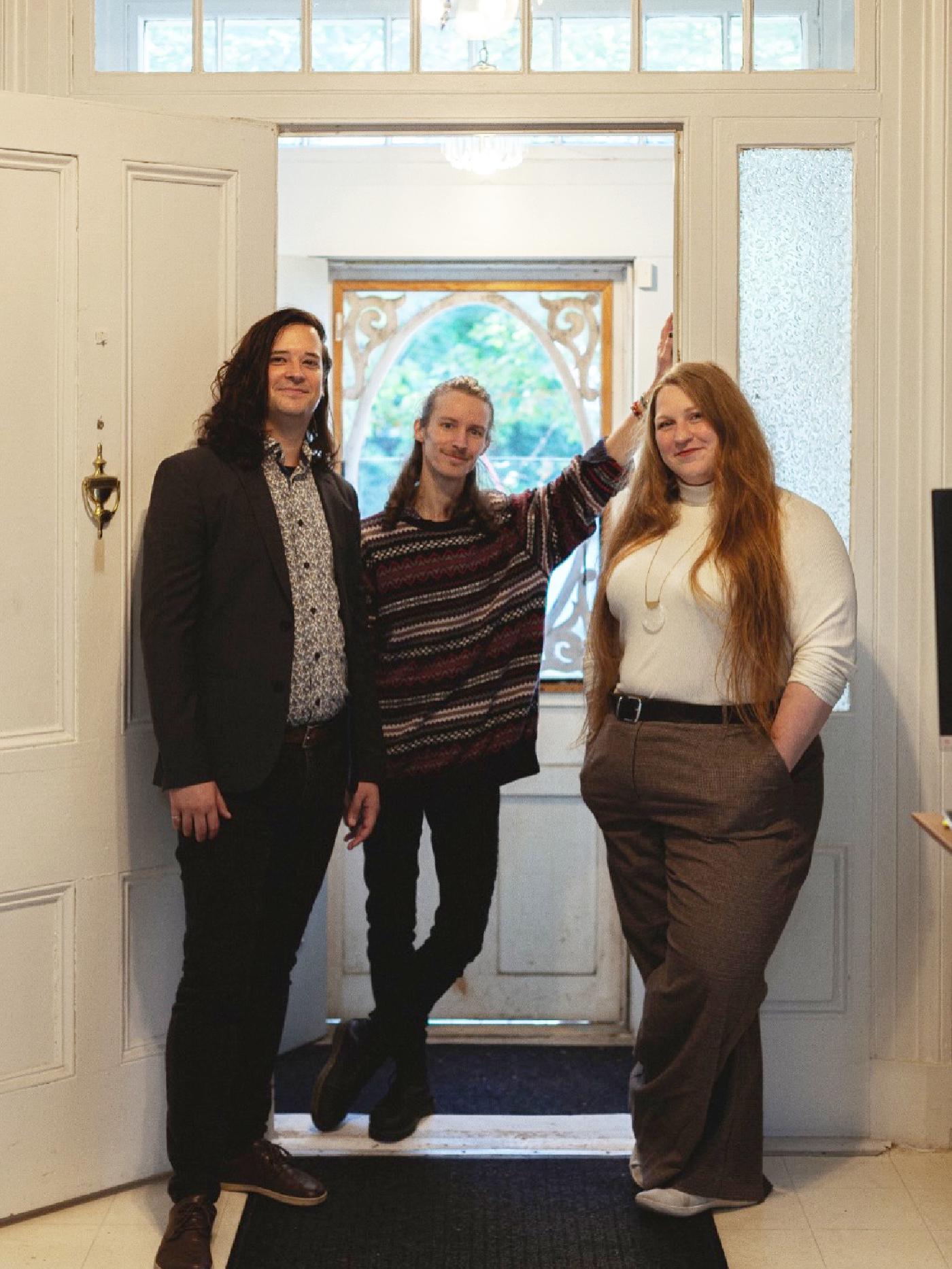
Like Accents, Ekko intentionally chose to be located in downtown Dartmouth.
“I think it’s important because Dartmouth is growing like crazy,” LeBlanc told the Post. “We want to make sure that Dartmouth is also supported and people don’t have to cross the bridge.”
The downtown location, within walking distance of the ferry terminal and major bus routes, was chosen to make lessons easier to reach for families who rely on public transit, while also contributing to a growing arts scene in the city’s core.
For both organizations, however, proximity is only one piece of accessibility.
Music education remains a significant expense for many families, especially when paired with the cost of instruments and increasingly busy schedules.
Ekko has tried to address those challenges by creating a music fund for children from lower-income families, offering sliding-scale lesson fees and lending instruments whenever possible.
“We’re trying to reduce those financial barriers,” LeBlanc said. “We want people to have access.”
Accessibility, he added, also means creating spaces where people feel accepted. The organization offers programs including a queer choir, employs a diverse teaching staff, and works to make performances and events welcoming to everyone.
Both organizations said the benefits of music education extend far beyond learning notes on a page.
“I hope we’re teaching them how to have fun and be resilient and achieve the goals that they want,” Summers said.
LeBlanc sees music as something that helps people reconnect with themselves.
“Some people come in and have a really stressful day, and then they come to this,” he said.“Then a half hour later they’re saying, ‘Thank you for having me come.’”
For him, that transformation is just as important as learning an instrument.
As Dartmouth’s arts community continues to expand, both organizations hope to see more collaboration between local groups and more investment in neighbourhood-based creative spaces.
LeBlanc envisions a central performing arts hub where organizations could share space, reduce costs, and expose families to a wider range of programs.
Summers agrees that the city’s music community is growing, with more qualified teachers and organizations offering families a variety of options close to home.
The goal, she said, isn’t to compete with Halifax’s established music institutions.
It’s to ensure that children growing up in Dartmouth no longer have to leave their community to find a place where they can learn, create, and belong.