
Dartmouth Cove proceedings to share court date in September
Legal disputes for infill project remain in limbo until then
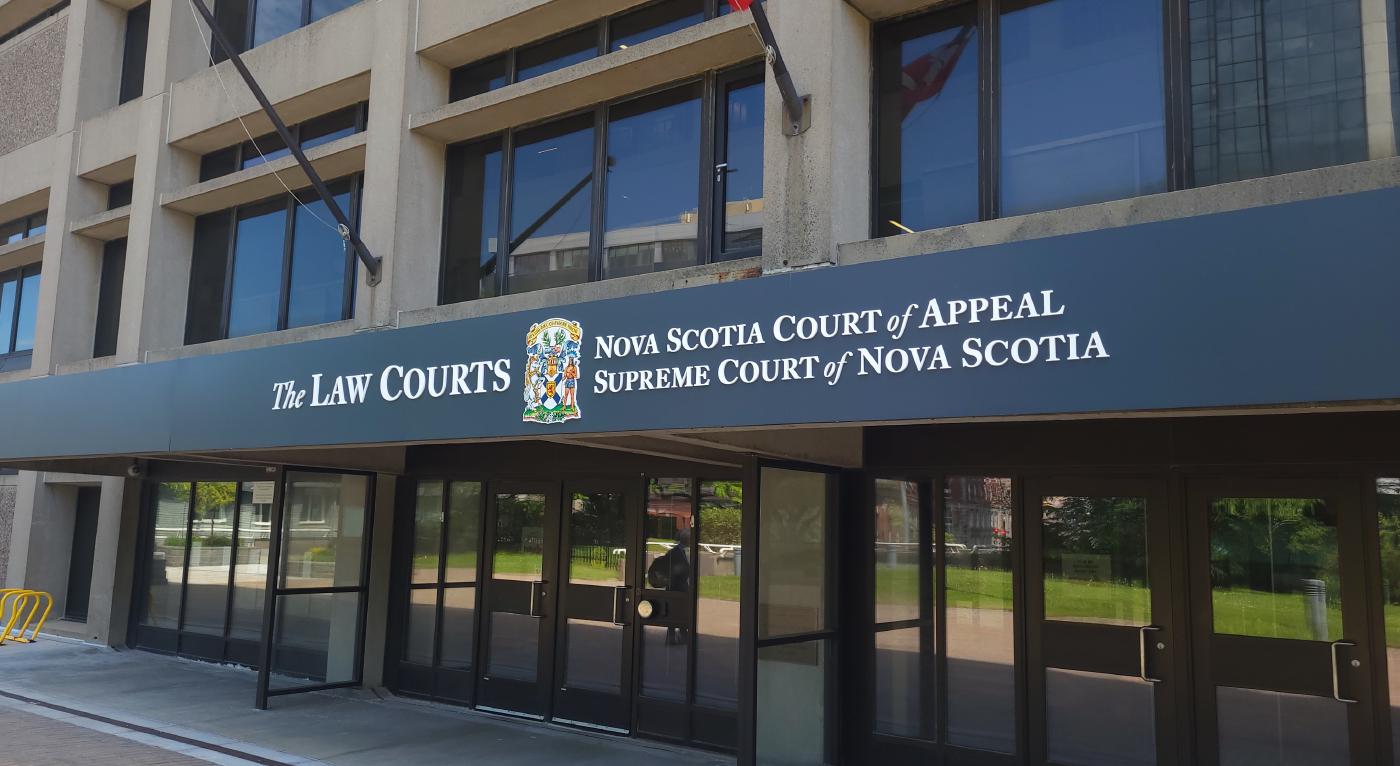
The fate of Dartmouth Cove currently hinges on the results of a judicial review between Halifax Regional Municipality (HRM) and the province.
The judicial review concerns HRM’s bylaw to restrict infill projects in Dartmouth Cove. The province has granted conditional approval for the bylaw, but it is unclear if the city has met the requirements.
A second case regarding the infill bylaws between the property owner and HRM has been added to the agenda for September 28, the review’s next court date. Part of the reason for this adjustment is that the infill bylaws are heavily involved in both cases.
The property owner is 4197847 Nova Scotia Ltd., a company associated with Atlantic Road Construction and Paving (ARCP), here referred to as ARCP. This company owns a piece of property in Dartmouth Cove and has been planning an infill project there for a few years.
ARCP requested to be added to the judicial review between HRM and the province because of its interest in the outcome of the case. This request saw court on May 26, but the judge has not yet made a decision regarding ARCP’s request to join that case.
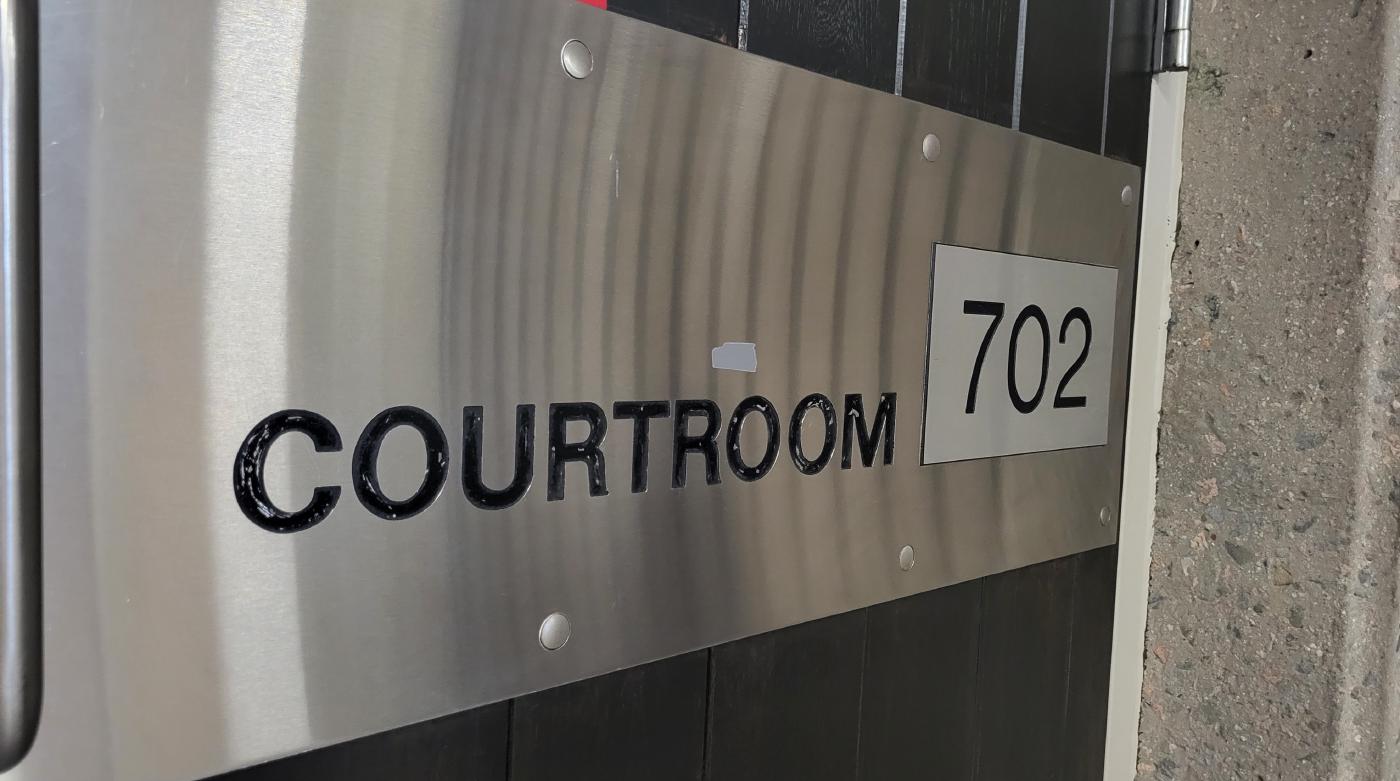
On June 11, legal representatives for ARCP and HRM met before a judge to discuss ARCP’s lawsuit against HRM. The proceeding was scheduled as a motion for direction, which generally allows parties to ask for instructions or clarity about the next steps in case.
However, in this case both parties agreed to adjourn the meeting without much discussion due to the ongoing judicial review about the infill bylaw.
In the judicial review, HRM is looking for a clear approval or refusal of the infill bylaw from the province. On June 11, both groups agreed that the standing of the bylaw needed to be clear before proceeding with the case between ARCP and HRM. If the review results in a denial of the bylaw, then the case between ARCP and HRM would no longer be necessary.
Since both the review and the case between ARCP and HRM involve the same parties and concern the infill bylaw, they agreed to adjourn and to add the discussion around this case to the next court date for the judicial review.
As such, both cases will see court on September 28.
As previously reported by the Post, there are three ongoing provincial legal battles surrounding the infill project. The third lawsuit between ARCP and the Department of Fisheries and Oceans (DFO) minister and local MP Darren Fisher, remains without a date.
ARCP has also filed a judicial review against DFO at the federal level.
Uncertain future for infill project and construction disposal
Given the legal delays to the infill project, ARCP’s lot will remain untouched for at least another construction season.
Yet — disposing of pyritic slate as the result of construction projects is an ongoing problem in Halifax.
Bruce Wood, CFO for ARCP, said that there are few places to dispose of pyritic slate in the city. There is a terminal in the south end of Halifax, but Wood said it cannot handle the volume of slate with planned construction projects in the city.
“If we don’t have a plan to remove [the slate], then it can’t be excavated,” said Wood.
“There is a land disposition site, but it’s significantly more expensive to use, to the tune of two to three times more expensive,” said Wood. “That would just make projects either more expensive or again, would prevent them from going ahead.”
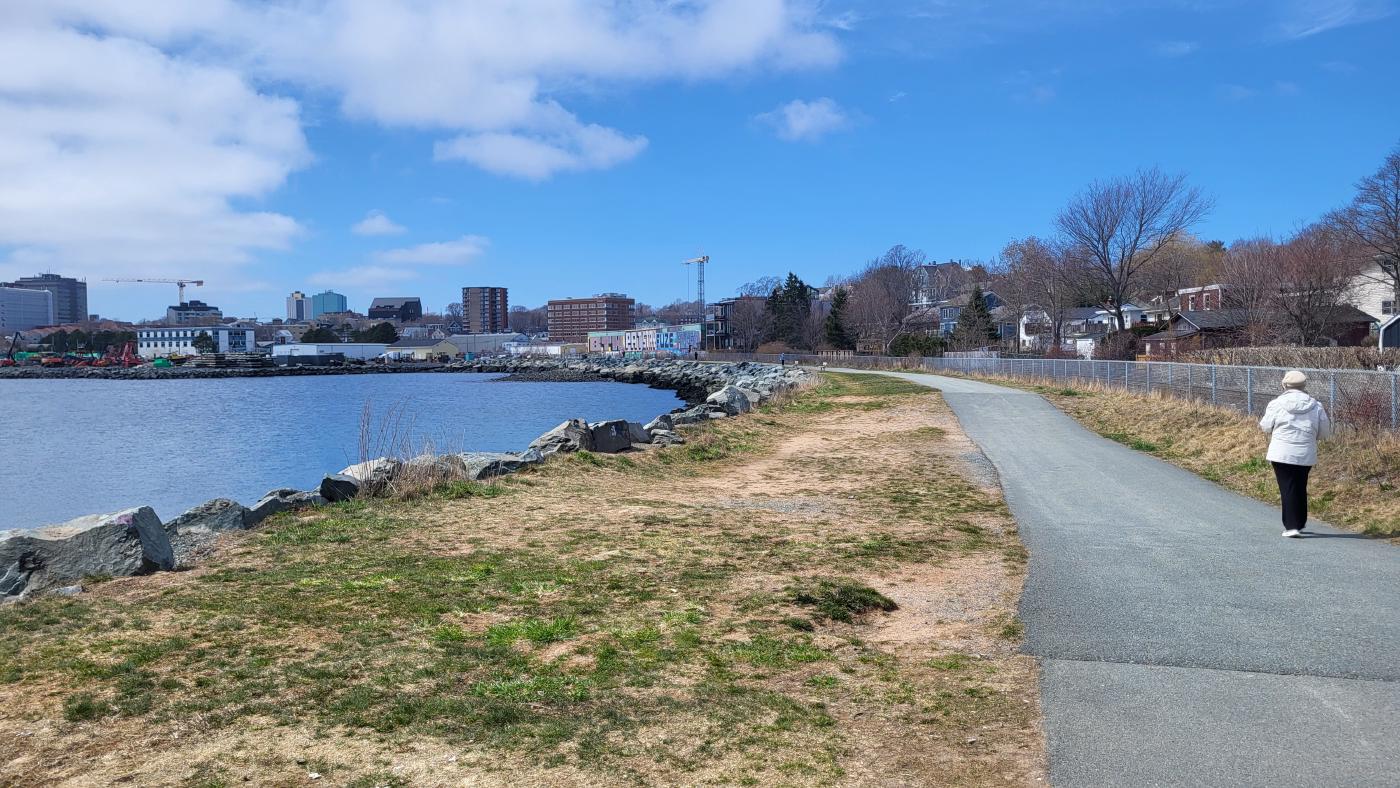
Part of the company’s reason for purchasing the property is to have another place to dispose of the pyritic slate.
In the affidavit of Bruce Wood, sworn May 5, 2026, it says the infill project is for both development and “as a solution for the need for safe disposal of pyritic slate.”
Wood told the Post that their proposed infill project for the Dartmouth Cove property would take six to eight months of busy construction to fill it in.
“Given our average construction season for us, … it would only last about a season, maybe a season and a half,” Wood said.
Wood’s affidavit also says that the lot was purchased for development, and specifically for the development of a multi-use residential complex.
When asked if they would change anything about the trajectory leading up to the lengthy court process, Wood said, “We followed the process that they asked us to, the same as every other applicant before us had. … We don’t get to determine what the process is.”
Updated June 13, 2026 to add the federal court review and for clarity.