
What’s the status of Dartmouth Cove?
City on the hook to receive full approval from province for bylaw, company continues plans for infilling project
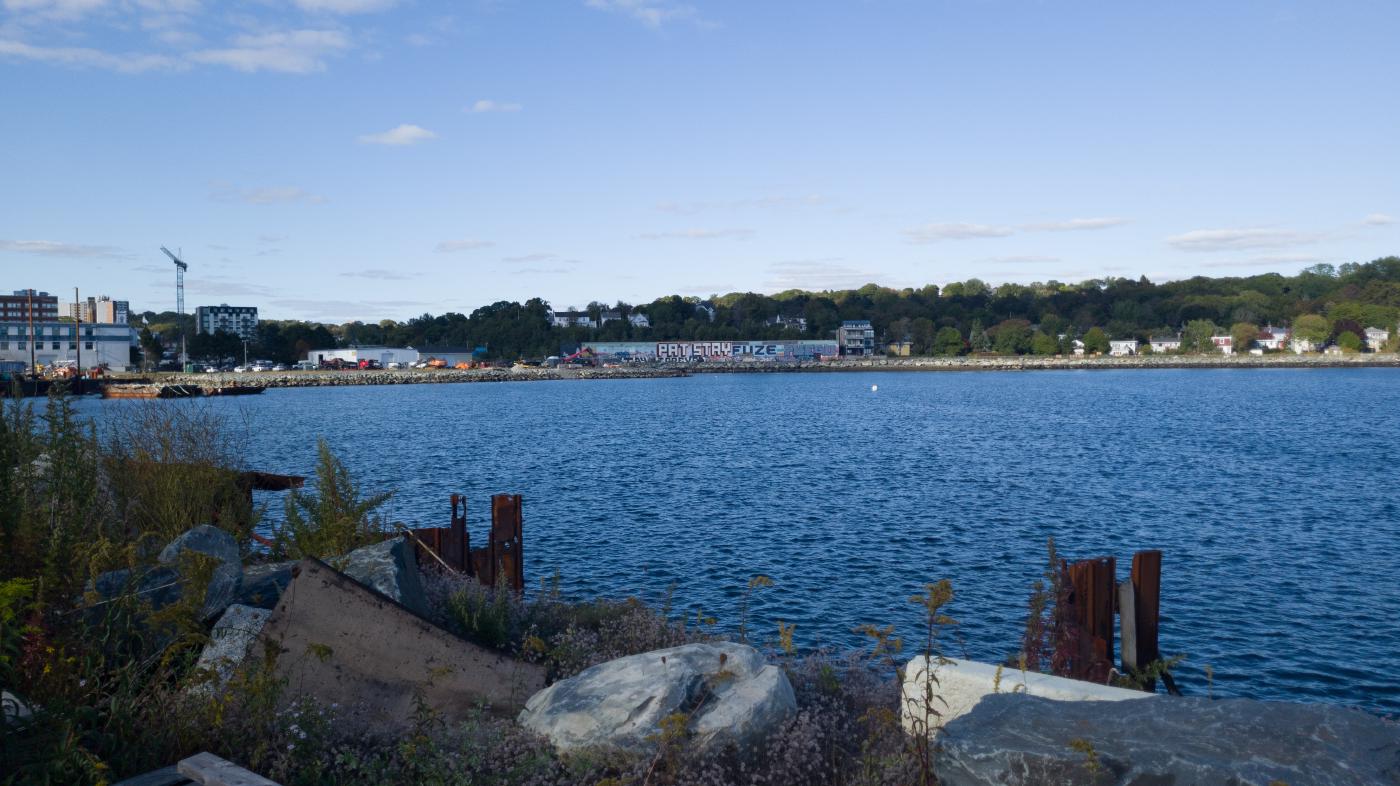
Dartmouth Cove has received much attention over the last few months, with Halifax Regional Council voting in favour of a bylaw to restrict infilling, followed by a tentative approval from the province.
Over 30 people of all ages spoke at a public hearing about the bylaw, most in favour of protecting the cove. Speakers offered personal and environmental reasons for creating the bylaw and spoke about using the cove trail for recreation, transportation, and mental health.
Councillor Sam Austin had put forward the motion to create the bylaw and said there needs to be a shared community vision for Dartmouth Cove before any development takes place as part of the Downtown Dartmouth Waterfront Revitalization Project.
The council voted 12-3 in favour of the bylaw on October 7.
Similar to the Northwest Arm infilling bylaw, this bylaw required provincial approval before becoming enforceable. Municipal Affairs Minister John A. MacDonald approved the bylaw with amendments on November 26.
To ensure a favourable decision from the province, community members held protests and sent letters to provincial representatives.
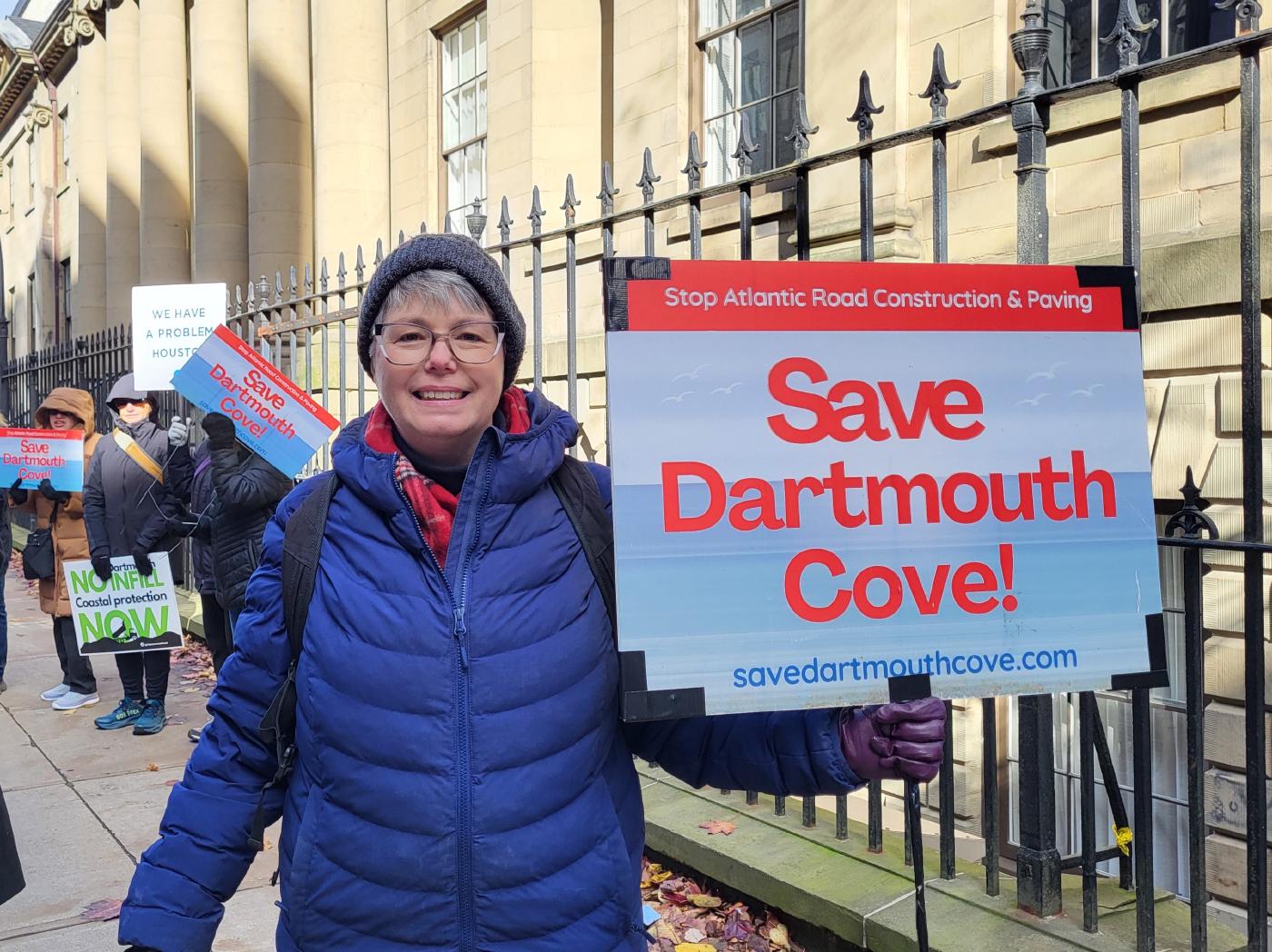
One protest, held outside Province House in Halifax midday on November 12, saw more than 50 people chanting “Houston, we have a problem!” and “No more fill!”
Jill Brogan, co-founder of the Friends of Dartmouth Cove and protest organizer told the Post, “It’s a symbolic, ‘Hey, listen to the people!’”
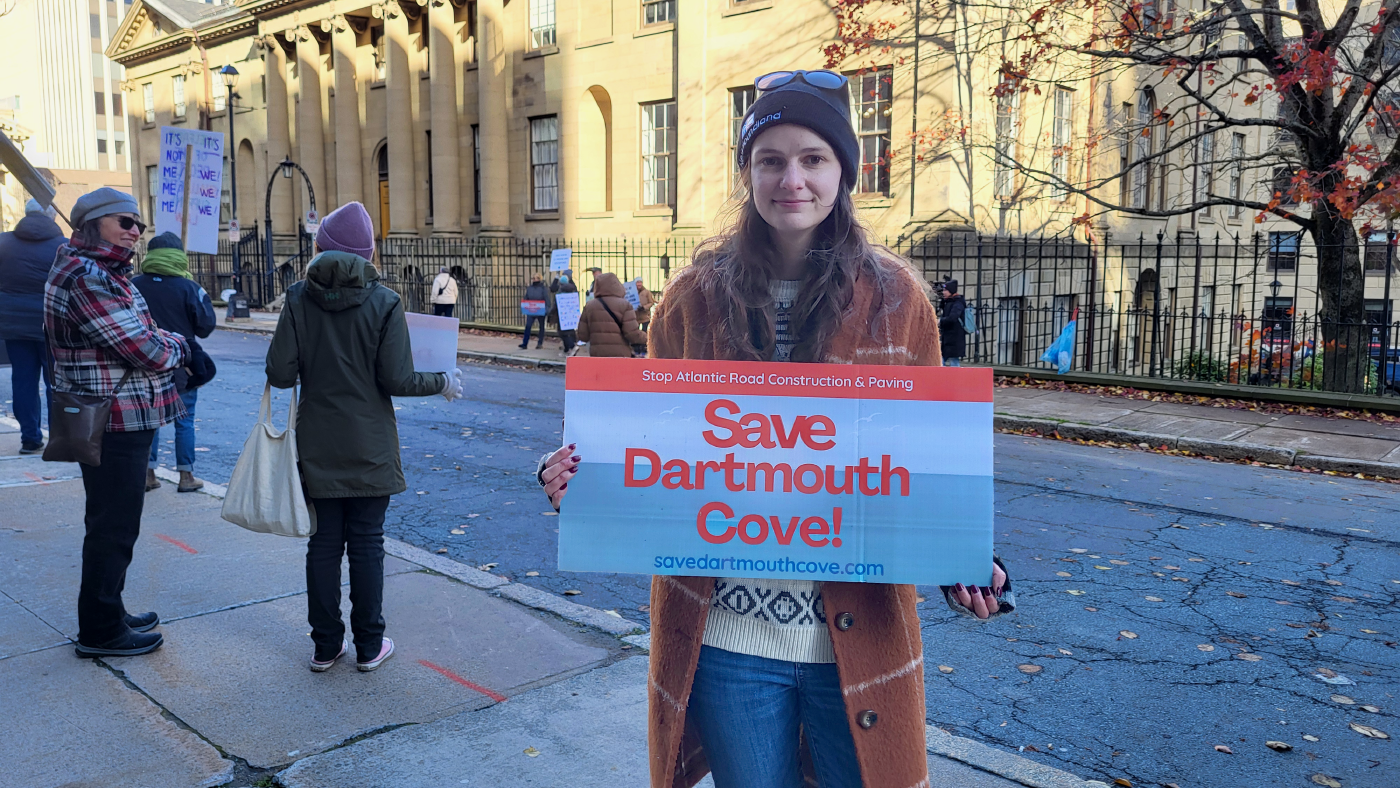
People met again a week later outside the Alderney Public Library in support of the bylaw. Over 80 people were in attendance.
To satisfy the amendments required by the province and receive full approval, the city must now demonstrate that the areas specified in the bylaw are within the municipal boundaries of HRM and that HRM has the authority to regulate infilling. The city must also confirm with the federal Department of Justice that the bylaw does not infringe on federal jurisdiction.
In other words: the city has to show that they have the jurisdiction to enforce the bylaw and regulate infilling in the Dartmouth Cove area.
On the other side of this issue, Bruce Wood, CFO at Atlantic Road Construction and Paving (ARCP), told the Post the company intends to move forward to get the required permissions to infill its property along Dartmouth Cove.
The group received an amended approval for the project from Transport Canada on October 23. As of November 26, Wood said the company is waiting for permit from the Department of Fisheries and Oceans (DFO).
Wood said challenging the city’s bylaw would add one more step to the process.
“From our perspective, regardless, the bylaw doesn’t have the ability to be legally enforceable,” said Wood.
Wood has said previously that the company likes being good neighbours, which he explained means that they try to be considerate of the communities where they work.
“We’re going to keep the path open to the best of our ability so as long as everyone can remain safe,” said Wood.
Wood said development in Dartmouth Cove has the potential to draw in more people to spend time there, similar to how development has increased foot traffic along the Halifax waterfront. He also emphasized that this proposal is just for infilling and dumping, and development would come later.
Protesters to the infilling have raised many environmental concerns about the project, but representatives from ARCP have argued that their plan is environmentally beneficial for Dartmouth Cove. Wood said their offsetting plan includes a fish habitat to aid migratory fish moving between the river and the ocean.
“I understand that there are some people who are attached the way it is now,” said Wood. “I don’t think I’m ever going to convince people to trust us with words but hopefully down the road they’ll see what comes of it and they’ll realize that our intentions were in fact good.”
There are options for Dartmouth Cove beyond keeping it the same or developing the area. Jess Lewis, from Nature Nova Scotia, said the space could remediated into a better habitat for birds and other wildlife.
Lewis attended the November 12 protest to represent her work. Lewis runs a project that monitors birds in the ocean, including at Dartmouth Cove. Over the past year, her team of volunteers has counted over 300 birds from around 30 species in the cove.
Lewis said these numbers indicate that Dartmouth Cove is an important area for birds, despite being an industrial area.
“It’s a good example of a place that kind of has the potential to be a remediation area,” Lewis told the Post.
Lewis’s project keeps track of birds coming to the area and sends the information to Canadian Wildlife Services and the Coast Guard to help protect birds against oil spills and pollution in accordance with the Migratory Birds Convention Act.
“Ironic that I’m monitoring for pollution and there’s going to be a bunch of pollution dumped into the cove. Well, hopefully not,” said Lewis.
On December 2, the city sent a letter to the province to address the requirements for provincial approval to the bylaw. At the time of writing, a response to that letter has not been made public. The issue of Dartmouth Cove is not settled yet.